Kayaks
Kayaks, Starting with the Hull
Every kayak buying guide leads with brands. The shape of the hull under the boat decides far more about how it behaves, and almost nobody explains it to the person actually buying their first one.

A kayak is a shape. Everything you will feel on the water — whether it wanders, whether it feels tippy, how fast it goes, how hard it is to turn — comes out of that shape, and the shape is described by four numbers and one word, all of which are on the listing.
The four numbers are length, width, hull weight and rated capacity. The word is the hull type. Brand comes a long way behind all five, which is the opposite of how this category is usually written about.
Length: how far it goes and how it turns
Waterline length is the single biggest determinant of speed and of whether a boat holds a straight line. A short boat turns easily and wanders; a long boat tracks straight and needs room to come about. Neither is better in the abstract and the right answer depends entirely on the water you paddle.
| Length | Where it works | How it behaves | Who it is for |
|---|---|---|---|
| Under 10 ft | Ponds, small lakes, tight creeks | Turns easily, slow, wanders on open water | Kids, small ponds, tiny storage |
| 10 to 11 ft | Lakes, slow rivers, first boat | The recreational default. Easy to turn, easy to carry, easy to store | Almost every first-time buyer |
| 11 to 12 ft | Bigger lakes, light touring | Noticeably faster, still turns, heavier to lift | A first boat you expect to keep |
| 12 to 14 ft | Open water, day trips with gear | Fast and tracks straight, needs a rack and two people to load | Second boat, not a first one |
| Over 14 ft | Sea kayaking, multi-day touring | Fast, gear-hungry, unforgiving of a beginner's edge control | Not a first boat |
Width: stability, and what it costs
Width is stability. A 30 inch boat feels settled the moment you sit down; a 24 inch boat does not, until you have built the balance for it. Recreational kayaks run 26 to 32 inches, touring kayaks 22 to 25, and performance boats 19 to 22 — those bands come from paddle manufacturers who have to size a paddle to whatever you bought.
For a first boat, 29 to 31 inches is right. Under 28 inches is a boat that will feel nervous on day one and rewarding in year two, and starting there is how people decide the sport is not for them.
Capacity: the number everyone misreads
Every listing publishes a maximum weight capacity, and it is a flotation figure rather than a performance one. Eddyline, a kayak manufacturer, publishes the distinction directly: the maximum rating is what the hull can hold and stay afloat, while the ideal capacity stops at about 60 to 70 percent of it.
| Rated capacity | Usable (60-70%) | Usable at 65% | Left for the paddler |
|---|---|---|---|
| 250 lb | 150-175 lb | 163 lb | 143 lb |
| 275 lb | 165-193 lb | 179 lb | 159 lb |
| 300 lb | 180-210 lb | 195 lb | 175 lb |
| 325 lb | 195-227 lb | 211 lb | 191 lb |
| 350 lb | 210-245 lb | 228 lb | 208 lb |
| 400 lb | 240-280 lb | 260 lb | 240 lb |
| 450 lb | 270-315 lb | 293 lb | 273 lb |
| 500 lb | 300-350 lb | 325 lb | 305 lb |
Hull weight: the spec that decides how often you go
This is the one people research least and regret most. A 36 lb boat is one adult, one trip, no planning. A 52 lb boat is a two-person lift onto a roof, or a cart, or a shorter walk. A 78 lb tandem is a permanent two-person job.
Carry weight compounds with carry distance, and the product of the two is what decides whether a boat gets used twenty times a summer or four. It belongs in the buying decision alongside the price, and it usually is not.
The word: hull type
Flat, shallow-V, rounded, pontoon — these describe the cross-section of the boat under the water, and they are why two boats with identical length, width and capacity can feel completely different. This is the site's founding subject and it has its own page, written for someone who has never heard the words before.
Start here
- **Understand the shapes first.** Hull types, in plain language — the page this site was built around.
- **Sit-on-top or sit-inside?** The comparison. It is a season and a water-temperature decision more than a preference one.
- **Does that boat fit you?** The capacity calculator runs the 65 percent arithmetic on any rating you type in.
- **How does it get to the water?** Without a roof rack, which is the constraint most people discover after buying.
We have not paddled these boats
Worth saying at the top of a section that recommends things. Several sites in this category genuinely have tested the boats they write about, and we have not. Rather than imply otherwise, we compile the published specifications, run the arithmetic, and show every step.
That is a smaller claim than a test fleet, and it is one you can check line by line. Here is the full methodology, including what we would have to change before saying anything stronger.
Every page in this section
Best First Kayak
The Best Kayaks for Beginners
Beginner kayaks ranked on width, carry weight and usable capacity — with the 65 percent arithmetic run on every one.
Top pick
Perception Tribe 11.5 Sit-on-Top Kayak
The all-round first sit-on-top
#ad · how this is funded · price as of October 18, 2026

Best Budget Kayak
The Best Budget Kayaks
Budget kayaks with the specific compromise each one makes, named. Capacity is usually the one that catches people.
Top pick
Intex Explorer K2 Inflatable Kayak, 2-person (oars and pump included)
Two people, no roof rack, small budget
#ad · how this is funded · price as of October 18, 2026
What Size Kayak Do I Need?
Capacity, length and width worked out properly — including the 65 percent rule that changes which boats you should be looking at.
Top pick
Perception Tribe 11.5 Sit-on-Top Kayak
The all-round first sit-on-top
#ad · how this is funded · price as of October 18, 2026
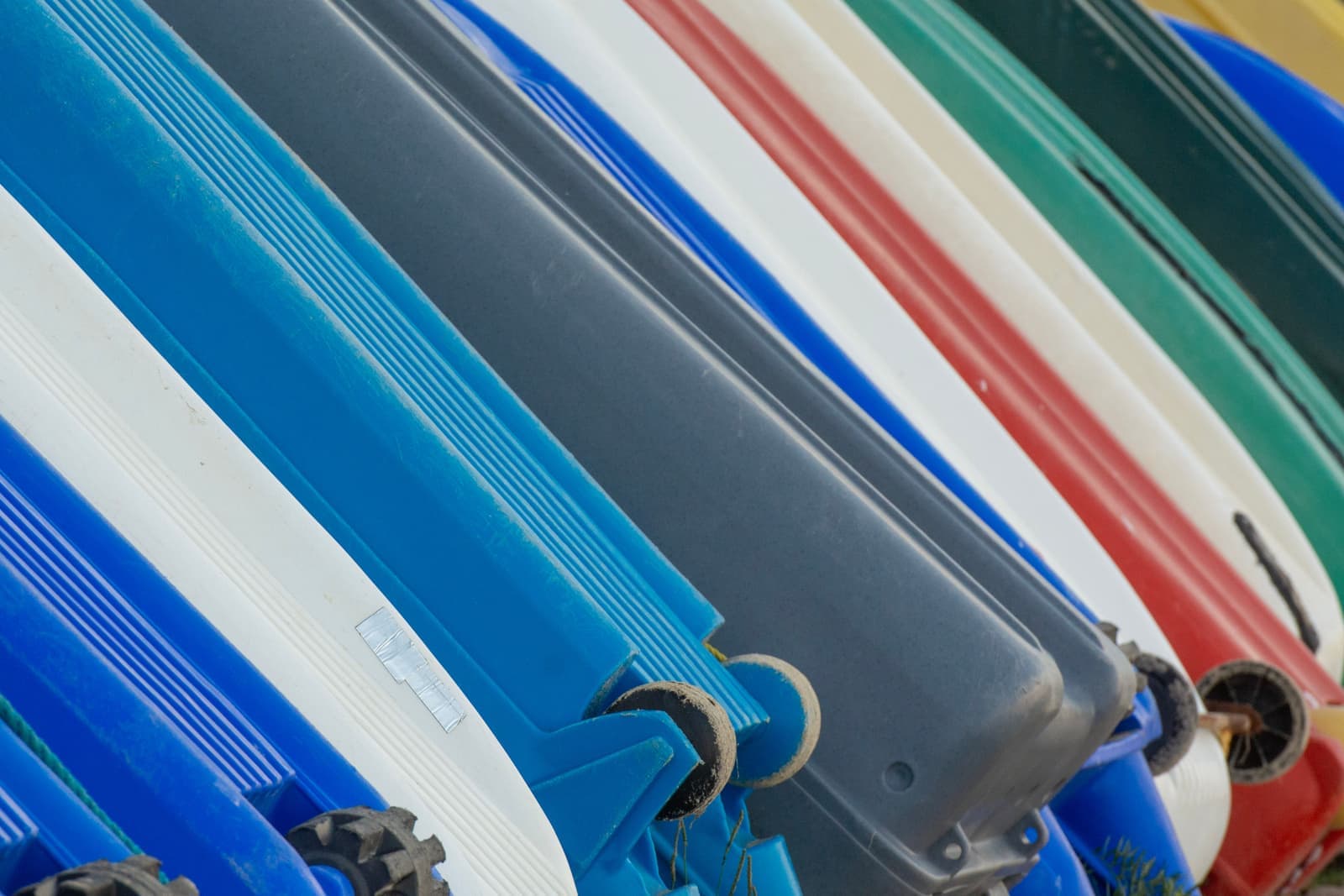
Kayak Hull Types: What Each Shape Does on the Water
Flat, shallow-V, rounded and pontoon hulls — what each shape actually does, and which one belongs under a beginner.
Top pick
Perception Tribe 11.5 Sit-on-Top Kayak
The all-round first sit-on-top
#ad · how this is funded · price as of October 18, 2026

Sit-On-Top vs Sit-In Kayak
Water temperature and remounting decide this, not preference. The honest comparison, with picks for each.
Top pick
Perception Tribe 11.5 Sit-on-Top Kayak
The all-round first sit-on-top
#ad · how this is funded · price as of October 18, 2026

Best for Lakes
The Best Kayaks for Lakes
Lake paddling rewards waterline length. The boats that hold a line when the wind gets up, with the numbers.
Top pick
Perception Tribe 11.5 Sit-on-Top Kayak
The all-round first sit-on-top
#ad · how this is funded · price as of October 18, 2026
Best for Rivers
The Best Kayaks for Slow Rivers
Slow rivers want a shorter hull than a lake does. The picks, plus a clear line about what this page does not cover.
Top pick
Perception Flash 9.5 Sit-Inside Kayak
The most capacity in the shortest hull
#ad · how this is funded · price as of October 18, 2026
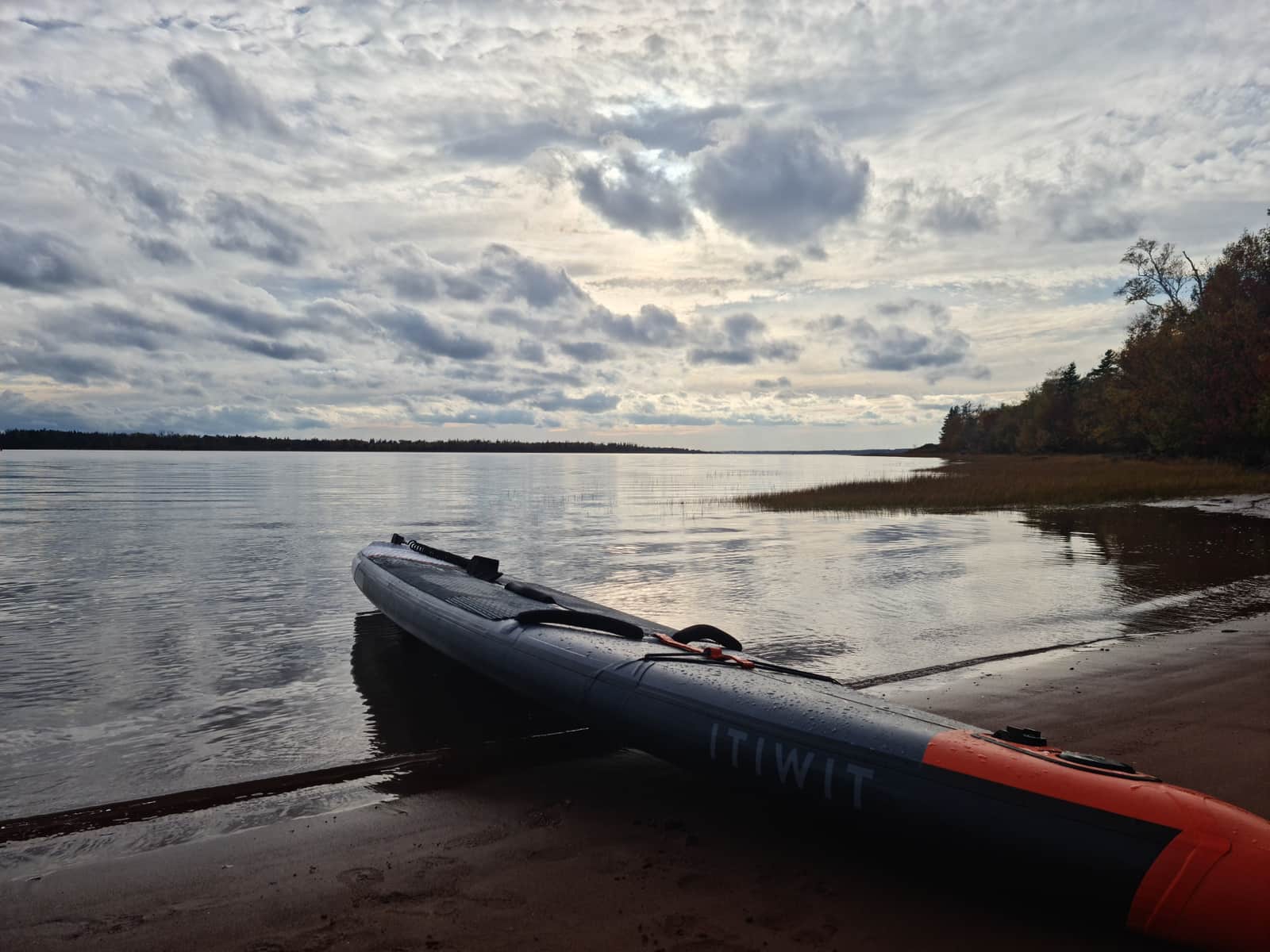
Best Inflatable Kayak
The Best Inflatable Kayaks
Inflatable kayaks ranked on capacity and hull stiffness — including the 220 lb rating that rules out most adults.
Top pick
Intex Explorer K2 Inflatable Kayak, 2-person (oars and pump included)
Two people, no roof rack, small budget
#ad · how this is funded · price as of October 18, 2026
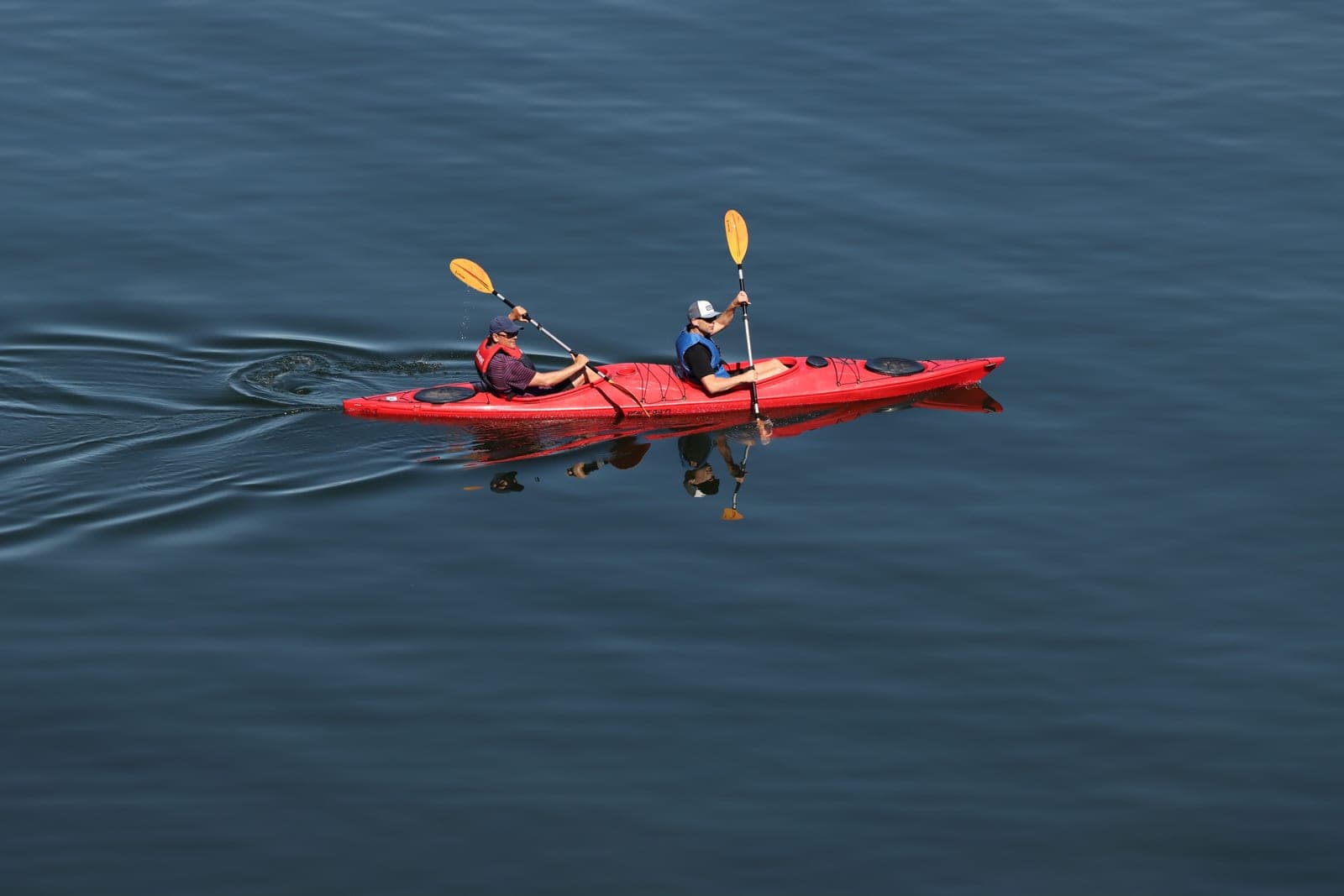
Best Tandem
The Best Tandem Kayaks
Tandem kayaks with the usable-capacity arithmetic done — a 500 lb tandem covers less than most buyers assume.
Top pick
Perception Rambler 13.5 Tandem Sit-on-Top Kayak
Two adults plus a child or a dog
#ad · how this is funded · price as of October 18, 2026
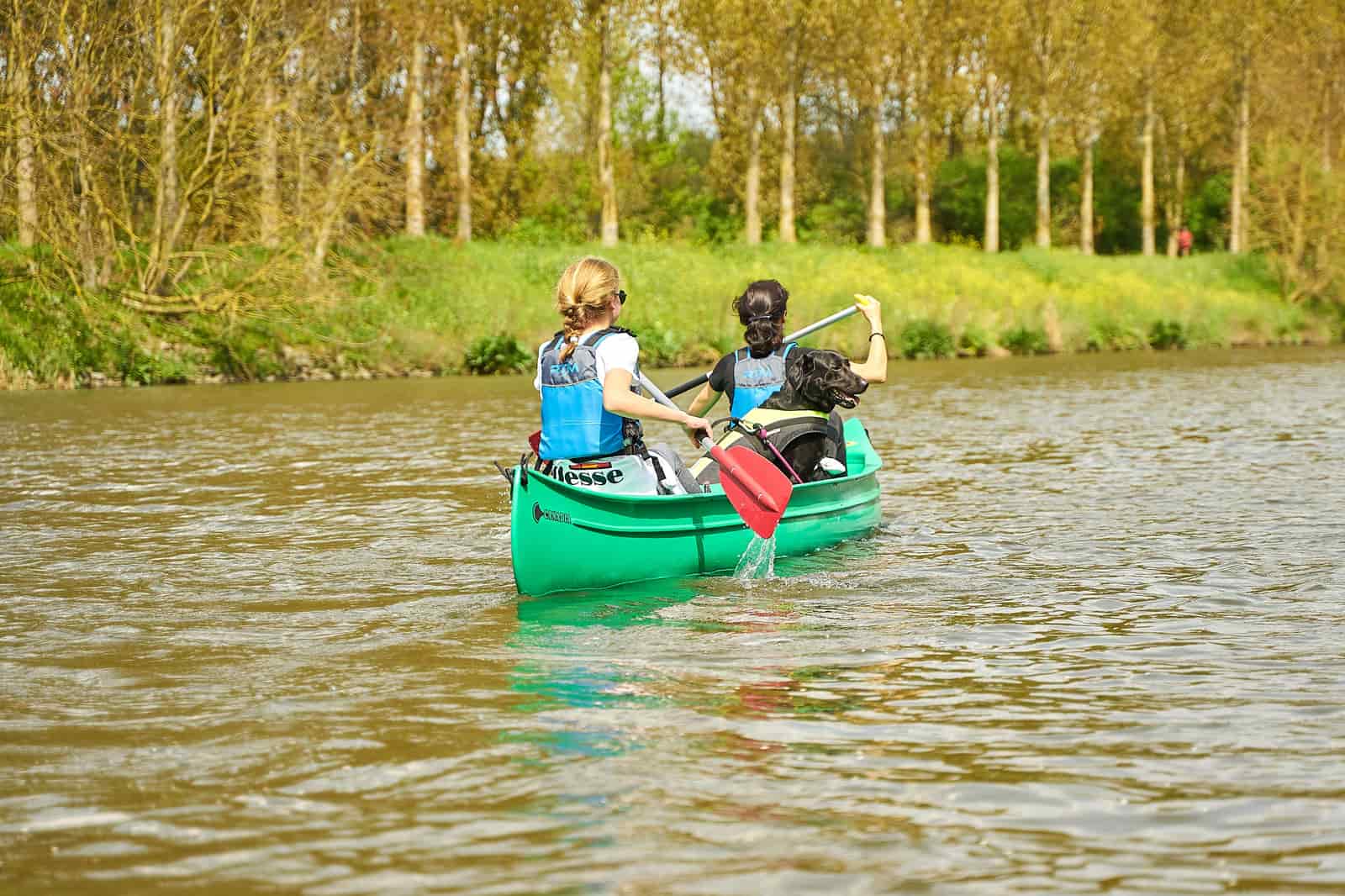
Best with a Dog
The Best Kayaks for Dogs
Deck space, grip and capacity headroom — the three things a dog needs from a kayak, and the boats that have them.
Top pick
Perception Rambler 13.5 Tandem Sit-on-Top Kayak
Two adults plus a child or a dog
#ad · how this is funded · price as of October 18, 2026
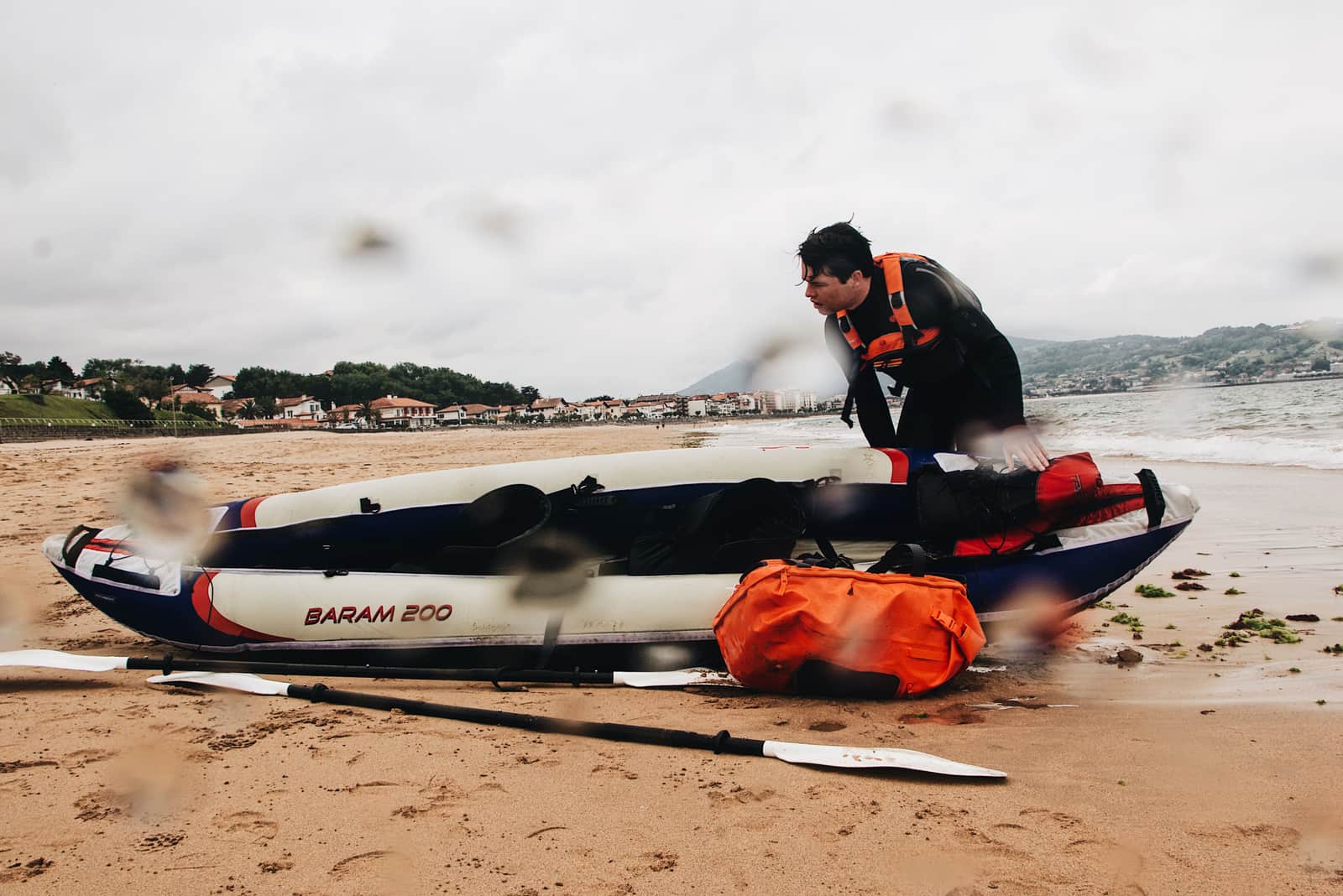
Kayak Weight Capacity, Explained
The 65 percent rule, where it comes from, what happens when you ignore it, and how to size around it.
Top pick
Perception Tribe 11.5 Sit-on-Top Kayak
The all-round first sit-on-top
#ad · how this is funded · price as of October 18, 2026
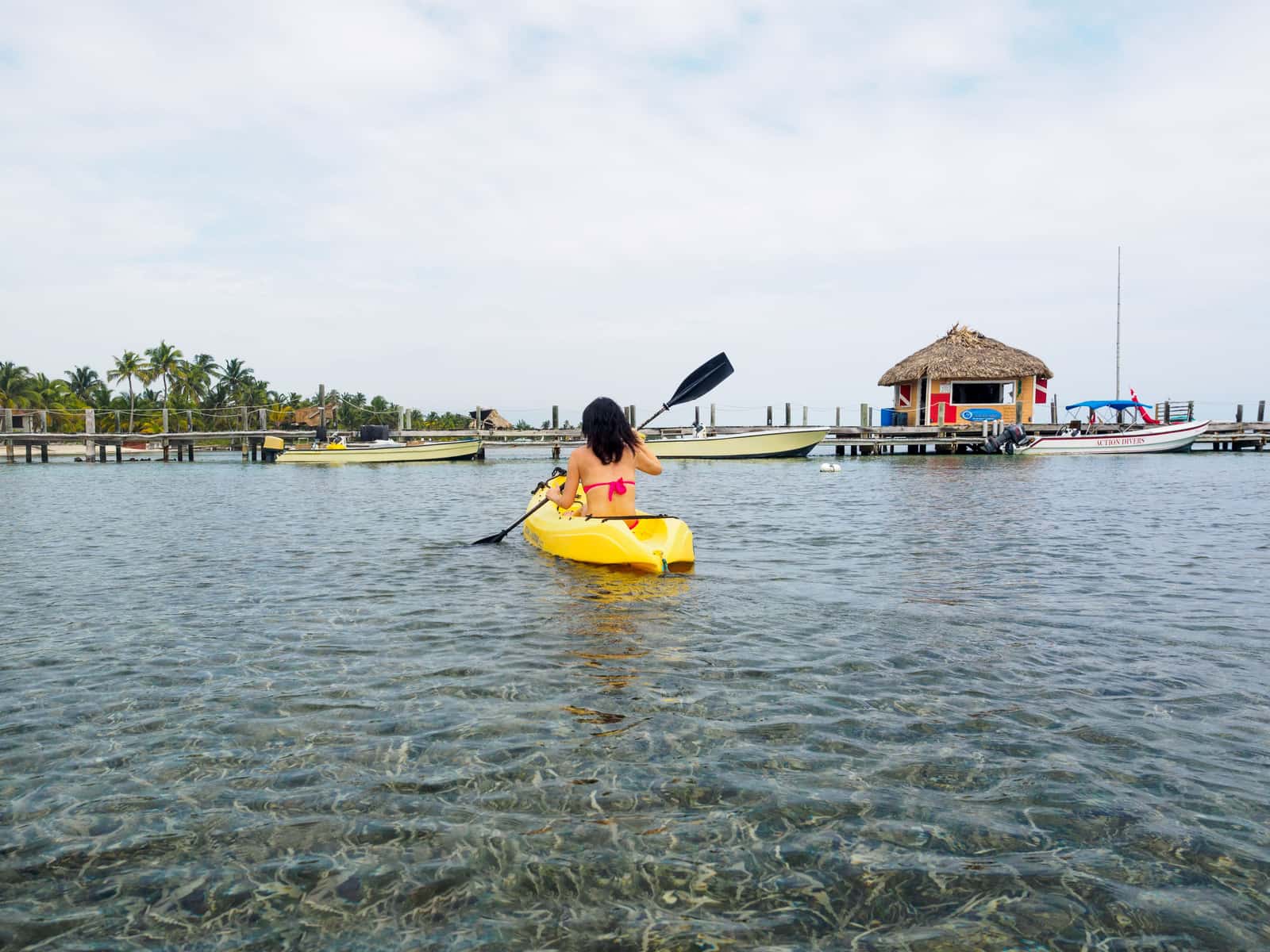
Best for Larger Paddlers
The Best Kayaks for Bigger Paddlers
Kayaks with real capacity headroom for paddlers over 220 lb — the arithmetic done properly, not the rated number.
Top pick
Perception Rambler 13.5 Tandem Sit-on-Top Kayak
Two adults plus a child or a dog
#ad · how this is funded · price as of October 18, 2026
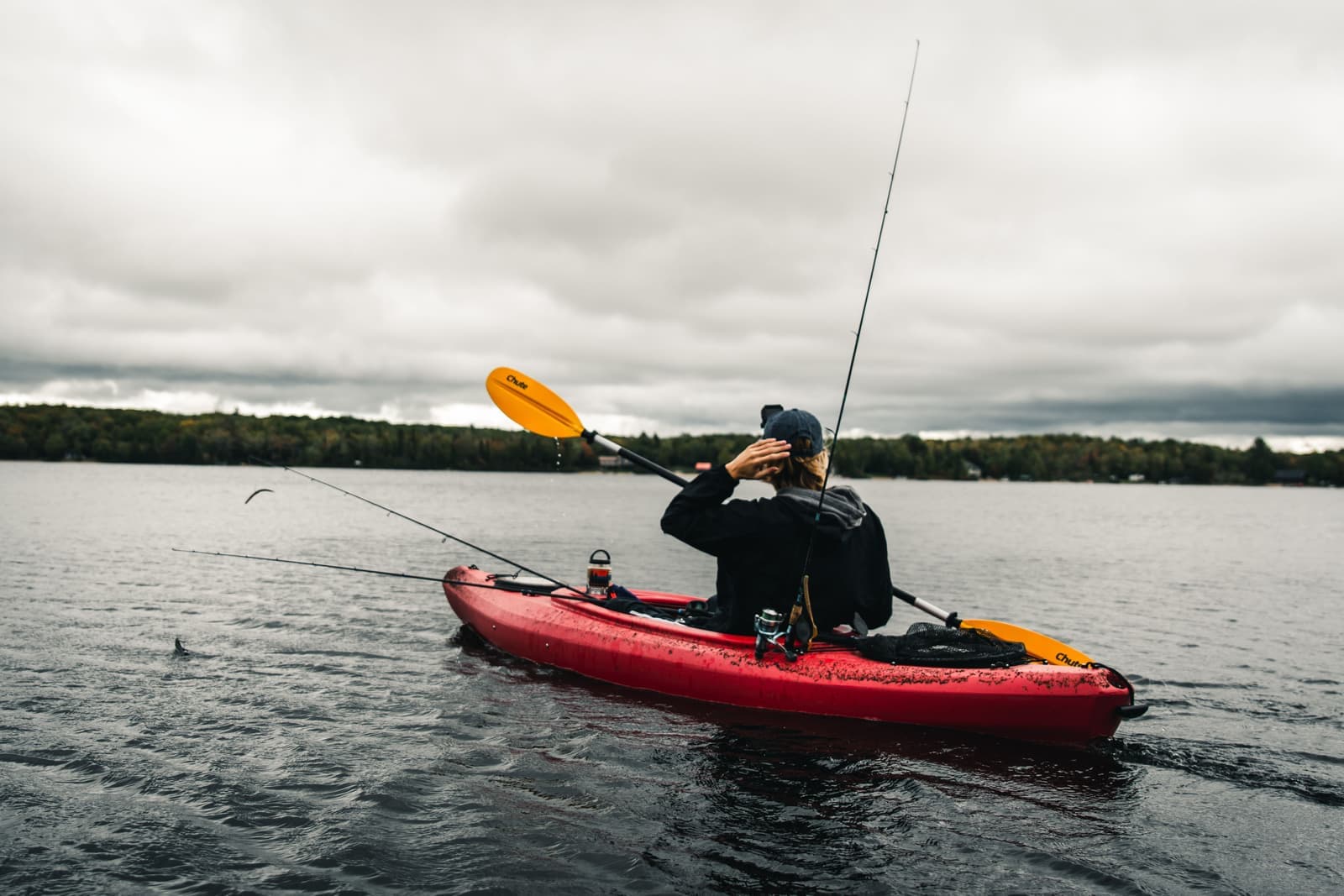
Best Fishing Kayak
The Best Kayaks for Fishing
Tackle is heavier than anyone plans for. The capacity, beam and deck specs that actually decide a first fishing kayak — and why the angler badge is not one of them.
Top pick
Perception Tribe 11.5 Sit-on-Top Kayak
The all-round first sit-on-top
#ad · how this is funded · price as of October 18, 2026
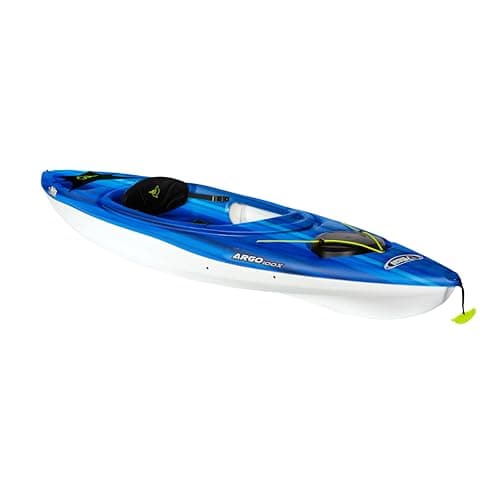
Pelican Argo 100X: The Lightest Way Into a Sit-Inside
36 lb makes it the only 10-footer one adult carries easily. The 275 lb rating is the catch, and it is a real one.
Top pick
Pelican Argo 100X Sit-In Kayak, 10 ft
The lightest sit-inside to carry alone
#ad · how this is funded · price as of October 18, 2026
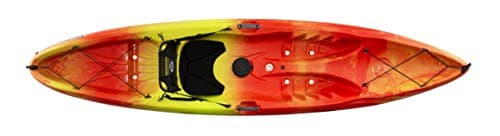
Perception Tribe 11.5: More Capacity Than It Looks
350 lb rated, 30.25 in wide, 11 ft 5 in long — the most usable capacity of any solo boat here, at 52 lb.
Top pick
Perception Tribe 11.5 Sit-on-Top Kayak
The all-round first sit-on-top
#ad · how this is funded · price as of October 18, 2026
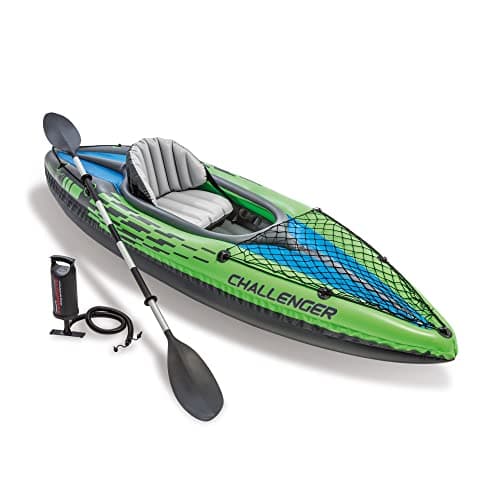
Intex Challenger K1: The Capacity Is the Catch
26 lb in a bag solves storage entirely. 220 lb rated is about 123 lb of paddler, which rules out most adults.
Top pick
Intex Challenger K1 Inflatable Kayak (paddle and pump included)
No car rack, no garage, no storage
#ad · how this is funded · price as of October 18, 2026
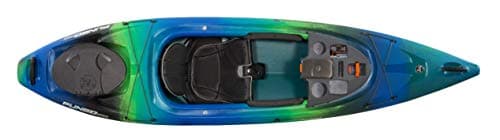
Wilderness Systems Pungo 105: What the Specs Say
126 in of waterline, a 30 in beam, 47 lb and 300 lb rated — the numbers behind the boat people keep after their first season.
Top pick
Wilderness Systems Pungo 105 Recreational Kayak, 10 ft 6 in
The boat you keep after your first season
#ad · how this is funded · price as of October 18, 2026
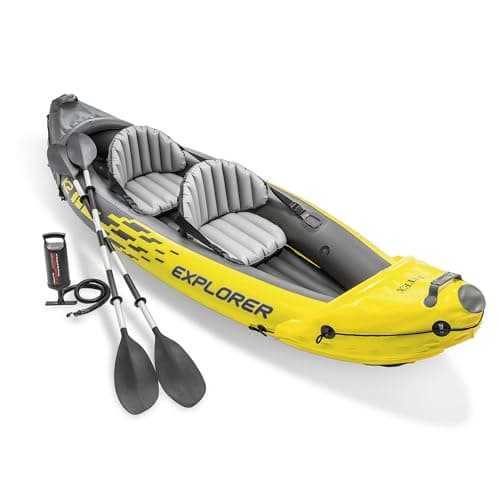
Intex Explorer K2: What the Specs Say
400 lb rated, 36 in wide, 35 lb in a bag — and a much better solo kayak than the two-person boat it is marketed as.
Top pick
Intex Explorer K2 Inflatable Kayak, 2-person (oars and pump included)
Two people, no roof rack, small budget
#ad · how this is funded · price as of October 18, 2026

Best for Camping
The Best Kayaks for Camping
A camping load is 40 to 70 lb on top of your own weight. Which published capacities genuinely cover it, and where the gear actually goes.
Top pick
Perception Rambler 13.5 Tandem Sit-on-Top Kayak
Two adults plus a child or a dog
#ad · how this is funded · price as of October 18, 2026

Best for Seniors
The Best Kayaks for Seniors
Cockpit size, hull weight and remount ease are the specs that matter for an older paddler. Which boats publish good numbers on all three.
Top pick
Old Town Vapor 10 Solo Sit-Inside Kayak, 10 ft
A first boat with a large, easy-entry cockpit
#ad · how this is funded · price as of October 18, 2026

Best Kids' Kayak
The Best Kayaks for Kids
Hull weight decides whether it is their boat. Rated capacity decides how long it lasts. Both are on the listing — here is how to read them for a child.
Top pick
Lifetime Youth Wave Kayak, 6 ft (paddle included)
A first boat for a child aged five and up
#ad · how this is funded · price as of October 18, 2026
Are Inflatable Kayaks Worth It?
Worth it if storage or a roof rack is your problem. Not worth it if performance is. How to tell which buyer you are from the published capacity and your own garage.
Top pick
Intex Explorer K2 Inflatable Kayak, 2-person (oars and pump included)
Two people, no roof rack, small budget
#ad · how this is funded · price as of October 18, 2026
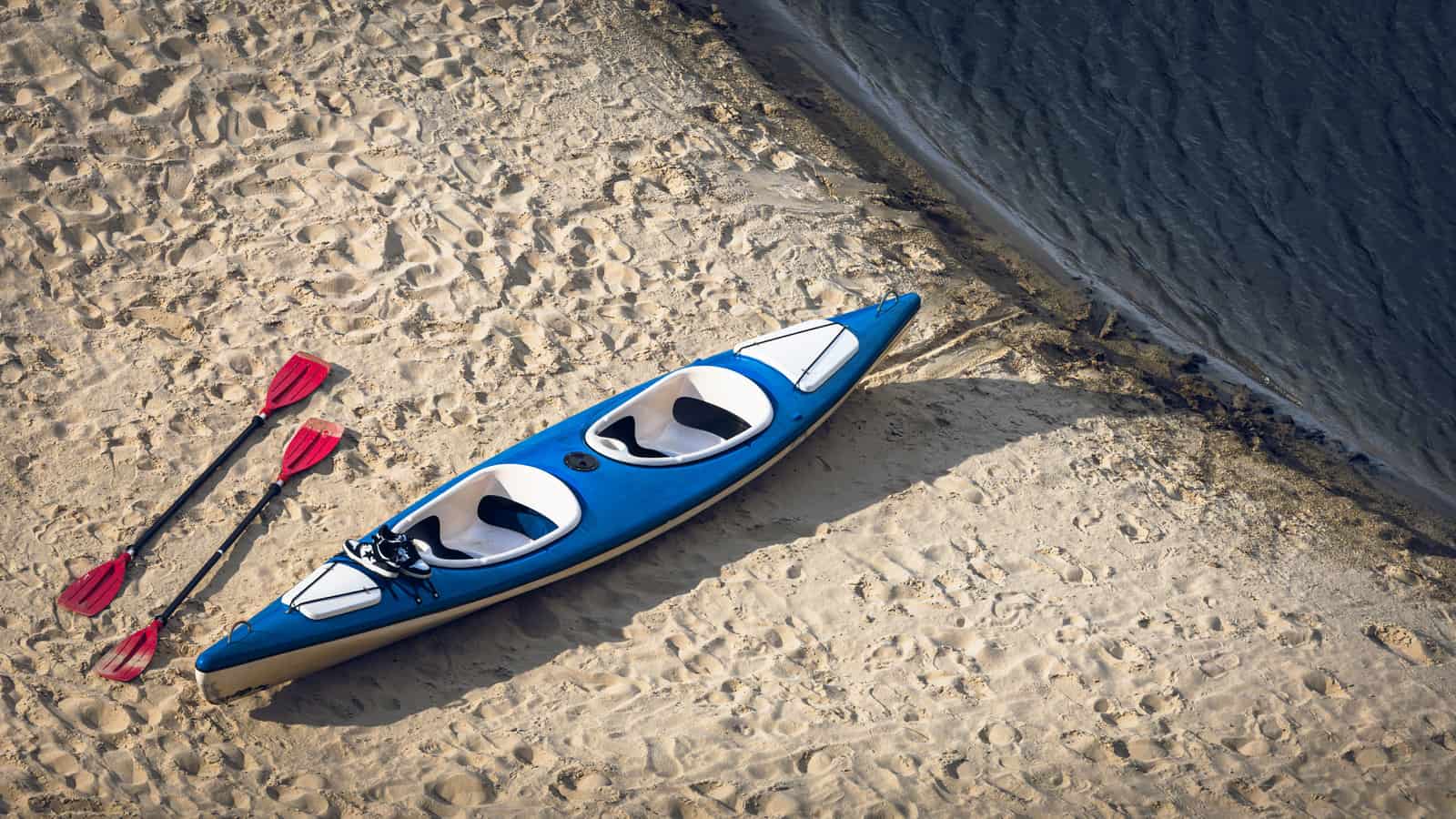
Pelican vs Lifetime Kayaks
The two big-box kayak brands, hull against hull on published weight, beam and capacity. Which wins for a light paddler, a heavy one, and someone who lifts alone.
Top pick
Pelican Argo 100X Sit-In Kayak, 10 ft
The lightest sit-inside to carry alone
#ad · how this is funded · price as of October 18, 2026
Lightest to Carry
The Best Lightweight Kayaks
Ranked on published hull weight, because the carry is what decides whether a kayak leaves the garage. What each pound saved costs in capacity.
Top pick
Pelican Argo 100X Sit-In Kayak, 10 ft
The lightest sit-inside to carry alone
#ad · how this is funded · price as of October 18, 2026
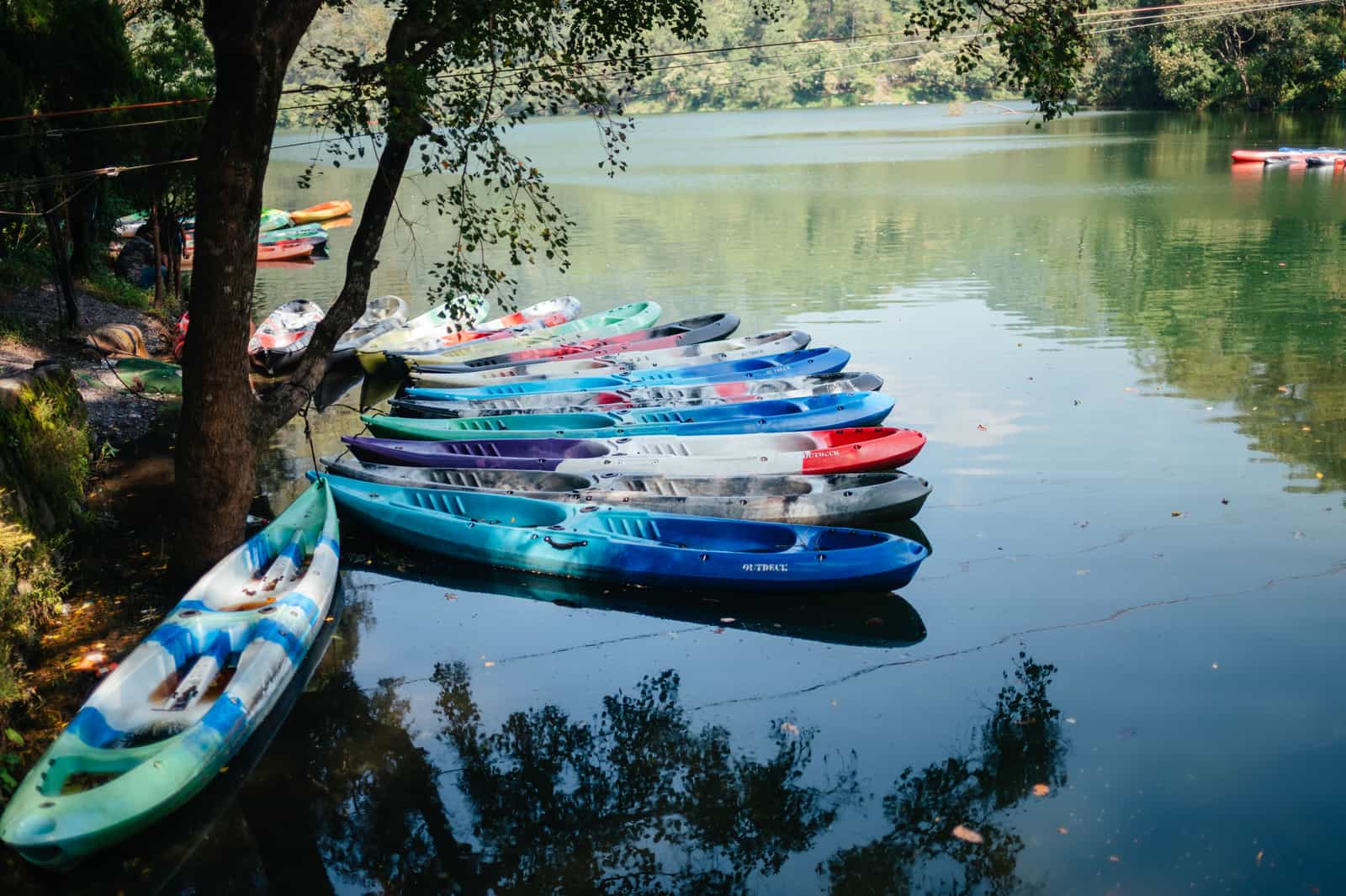
Best Under $500
The Best Kayaks Under $500
Under $500 is where a real hard-shell hull just becomes possible. What the bracket buys, which boats sit either side of the line, and the one to avoid.
Top pick
Pelican Seek 100X Sit-on-Top Kayak, 10 ft
A sit-on-top that still fits a small car
#ad · how this is funded · price as of October 18, 2026
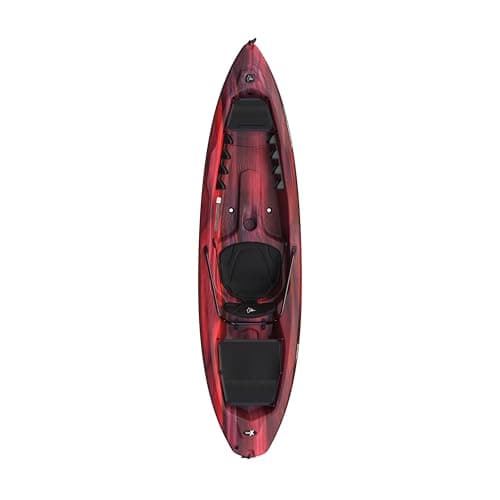
Pelican Seek 100X: The Sit-On-Top That Fits a Small Car
43.1 lb and 10 ft make it a one-person carry, rare for a sit-on-top. A 30 in beam lands in the beginner band. The 300 lb rating is the limit to check.
Top pick
Pelican Seek 100X Sit-on-Top Kayak, 10 ft
A sit-on-top that still fits a small car
#ad · how this is funded · price as of October 18, 2026
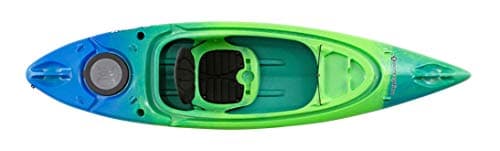
Perception Flash 9.5: The Most Capacity in the Shortest Hull
325 lb rated in a hull under 10 ft, at 41 lb. The best short-boat capacity we cover — and a waterline too short to hold a line in wind.
Top pick
Perception Flash 9.5 Sit-Inside Kayak
The most capacity in the shortest hull
#ad · how this is funded · price as of October 18, 2026
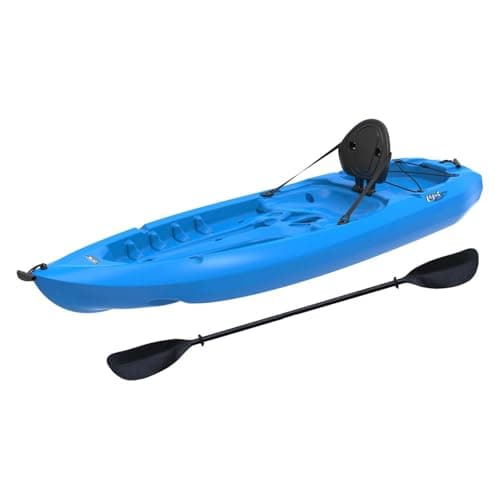
Lifetime Lotus: The Cheapest Complete Way Onto the Water
Hull and paddle in one box at the lowest price we cover. 250 lb rated is the hard limit, and 8 ft is a pond boat — both stated plainly.
Top pick
Lifetime Lotus Sit-on-Top Kayak, 8 ft (paddle included)
The cheapest complete way onto flat water
#ad · how this is funded · price as of October 18, 2026
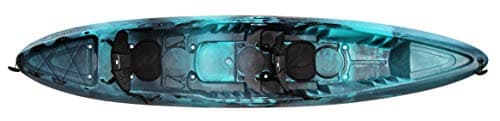
Perception Rambler 13.5: The Tandem That Actually Fits Three
550 lb rated — about 358 lb usable — is the only tandem figure here with room for two adults and a child or a dog. The 78 lb hull is a permanent two-person carry.
Top pick
Perception Rambler 13.5 Tandem Sit-on-Top Kayak
Two adults plus a child or a dog
#ad · how this is funded · price as of October 18, 2026
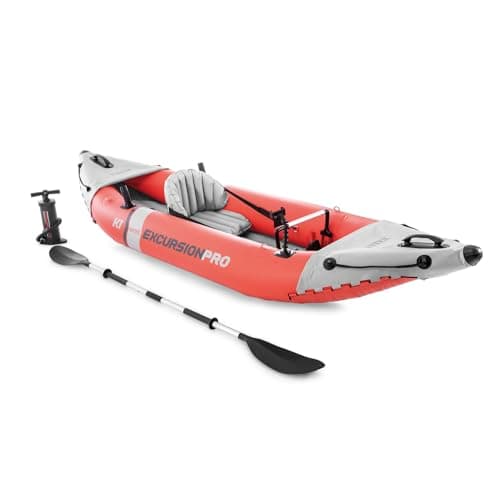
Intex Excursion Pro K1: Stiffness You Can Feel, Capacity You Cannot Ignore
The best-constructed inflatable we cover — laminate hull, high-pressure floor, two removable skegs. Rated 220 lb, the same limit as boats built far worse.
Top pick
Intex Excursion Pro K1 Inflatable Kayak (paddle and pump included)
The stiffest inflatable in the entry price class
#ad · how this is funded · price as of October 18, 2026
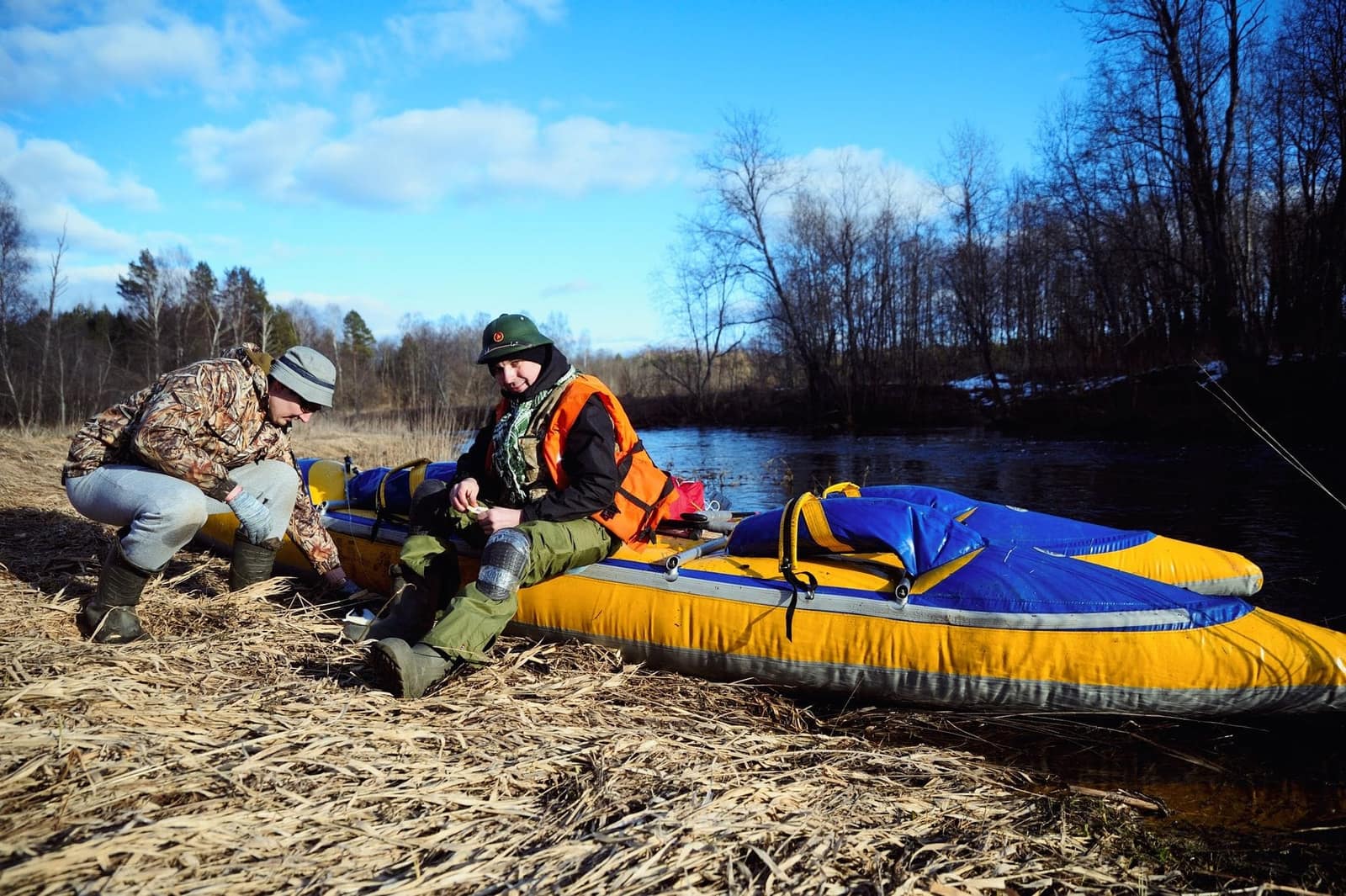
Intex Challenger K1 vs Explorer K2
The two cheapest inflatables, hull against hull. The counter-intuitive answer: the two-person K2 is the better solo boat for most adults, because 400 lb rated beats 220.
Top pick
Intex Explorer K2 Inflatable Kayak, 2-person (oars and pump included)
Two people, no roof rack, small budget
#ad · how this is funded · price as of October 18, 2026
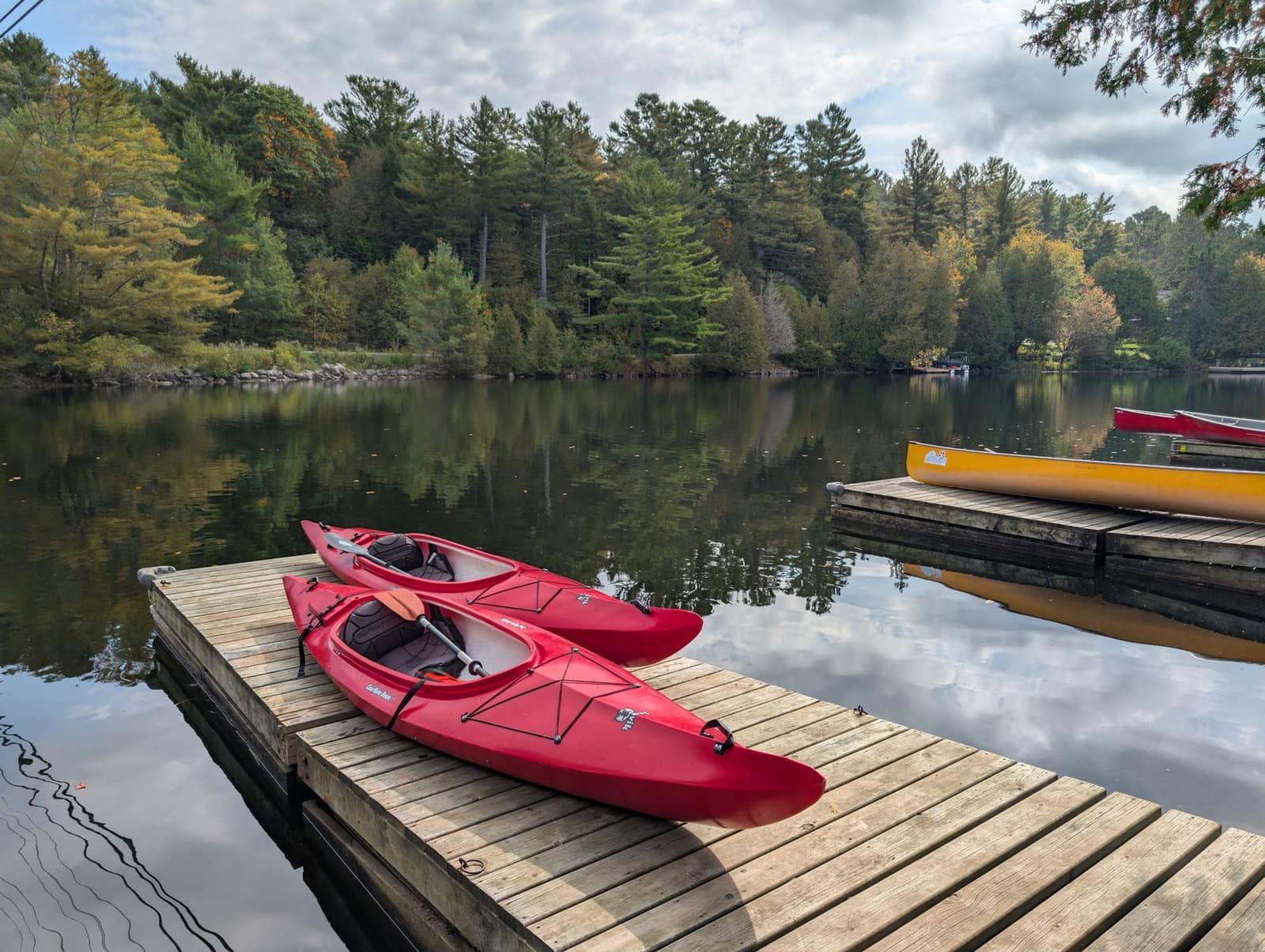
Tandem Kayak or Two Single Kayaks?
One boat or two? Decided on carry weight, storage length and whether you will ever paddle alone — with the capacity arithmetic that tandem listings leave out.
Top pick
Perception Rambler 13.5 Tandem Sit-on-Top Kayak
Two adults plus a child or a dog
#ad · how this is funded · price as of October 18, 2026
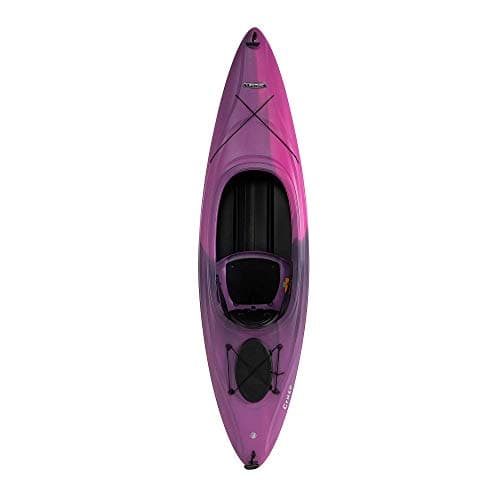
Lifetime Cruze 100: The Cheap Sit-Inside That Is Actually Wide Enough
30 in of beam at the budget end, which is the spec a nervous first-timer actually feels. You pay for it in 46 lb of hull and the tightest capacity here.
Top pick
Lifetime Cruze 100 Sit-In Kayak, 10 ft
The cheapest hard-shell sit-inside worth owning
#ad · how this is funded · price as of October 18, 2026
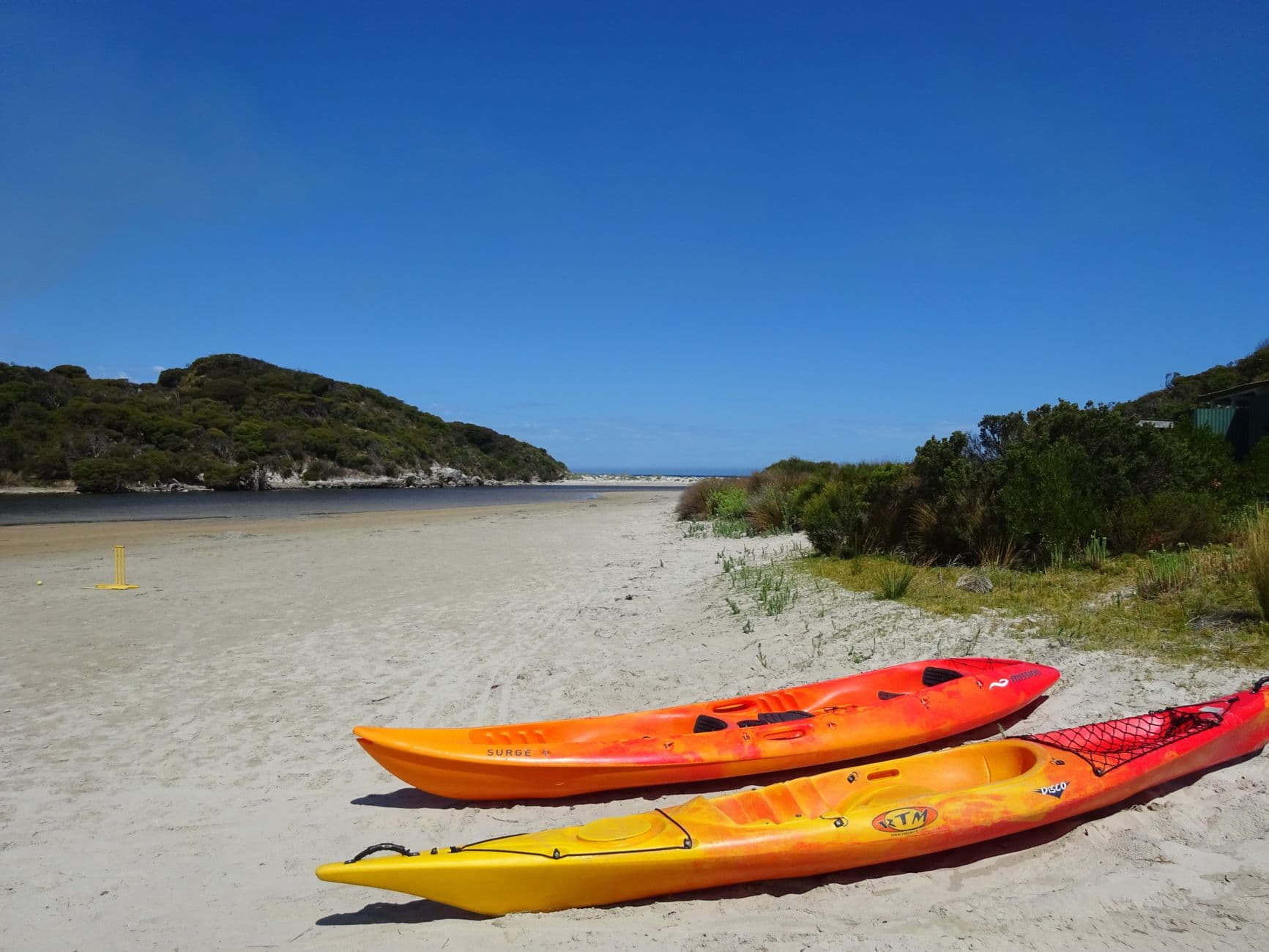
Perception Tribe 11.5 vs Pelican Seek 100X
Same beam, different everything else. 33 lb more paddler and 18 in more waterline against 8.9 lb less to lift — the trade, with the arithmetic.
Top pick
Perception Tribe 11.5 Sit-on-Top Kayak
The all-round first sit-on-top
#ad · how this is funded · price as of October 18, 2026
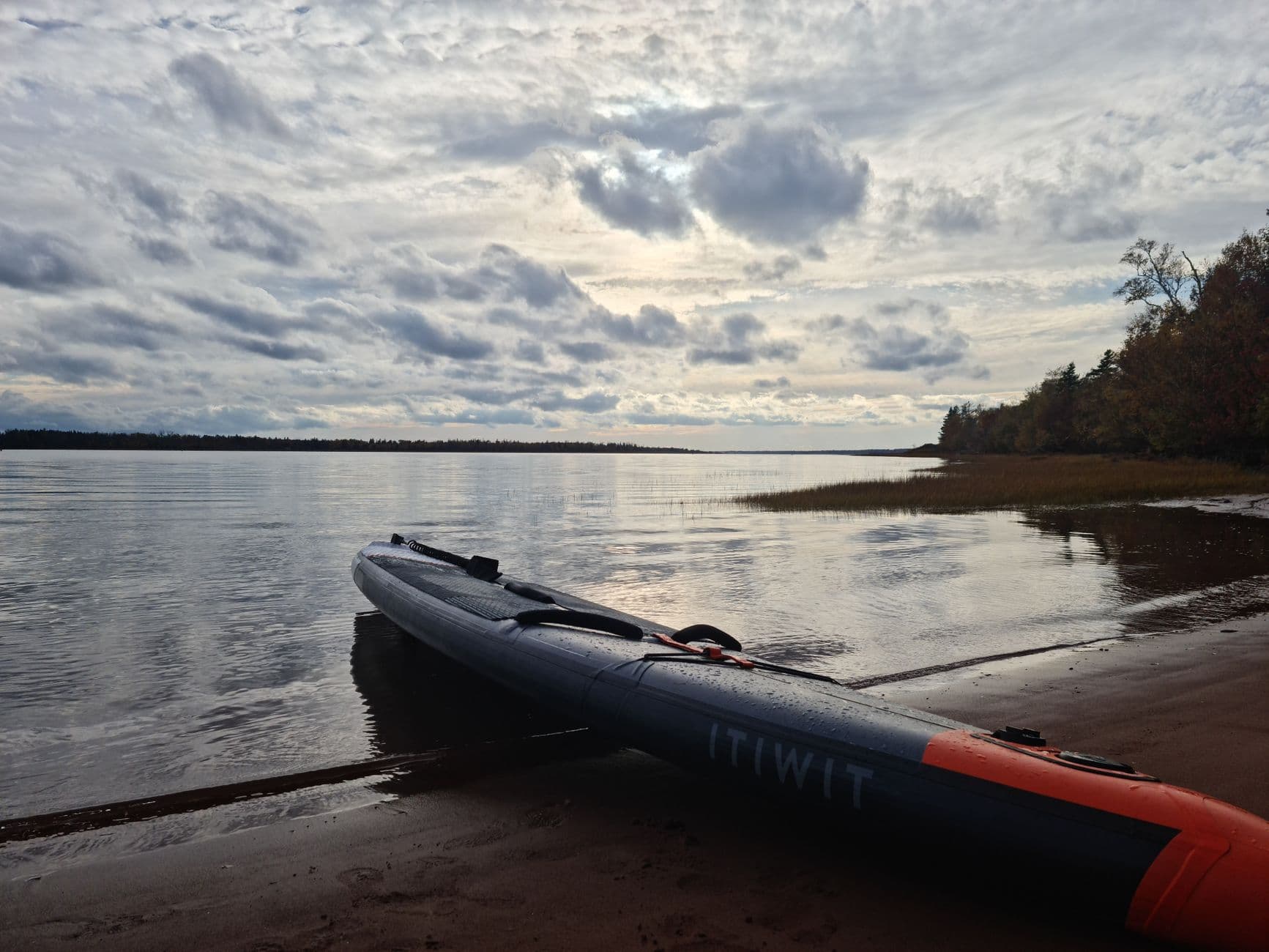
Best K2 Alternative
Intex Explorer K2 Alternatives
Alternatives to the K2 sorted by what you actually want fixed: tracking, packed weight, capacity, or the fact that it is an inflatable at all.
Top pick
Intex Explorer K2 Inflatable Kayak, 2-person (oars and pump included)
Two people, no roof rack, small budget
#ad · how this is funded · price as of October 18, 2026
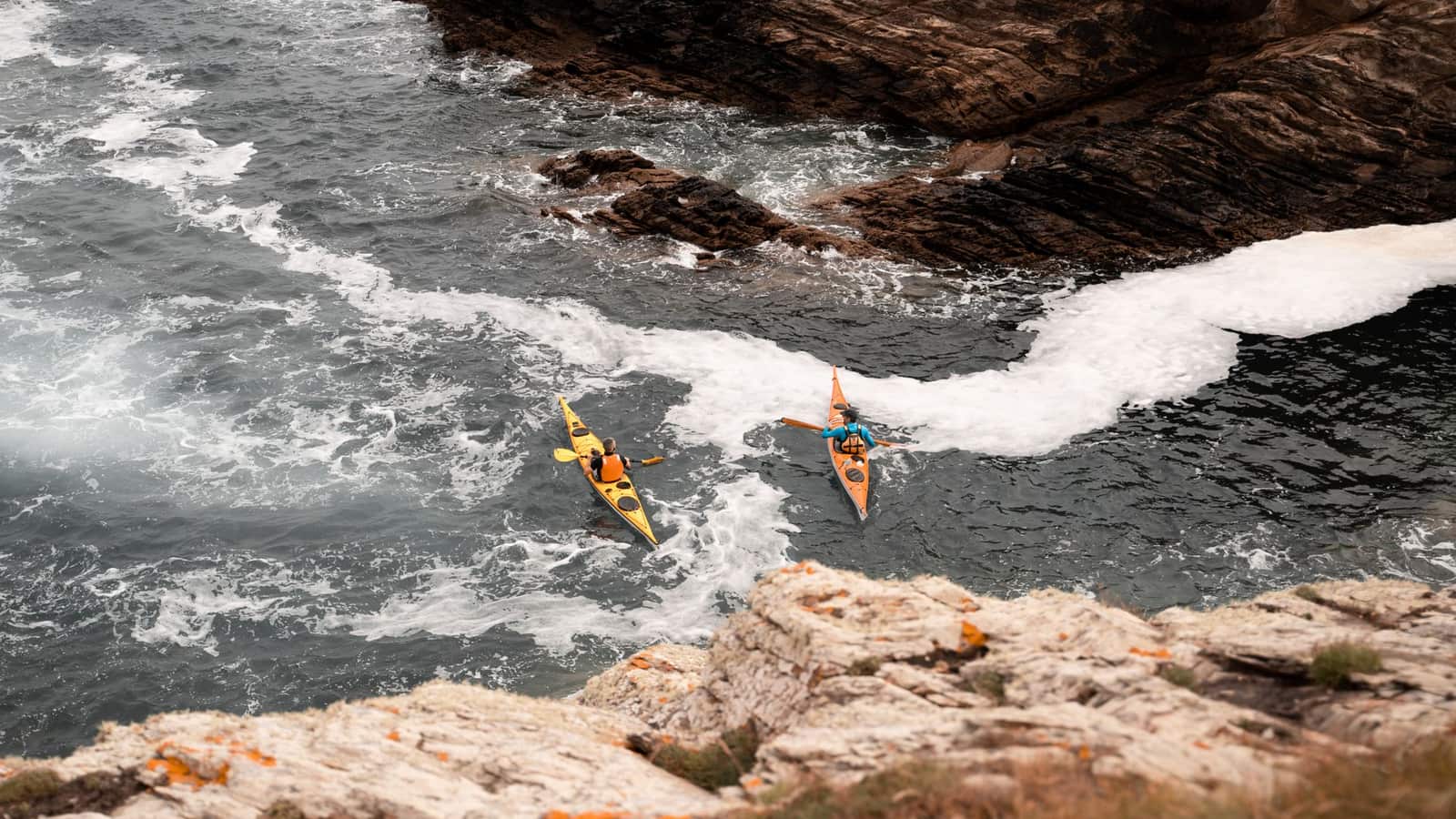
Can You Take a Beginner Kayak on the Ocean?
Bays and estuaries on a calm morning: yes, with the right length. Open coast and surf: no. The conditions that decide it, and the picks that handle a bay.
Top pick
Perception Tribe 11.5 Sit-on-Top Kayak
The all-round first sit-on-top
#ad · how this is funded · price as of October 18, 2026
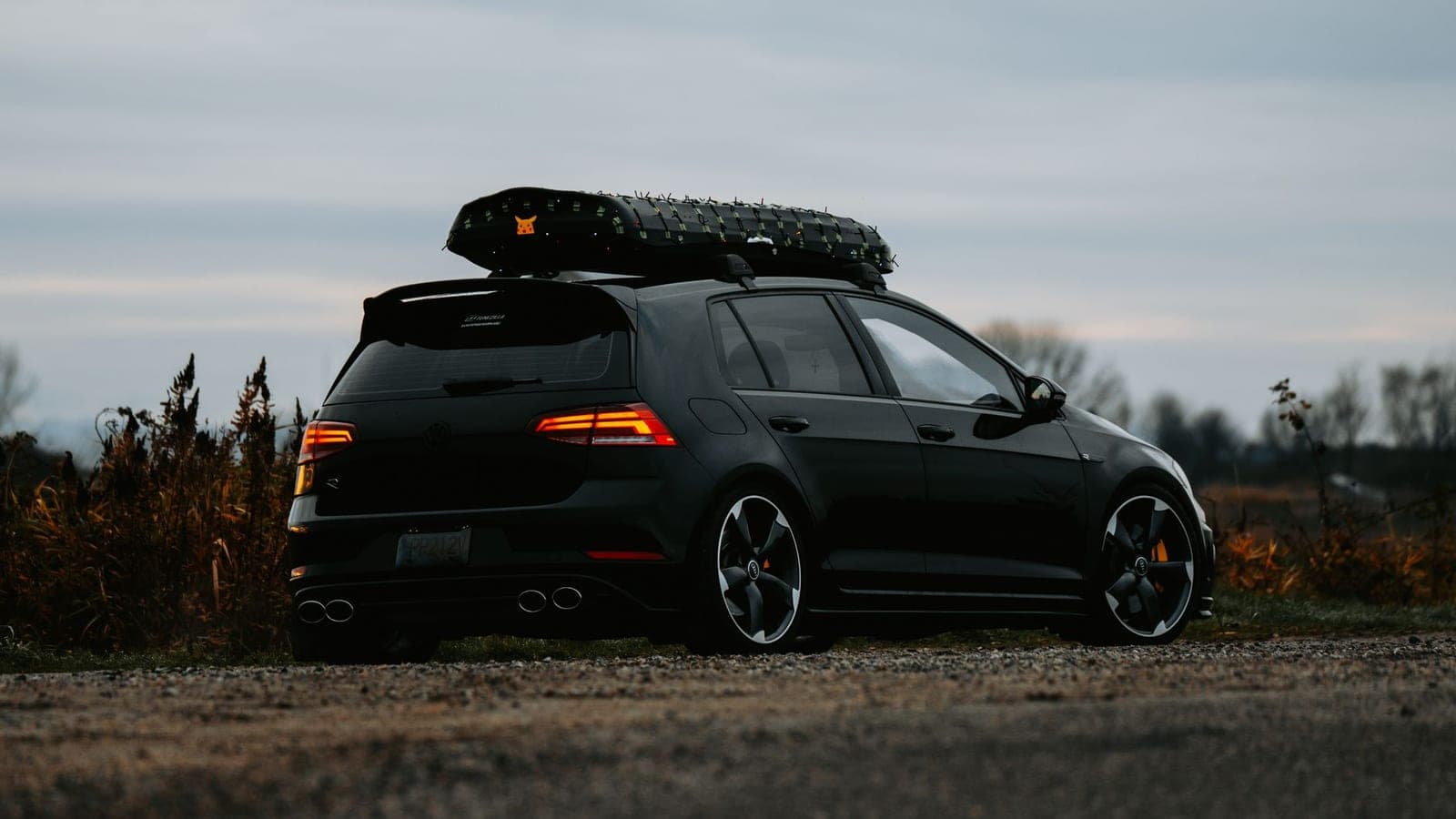
Will a Kayak Fit Inside Your Car?
The honest answer is no for hard-shells and yes for inflatables and folding boats. One measurement decides it, and here is what to buy either way.
Top pick
Intex Excursion Pro K1 Inflatable Kayak (paddle and pump included)
The stiffest inflatable in the entry price class
#ad · how this is funded · price as of October 18, 2026
Questions people actually ask
What size kayak do I need for a beginner?
Sit-on-top or sit-inside for a first kayak?
How much weight can a kayak hold?
How much does a beginner kayak weigh?
Do I need a roof rack for a kayak?
What is the best kayak length for a lake?
Where these numbers came from
Every figure on this page traces to one of these. Where a number could not be sourced, the page says so rather than estimating it.
- Eddyline Kayaks — Maximum weight capacity versus ideal capacity for various styles of kayaks (manufacturer, states the 60-70% ideal-capacity band)
- Aqua-Bound — Kayak Paddle Sizing Guide (manufacturer, the size-longer and size-shorter adjustment rules)
- NRS — Kayak Paddle Sizing Guides (manufacturer, publishes the low-angle and high-angle length charts our formula is fitted to)
- U.S. Coast Guard — Life Jacket Wear / Wearing Your Life Jacket (federal carriage and under-13 wear requirements)
Why there is nothing to buy on this page: This is the section's front door rather than a roundup. Every page below carries its own top pick, its published specifications and a live buy link.