Choosing Your First
Life Jacket Rules for Paddlers
The federal requirement is short and specific. The state rules on top of it vary, and this is one subject where we are not going to summarize from memory.
We have not paddled these, and we are not going to pretend we have. Here is what we did instead. Links to Amazon earn us a commission at no extra cost to you, and commission never decides a pick — how this site is funded.
| # | Product | Best for | The spec it turns on | Price |
|---|---|---|---|---|
| 1 | 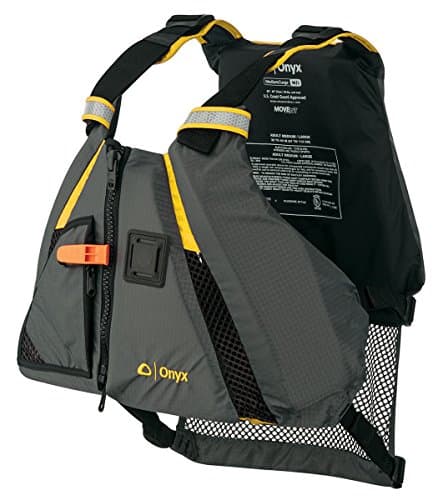 Onyx MoveVent Dynamic Paddle VestTop pickA paddling-cut vest with a mesh lower back, which is the design difference that stops a PFD from being pushed up your neck every time you sit against a seat back. | The PFD you will actually keep on | USCG and Transport Canada approved, 90 to 300 lb range, 1.7 lb, ventilated back panel | |
| 2 | 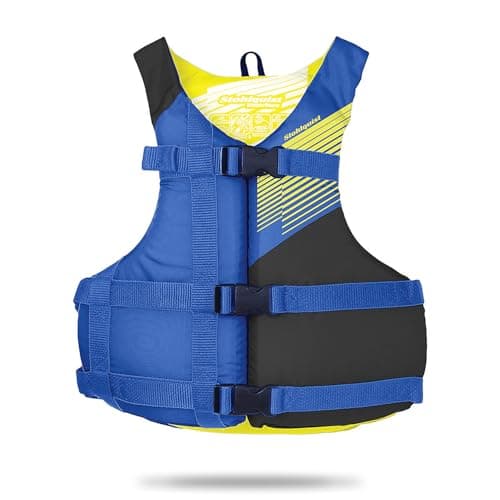 Stohlquist FIT Adult Life Jacket, Type IIIA universal-fit Type III is the sensible answer to the spare-PFD problem: the vest that lives in the garage for whoever comes along. | One vest that fits several adults | USCG approved Type III, universal fit, 90 to 300 lb range | |
| 3 | 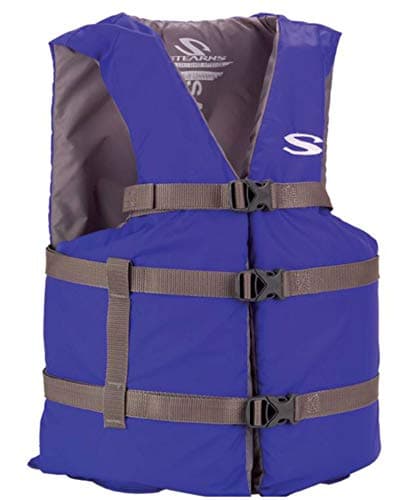 Stearns Adult Life Vest, USCG Approved Type IIIThe floor of the category. It is approved, it works, and the only thing separating it from the paddling vests is whether you will still be wearing it in hour two. | The cheapest legal vest | USCG approved Type III, standard adult fit |
This page is written to a different standard from the rest of the site. Everything here is sourced to the U.S. Coast Guard directly and quoted rather than paraphrased, because paddlesports safety content carries real physical risk and a confidently-worded summary written from memory is worse than no page at all.
The federal requirement
The U.S. Coast Guard states it directly: to meet its requirements, a recreational vessel must have a U.S. Coast Guard approved wearable personal flotation device for each person on board.
That is a carriage requirement rather than a wear requirement for adults. One approved wearable device, per person, aboard the vessel.
Yes, a kayak is a vessel
This is where people get caught. Kayaks, canoes and paddle boards are vessels under federal law, and a stand up paddle board is treated as a vessel when used outside a designated swimming, surfing or bathing area. Being human-powered does not exempt a craft from the requirement.
The practical consequence: if you and a friend take two boards onto a lake, that is two vessels and two approved life jackets. The requirement is per person aboard, not per household.
Children under 13 must wear one
This is a wear requirement, not a carriage one, and it is federal. The Coast Guard states that federal law requires children under 13 years of age to wear an approved life jacket or buoyancy aid when a vessel is under way, with exceptions where the child is below deck or in an enclosed cabin — neither of which exists on a kayak or a board.
The Coast Guard also notes that state laws may vary, which in practice means some states set the threshold differently. Check yours.
Carry versus wear, for adults
Federally, an adult must have an approved wearable device aboard. The Coast Guard's own guidance goes further than the letter of that requirement: though not always required by law, an approved life jacket should be worn at all times when the vessel is under way.
The practical argument is simpler than the legal one. The moment you need a life jacket is the moment you are in the water and it is in the boat. There is no version of this where retrieving it is realistic.
What counts as approved
- **It must be U.S. Coast Guard approved**, which is stated on a label inside the vest. An unlabeled or foreign-market vest does not satisfy the requirement.
- **It must be wearable.** Throwable devices like ring buoys and cushions do not count toward the per-person requirement.
- **It must fit the wearer.** A vest that rides up over the ears in the water is not doing its job, and adult vests do not satisfy the requirement for a child — the approved vests for each child weight band.
- **It must be in serviceable condition.** Torn fabric, compressed foam or broken buckles all fail.
- **Type III is the normal class for paddling** — a wearable flotation aid intended for conscious users in calm water where rescue is nearby, which describes recreational paddling exactly.
Beyond the jacket
Federal equipment requirements for recreational vessels also cover sound-producing devices and, for paddlecraft under way between sunset and sunrise, lighting. Those requirements depend on the vessel and the conditions, and they are set out on the Coast Guard's own recreational boaters pages, which is where you should read them rather than here.
A whistle on your PFD is cheap, weighs nothing, and covers the sound-signal requirement on a paddlecraft. It is worth clipping one on and forgetting about it.
The state layer
States add to the federal baseline and the additions matter. Common patterns include a seasonal wear requirement — several states require all paddlers to wear a PFD during cold-water months rather than merely carry one — and age thresholds that differ from the federal 13.
Some states also register non-motorized paddlecraft, which is a separate matter from flotation but comes up in the same conversation. Your state boating agency publishes both, and it is a ten-minute job before your first trip.
The vests we would buy
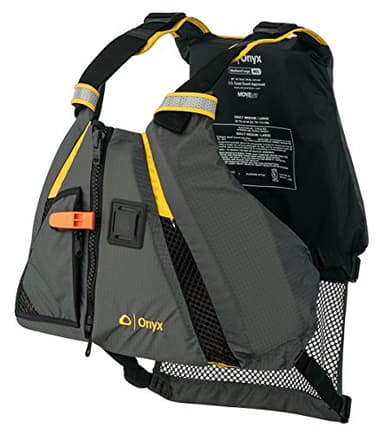
Top pick — The PFD you will actually keep on
Onyx MoveVent Dynamic Paddle Vest
A paddling-cut vest with a mesh lower back, which is the design difference that stops a PFD from being pushed up your neck every time you sit against a seat back.
What the listing publishes
USCG and Transport Canada approved, 90 to 300 lb range, 1.7 lb, ventilated back panel
The U.S. Coast Guard requires a wearable approved PFD for every person aboard a recreational vessel, and requires children under 13 to wear one while under way. Kayaks, canoes and paddle boards count as vessels. Carrying it satisfies the law for adults; wearing it is what actually works.
The 90 to 300 lb rating on the listing is a chest-size and buoyancy fit range, not a capacity. Get the size right -- a PFD that rides up when you lift your arms is one you will take off.
The ventilated back panel exists because kayak seats have backrests. A flat-backed general-purpose vest and a seat back fight each other for the same space, and the vest loses.
What it does well
- Cut for paddling, so the lower back clears a kayak seat
- Ventilated panel makes it bearable in real summer heat
- USCG and Transport Canada approved, which is the only certification that counts
What it costs you
- Costs several times a general-purpose orange vest
- Sized ranges mean you must check the fit chart, not just buy a Medium
- Mesh back panels snag on rough gear
Skip this if this is a once-a-year rental-style outing. A cheap approved vest is legally identical and the comfort argument only pays off with hours in it.
#ad · how this is funded · price as of October 18, 2026
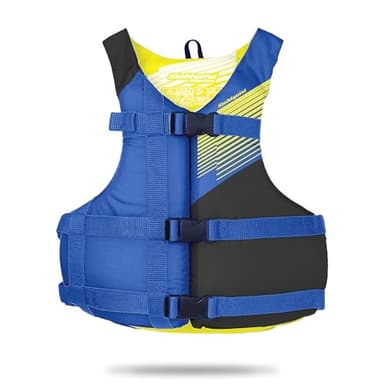
Pick 2 — One vest that fits several adults
Stohlquist FIT Adult Life Jacket, Type III
A universal-fit Type III is the sensible answer to the spare-PFD problem: the vest that lives in the garage for whoever comes along.
What the listing publishes
USCG approved Type III, universal fit, 90 to 300 lb range
Type III is the classification for a wearable flotation aid intended for conscious users in calm water where rescue is close -- which is exactly a lake, and exactly what recreational paddling is.
Universal fit means a wide adjustment range rather than a good fit for anyone in particular. As the guest vest that is right; as your own vest a sized paddling cut is better.
Every adult aboard needs their own approved wearable PFD. Two boats and two friends means four vests, not two, and that is a cost people forget when they budget a first setup.
What it does well
- One vest genuinely covers a wide range of adult guests
- USCG approved Type III, the correct class for recreational paddling
- Inexpensive enough to buy two
What it costs you
- Universal fit is a compromise for every individual wearing it
- Not cut for a kayak seat back the way a paddling vest is
- Adjustment straps need resetting for every new wearer
Skip this if this is your own everyday vest. Buy one cut and sized for you -- a vest that fits is a vest you wear.
#ad · how this is funded · price as of October 18, 2026
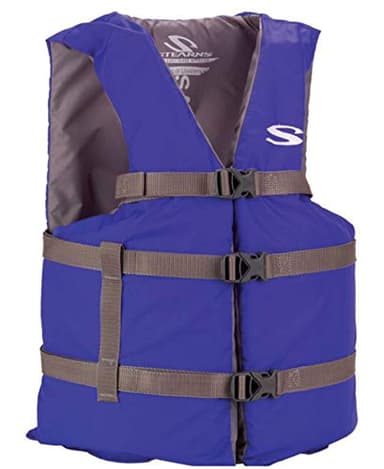
Pick 3 — The cheapest legal vest
Stearns Adult Life Vest, USCG Approved Type III
The floor of the category. It is approved, it works, and the only thing separating it from the paddling vests is whether you will still be wearing it in hour two.
What the listing publishes
USCG approved Type III, standard adult fit
Approved is approved. A Type III from any listed manufacturer meets the same federal standard as one costing five times more, and in a genuine capsize they float you the same.
The difference is entirely comfort and cut. A flat-backed vest against a kayak seat rides up; that is why people take them off; and a PFD in the footwell floats nothing.
This is the correct purchase for the spare, the guest, and the child-sized backup you keep in the car.
What it does well
- USCG approved Type III at the lowest price in the category
- Simple construction with nothing to fail
- Cheap enough to own several so nobody is ever short one
What it costs you
- Flat back panel fights a kayak seat back
- Hot in summer with no ventilation
- Basic buckles and webbing, adjusted by feel
Skip this if you paddle regularly. The comfort difference is exactly what decides whether it is on you or behind you, and that is the whole point of owning one.
#ad · how this is funded · price as of October 18, 2026
Questions people actually ask
Do you legally need a life jacket on a kayak?
Do you need a life jacket on a paddle board?
Do children have to wear a life jacket on a kayak?
Can I just carry a life jacket instead of wearing it?
What type of life jacket do I need for kayaking?
Do life jacket rules vary by state?
Where these numbers came from
Every figure on this page traces to one of these. Where a number could not be sourced, the page says so rather than estimating it.
- U.S. Coast Guard — Life Jacket Wear / Wearing Your Life Jacket (federal carriage and under-13 wear requirements)
- U.S. Coast Guard — Recreational Boaters (federal equipment requirements for vessels, paddlecraft included)
- Onyx MoveVent Dynamic Paddle Vest, USCG and Transport Canada approved — manufacturer specification as published on the Amazon listing, read 2026-09-02
- Stohlquist FIT Adult Life Jacket, USCG approved Type III — manufacturer specification as published on the Amazon listing, read 2026-09-02
- Stearns Adult Life Vest, USCG approved Type III — manufacturer specification as published on the Amazon listing, read 2026-09-02
Read next
Onyx MoveVent Dynamic: The Life Jacket You Will Actually Keep On
USCG and Transport Canada approved, with a mesh lower back that clears a kayak seat and large armholes that leave the stroke alone. The fit chart is the catch.
Top pick
Onyx MoveVent Dynamic Paddle Vest
The PFD you will actually keep on
#ad · how this is funded · price as of October 18, 2026
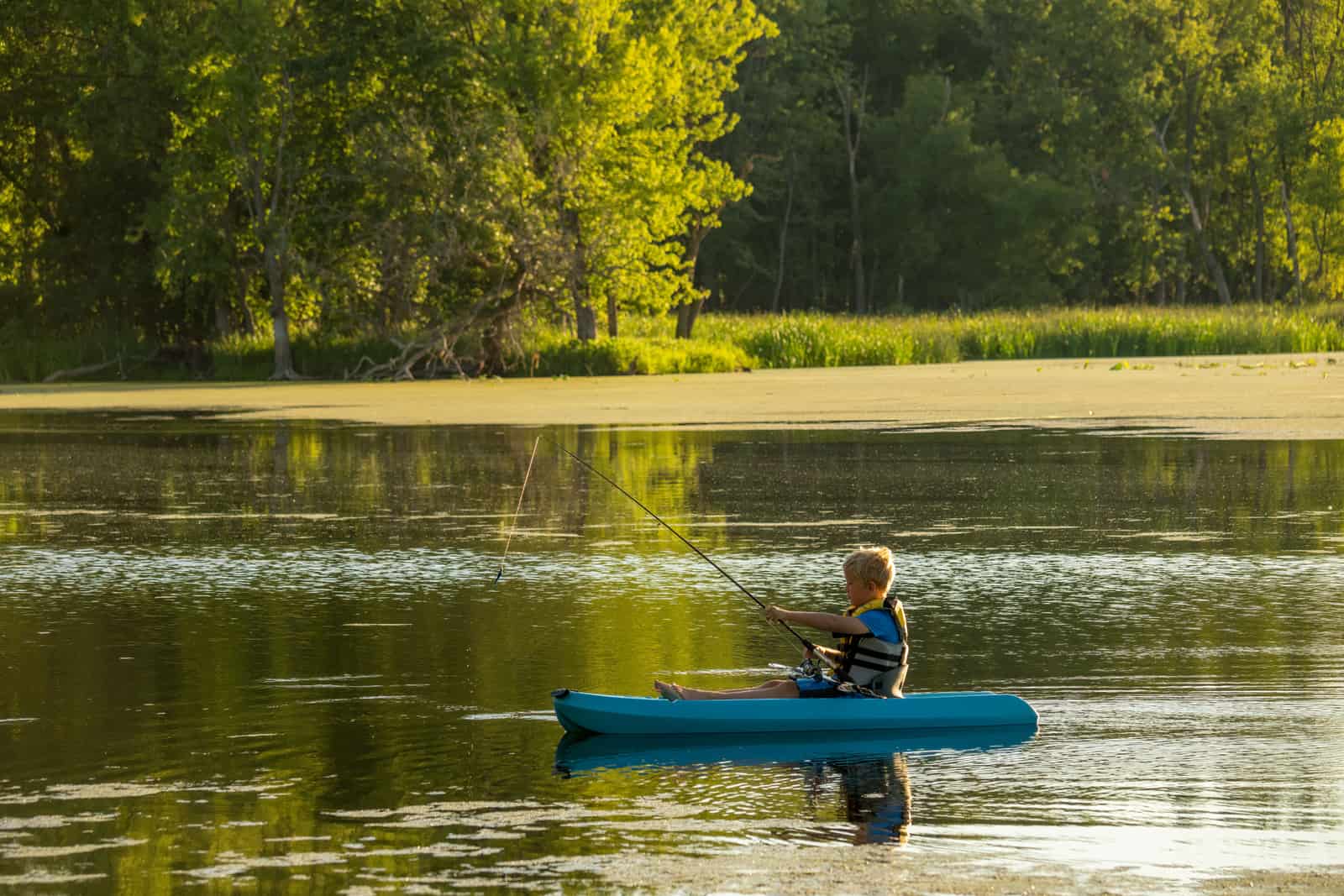
Best Kids' Life Jacket
The Best Life Jackets for Kids Who Paddle
Fitted by weight on the label, never by age. The approved vest for each weight band, the features that matter at each size, and the mistakes that make a vest unsafe.
Top pick
Onyx Youth Life Jacket, 55-88 lb
A child paddling their own kayak or board
#ad · how this is funded · price as of October 18, 2026
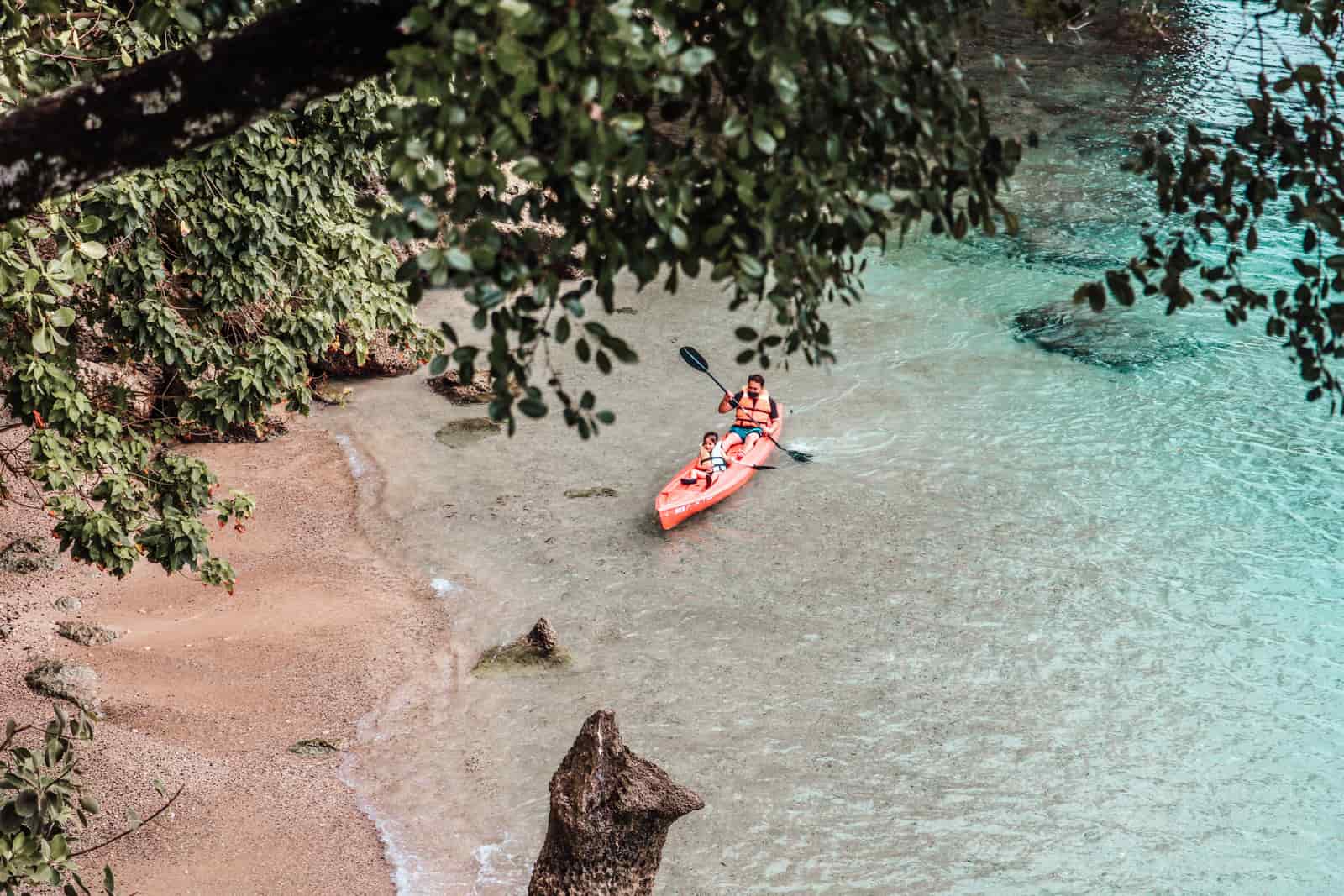
Best Kids' Kayak
The Best Kayaks for Kids
Hull weight decides whether it is their boat. Rated capacity decides how long it lasts. Both are on the listing — here is how to read them for a child.
Top pick
Lifetime Youth Wave Kayak, 6 ft (paddle included)
A first boat for a child aged five and up
#ad · how this is funded · price as of October 18, 2026
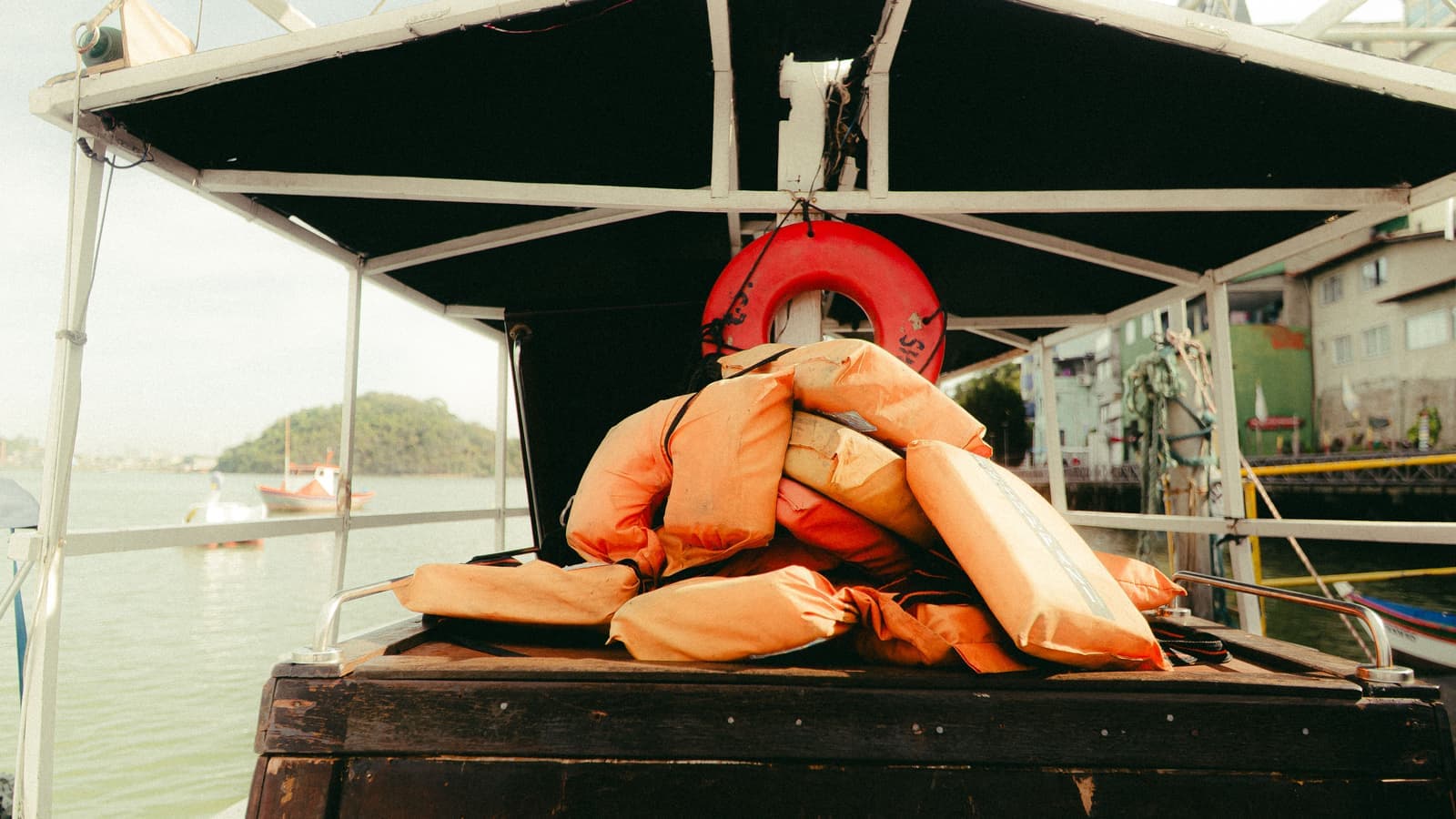
Best Life Jacket
The Best Life Jackets for Paddling
Approved vests compared on cut and comfort — the variables that decide whether it stays on.
Top pick
Onyx MoveVent Dynamic Paddle Vest
The PFD you will actually keep on
#ad · how this is funded · price as of October 18, 2026

Your First Time on the Water
What a first outing is actually like, the checklist that matters, and the three mistakes beginners reliably make.
Top pick
Onyx MoveVent Dynamic Paddle Vest
The PFD you will actually keep on
#ad · how this is funded · price as of October 18, 2026
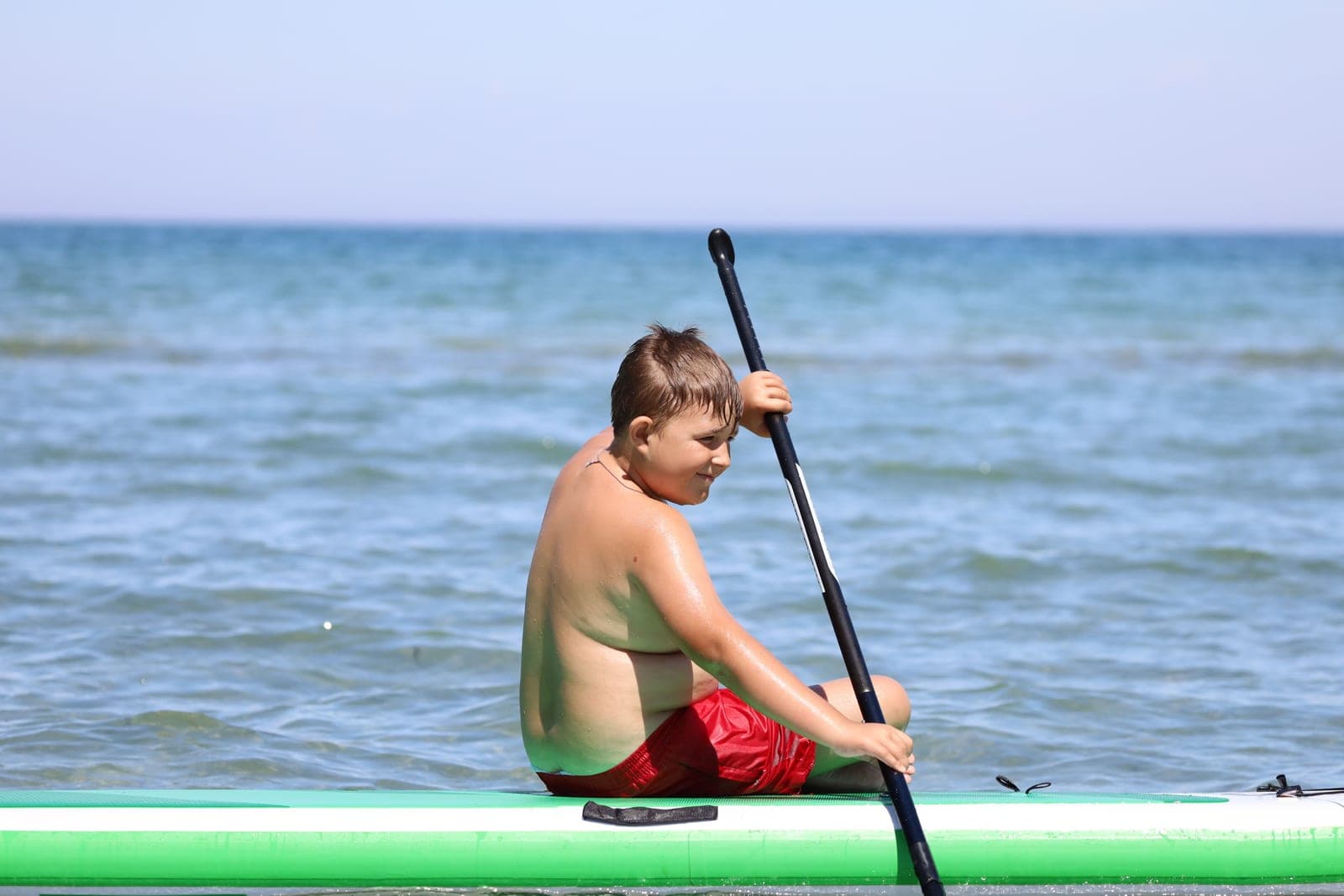
Best for Kids
The Best Paddle Boards for Kids
Kids' boards sized on weight and reach, plus the point at which a narrow adult board becomes the better buy.
Top pick
Retrospec Weekender-Nano Inflatable Paddle Board, 8 ft
A child's own board
#ad · how this is funded · price as of October 18, 2026