Gear & Getting There
The Best Life Jackets for Paddling
Every approved vest floats you the same. What separates them is whether you are still wearing it in hour two, which is the only variable that actually affects your safety.
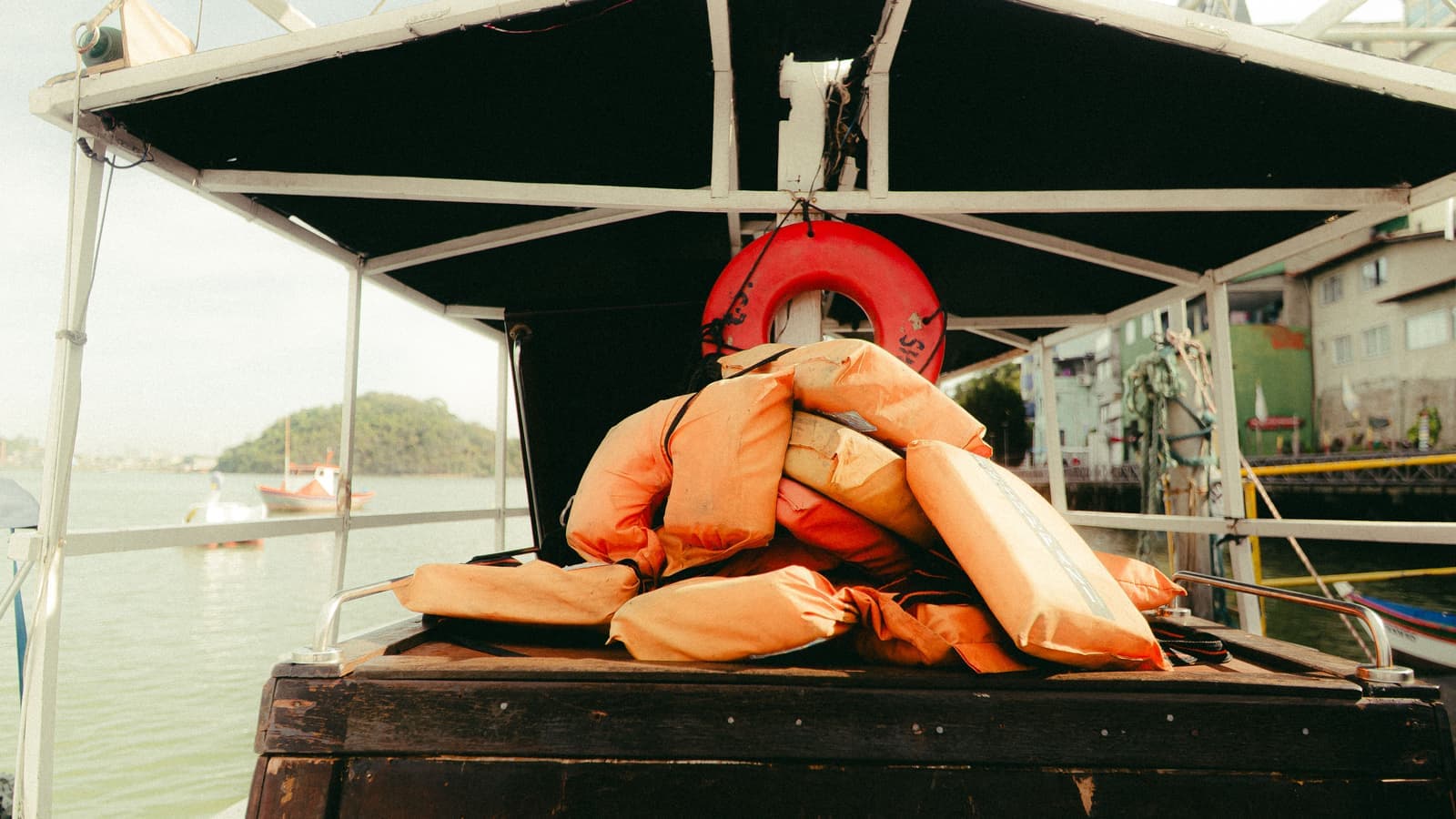
We have not paddled these, and we are not going to pretend we have. Here is what we did instead. Links to Amazon earn us a commission at no extra cost to you, and commission never decides a pick — how this site is funded.
| # | Product | Best for | The spec it turns on | Price |
|---|---|---|---|---|
| 1 | 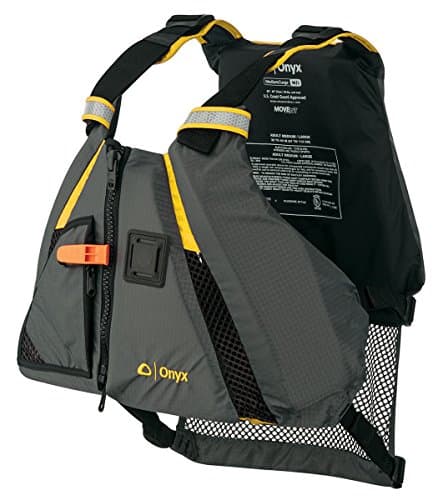 Onyx MoveVent Dynamic Paddle VestTop pickA paddling-cut vest with a mesh lower back, which is the design difference that stops a PFD from being pushed up your neck every time you sit against a seat back. | The PFD you will actually keep on | USCG and Transport Canada approved, 90 to 300 lb range, 1.7 lb, ventilated back panel | |
| 2 | 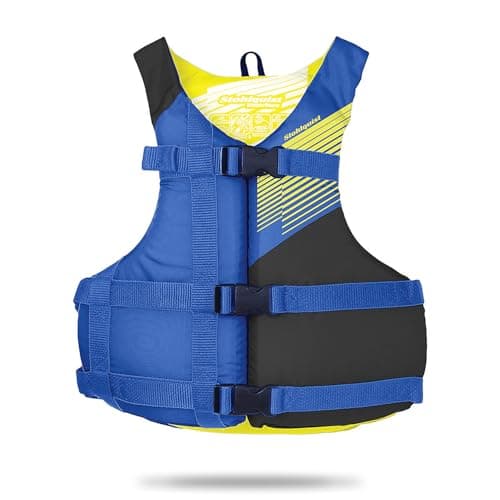 Stohlquist FIT Adult Life Jacket, Type IIIA universal-fit Type III is the sensible answer to the spare-PFD problem: the vest that lives in the garage for whoever comes along. | One vest that fits several adults | USCG approved Type III, universal fit, 90 to 300 lb range | |
| 3 | 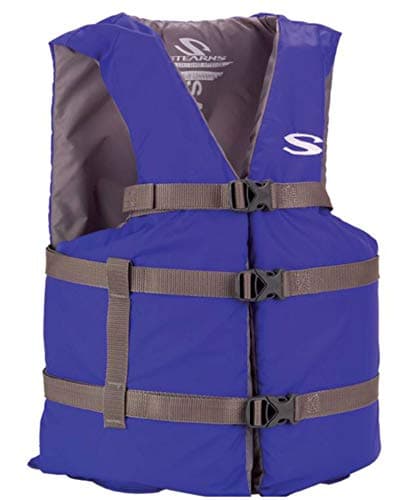 Stearns Adult Life Vest, USCG Approved Type IIIThe floor of the category. It is approved, it works, and the only thing separating it from the paddling vests is whether you will still be wearing it in hour two. | The cheapest legal vest | USCG approved Type III, standard adult fit |
This is the only category on the site where the cheap option and the expensive option are functionally identical in the moment they matter. Every U.S. Coast Guard approved Type III vest meets the same standard and floats you the same way.
So the entire argument for spending more is comfort — and comfort is not a luxury here. A vest that rides up your neck every time you lean back against a kayak seat is a vest that comes off after forty minutes, and a life jacket in the footwell floats nothing at all.
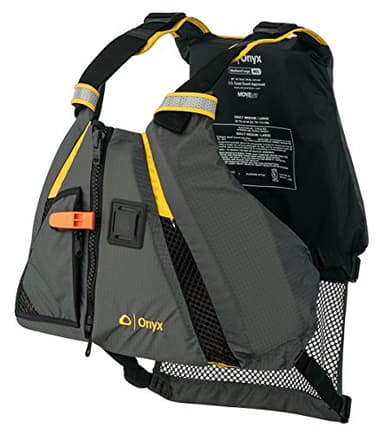
Top pick — The PFD you will actually keep on
Onyx MoveVent Dynamic Paddle Vest
A paddling-cut vest with a mesh lower back, which is the design difference that stops a PFD from being pushed up your neck every time you sit against a seat back.
What the listing publishes
USCG and Transport Canada approved, 90 to 300 lb range, 1.7 lb, ventilated back panel
The U.S. Coast Guard requires a wearable approved PFD for every person aboard a recreational vessel, and requires children under 13 to wear one while under way. Kayaks, canoes and paddle boards count as vessels. Carrying it satisfies the law for adults; wearing it is what actually works.
The 90 to 300 lb rating on the listing is a chest-size and buoyancy fit range, not a capacity. Get the size right -- a PFD that rides up when you lift your arms is one you will take off.
The ventilated back panel exists because kayak seats have backrests. A flat-backed general-purpose vest and a seat back fight each other for the same space, and the vest loses.
What it does well
- Cut for paddling, so the lower back clears a kayak seat
- Ventilated panel makes it bearable in real summer heat
- USCG and Transport Canada approved, which is the only certification that counts
What it costs you
- Costs several times a general-purpose orange vest
- Sized ranges mean you must check the fit chart, not just buy a Medium
- Mesh back panels snag on rough gear
Skip this if this is a once-a-year rental-style outing. A cheap approved vest is legally identical and the comfort argument only pays off with hours in it.
#ad · how this is funded · price as of October 18, 2026
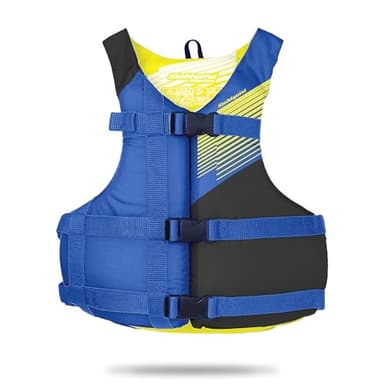
Pick 2 — One vest that fits several adults
Stohlquist FIT Adult Life Jacket, Type III
A universal-fit Type III is the sensible answer to the spare-PFD problem: the vest that lives in the garage for whoever comes along.
What the listing publishes
USCG approved Type III, universal fit, 90 to 300 lb range
Type III is the classification for a wearable flotation aid intended for conscious users in calm water where rescue is close -- which is exactly a lake, and exactly what recreational paddling is.
Universal fit means a wide adjustment range rather than a good fit for anyone in particular. As the guest vest that is right; as your own vest a sized paddling cut is better.
Every adult aboard needs their own approved wearable PFD. Two boats and two friends means four vests, not two, and that is a cost people forget when they budget a first setup.
What it does well
- One vest genuinely covers a wide range of adult guests
- USCG approved Type III, the correct class for recreational paddling
- Inexpensive enough to buy two
What it costs you
- Universal fit is a compromise for every individual wearing it
- Not cut for a kayak seat back the way a paddling vest is
- Adjustment straps need resetting for every new wearer
Skip this if this is your own everyday vest. Buy one cut and sized for you -- a vest that fits is a vest you wear.
#ad · how this is funded · price as of October 18, 2026
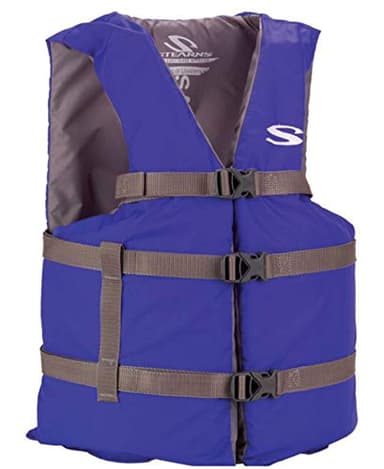
Pick 3 — The cheapest legal vest
Stearns Adult Life Vest, USCG Approved Type III
The floor of the category. It is approved, it works, and the only thing separating it from the paddling vests is whether you will still be wearing it in hour two.
What the listing publishes
USCG approved Type III, standard adult fit
Approved is approved. A Type III from any listed manufacturer meets the same federal standard as one costing five times more, and in a genuine capsize they float you the same.
The difference is entirely comfort and cut. A flat-backed vest against a kayak seat rides up; that is why people take them off; and a PFD in the footwell floats nothing.
This is the correct purchase for the spare, the guest, and the child-sized backup you keep in the car.
What it does well
- USCG approved Type III at the lowest price in the category
- Simple construction with nothing to fail
- Cheap enough to own several so nobody is ever short one
What it costs you
- Flat back panel fights a kayak seat back
- Hot in summer with no ventilation
- Basic buckles and webbing, adjusted by feel
Skip this if you paddle regularly. The comfort difference is exactly what decides whether it is on you or behind you, and that is the whole point of owning one.
#ad · how this is funded · price as of October 18, 2026
Why a paddling cut exists
A general-purpose boating vest has a continuous foam panel front and back. It is designed for someone sitting on a bench in a motorboat, and it is designed cheaply.
A kayak has a seat back. The bottom of a general-purpose vest and the seat back occupy the same space, so the vest gets pushed up your spine every time you sit back — which puts the collar under your chin and the foam across your throat. That is the single most common reason people take a PFD off.
A paddling vest solves it by removing the foam from the lower back entirely and replacing it with mesh. That is what makes the Onyx MoveVent worth its premium: not better flotation, just foam in the right places.
| Vest | Cut | Fit range | Best as |
|---|---|---|---|
| Onyx MoveVent Dynamic | Paddling, ventilated lower back | 90 to 300 lb | Your own everyday vest |
| Stohlquist FIT | Universal fit Type III | 90 to 300 lb | The guest vest in the garage |
| Stearns Adult Life Vest | General-purpose Type III | Standard adult | The cheapest legal spare |
Fitting one properly
- **Loosen every strap**, put it on, and do up the front.
- **Tighten from the bottom up.** Waist first, then chest, then shoulders. Doing it the other way leaves the vest hanging off your shoulders.
- **Have someone pull up on the shoulder straps.** If the vest rises past your chin, it is too loose or too large. Tighten or size down.
- **Sit down in it, against a seat back if you can.** This is the test that matters and it is the one nobody does in the shop.
- **Raise both arms overhead.** The vest should stay put. If it climbs, the waist is too loose.
What the law requires
One U.S. Coast Guard approved wearable device for every person aboard. Children under 13 must actually wear one while under way. Throwable devices do not count toward the per-person requirement, and the vest must be in serviceable condition and fit the wearer.
State rules add to that baseline and vary meaningfully — several states mandate wear rather than carriage during cold-water months. The full rules, sourced.
Inflatable belt packs
Worth mentioning because paddlers ask. A belt-pack inflatable PFD is compact and cool to wear, and it requires you to pull a cord and then put it over your head after you are already in the water.
They are approved for some uses and they are not a beginner's device: they are not approved for anyone under 16 or for non-swimmers, they require the wearer to act while cold and disoriented, and the cylinder has to be maintained. For a first PFD, buy foam. It works while you are doing nothing at all, which is the point.
How many do you need?
One per person aboard, which means one per person who might ever come with you. This is the cost line most people underestimate: two boats and two friends is four vests, not two.
The sensible pattern is one good paddling-cut vest for yourself and one or two universal-fit vests in the garage for whoever turns up. That is what the Stohlquist FIT is for and why it is on this list despite not being the best vest here.
Questions people actually ask
What is the best life jacket for kayaking?
Do I need a special life jacket for kayaking?
What is a Type III life jacket?
How should a kayak life jacket fit?
Are inflatable belt pack life jackets good for kayaking?
How many life jackets do I need?
Where these numbers came from
Every figure on this page traces to one of these. Where a number could not be sourced, the page says so rather than estimating it.
- U.S. Coast Guard — Life Jacket Wear / Wearing Your Life Jacket (federal carriage and under-13 wear requirements)
- Onyx MoveVent Dynamic Paddle Vest, 90 to 300 lb, USCG and Transport Canada approved — manufacturer specification as published on the Amazon listing, read 2026-09-02
- Stohlquist FIT Adult Life Jacket, USCG approved Type III — manufacturer specification as published on the Amazon listing, read 2026-09-02
- Stearns Adult Life Vest, USCG approved Type III — manufacturer specification as published on the Amazon listing, read 2026-09-02
Read next
Onyx MoveVent Dynamic: The Life Jacket You Will Actually Keep On
USCG and Transport Canada approved, with a mesh lower back that clears a kayak seat and large armholes that leave the stroke alone. The fit chart is the catch.
Top pick
Onyx MoveVent Dynamic Paddle Vest
The PFD you will actually keep on
#ad · how this is funded · price as of October 18, 2026
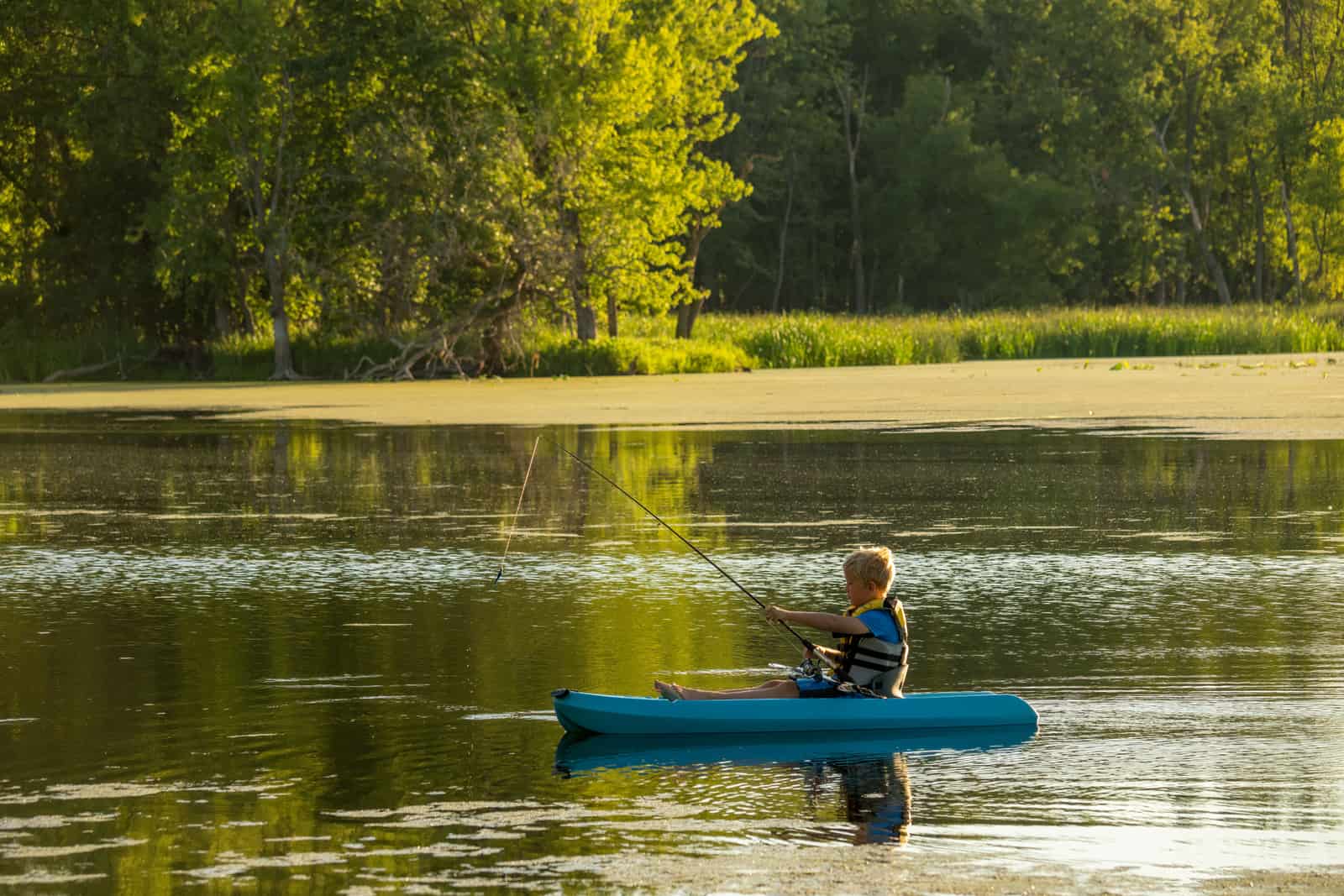
Best Kids' Life Jacket
The Best Life Jackets for Kids Who Paddle
Fitted by weight on the label, never by age. The approved vest for each weight band, the features that matter at each size, and the mistakes that make a vest unsafe.
Top pick
Onyx Youth Life Jacket, 55-88 lb
A child paddling their own kayak or board
#ad · how this is funded · price as of October 18, 2026
Best First Accessory
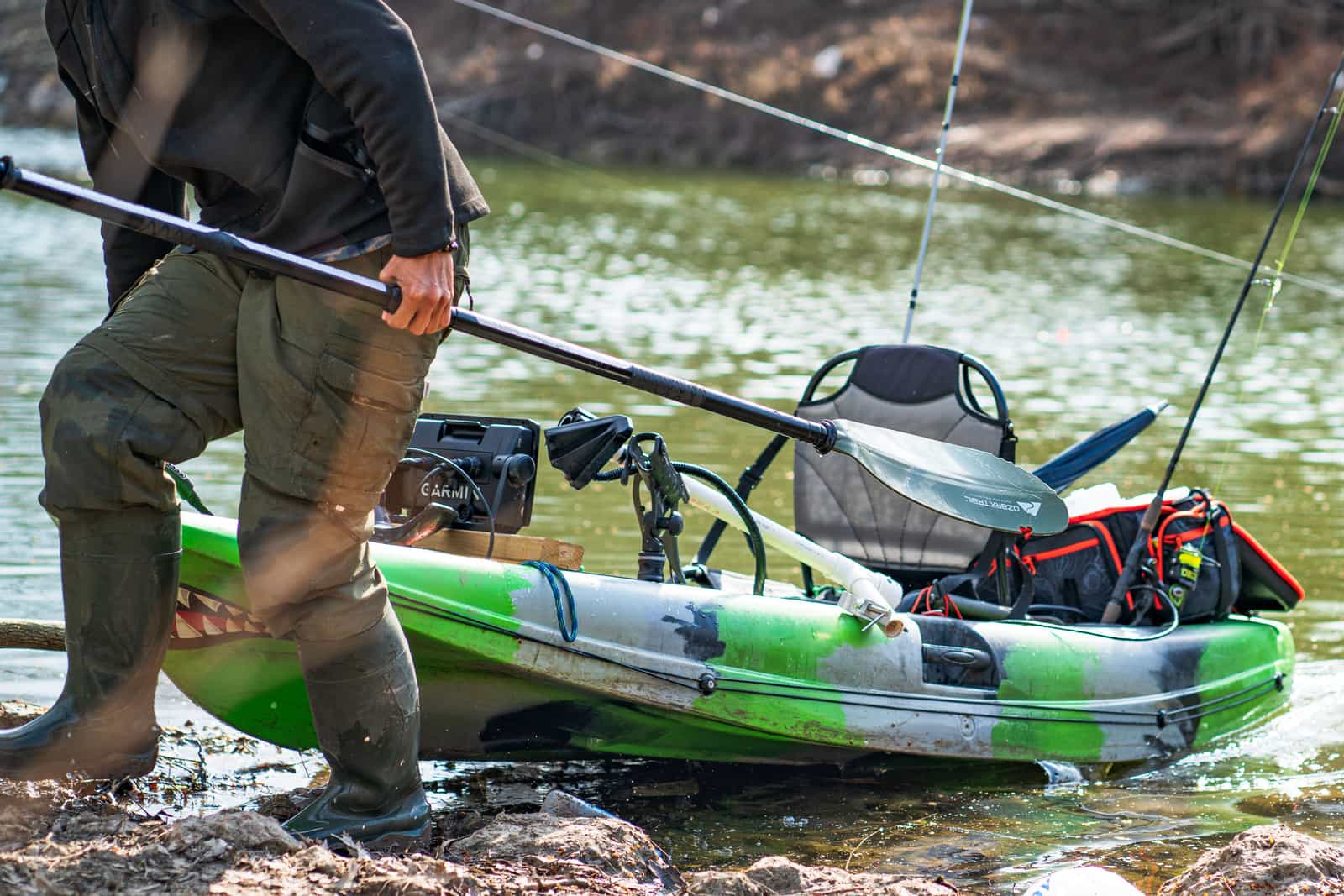
Kayak Accessories: What Actually Earns a Place
Five accessories that change every outing, ranked by how much they improve it per dollar — and the ones you can safely skip for a season.
Top pick
Bending Branches Whisper Kayak Paddle, 230 cm
The first paddle worth keeping
#ad · how this is funded · price as of October 18, 2026
Life Jacket Rules for Paddlers
The federal PFD requirement, the under-13 wear rule, and why your state matters — sourced, not paraphrased.
Top pick
Onyx MoveVent Dynamic Paddle Vest
The PFD you will actually keep on
#ad · how this is funded · price as of October 18, 2026

Your First Time on the Water
What a first outing is actually like, the checklist that matters, and the three mistakes beginners reliably make.
Top pick
Onyx MoveVent Dynamic Paddle Vest
The PFD you will actually keep on
#ad · how this is funded · price as of October 18, 2026

What a First Setup Actually Costs
Every line item in a first setup, including the ones that surprise people — with live prices rather than stale numbers.
Top pick
Perception Tribe 11.5 Sit-on-Top Kayak
The all-round first sit-on-top
#ad · how this is funded · price as of October 18, 2026