Choosing Your First
What a First Setup Actually Costs
The hull is most of it and it is not all of it. Here is every line item, in the order you will need them, with a live price against each rather than a figure typed into a sentence.

We have not paddled these, and we are not going to pretend we have. Here is what we did instead. Links to Amazon earn us a commission at no extra cost to you, and commission never decides a pick — how this site is funded.
| # | Product | Best for | The spec it turns on | Price |
|---|---|---|---|---|
| 1 | 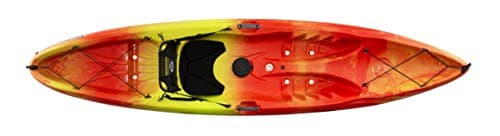 Perception Tribe 11.5 Sit-on-Top KayakTop pickThe combination almost nothing else manages: 350 lb of rating, a 30 in beam and enough waterline to hold a line, in a hull a first-timer can climb back onto from the water. | The all-round first sit-on-top | 137 in long, 30.25 in beam, 52 lb hull, 350 lb rated capacity | |
| 2 | 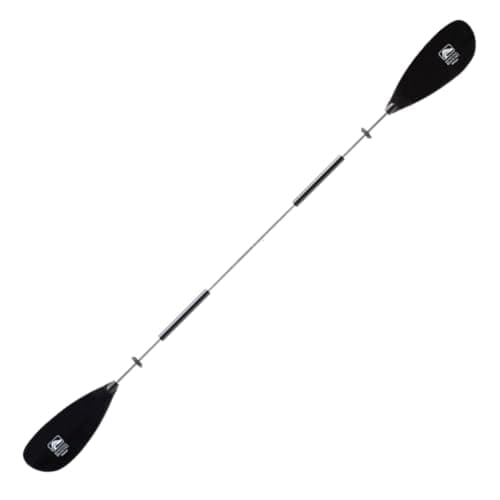 Bending Branches Whisper Kayak Paddle, 230 cm230 cm is the length our formula puts most adults in a 28 to 32 in recreational kayak on, and this is the least expensive paddle at that length made by a company that only makes paddles. | The first paddle worth keeping | 230 cm, two-piece aluminum shaft, polypropylene blades, 0 and 60 degree feathering | |
| 3 | 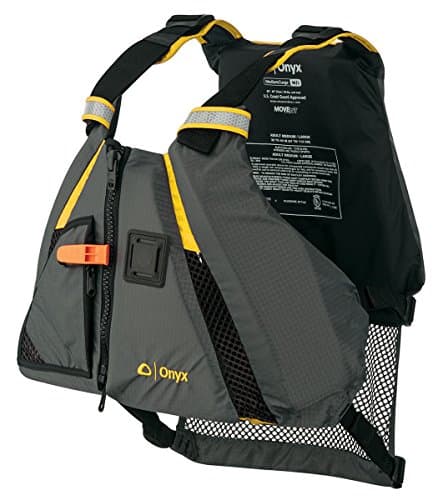 Onyx MoveVent Dynamic Paddle VestA paddling-cut vest with a mesh lower back, which is the design difference that stops a PFD from being pushed up your neck every time you sit against a seat back. | The PFD you will actually keep on | USCG and Transport Canada approved, 90 to 300 lb range, 1.7 lb, ventilated back panel | |
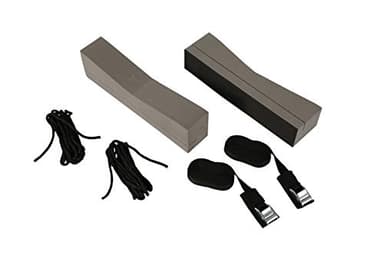
| 4 | 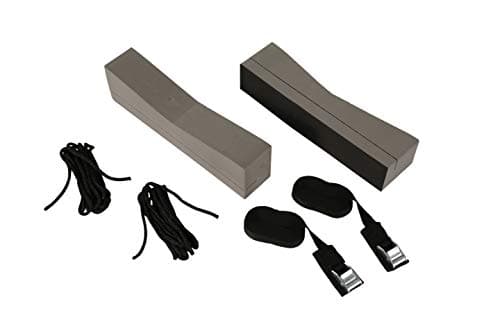 Attwood Universal Rack-Free Car-Top Kayak Carrier KitThe whole no-rack problem solved for the price of a tank of fuel, provided you accept that the straps go through the inside of your car. | A car with no roof bars at all | Foam blocks, cam straps, bow and stern lines, 600 lb load capacity | |
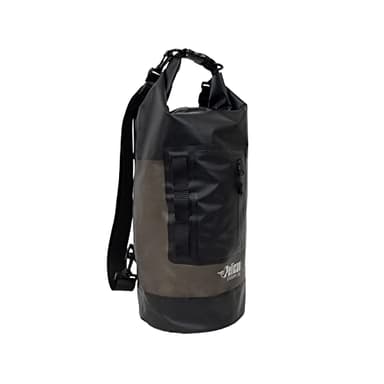
| 5 | 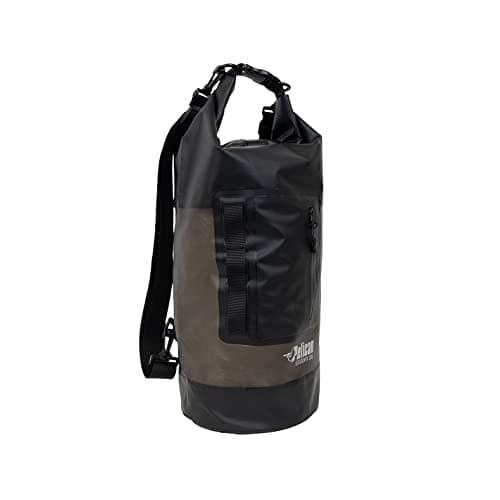 Pelican ExoDry 20L Dry BagTwenty liters is the size that takes a dry layer, a towel, a phone and a lunch -- which is the actual list, rather than the 5 L that only takes a phone. | Keeping the phone, keys and a dry layer dry | 20 L, roll-top closure, shoulder straps, 1.2 lb |
We do not print prices in body copy on this site. A number typed into a sentence is stale within a week and wrong within a month, and a site that recommends things has no business publishing figures it is not checking. Every price on Hull & Paddle comes from a live data layer, renders inside the buy button, and disappears rather than going stale. How that works.
So this page is a list of what you actually need, in the order you will need it, with a live price against each. The point is not to give you a total — it is to make sure nothing on the list is a surprise after you have already spent the money.
A kayak setup: four purchases
1. The hull
The largest line and the only one most people research. Two things to get right: the usable capacity has to clear your loaded weight, and the hull weight has to be something you can actually move.
2. The paddle
Separate on nearly every kayak above the very cheapest. It is not an optional accessory and the length is not a matter of taste — it depends on your height and on the boat's width in equal measure. The calculator, then the picks.
3. The life jacket
A legal requirement, not an accessory. Federal law requires an approved wearable flotation device for every person aboard a recreational vessel, and a kayak is a vessel. If two of you are going out, that is two vests. The rules, the picks.
4. Getting it to the water
The line people forget, and it is the one with the widest range. A foam block kit needs no roof bars at all; J-cradles need bars you may not have; a cart solves the walk from the parking lot rather than the drive. Every option, with the trade-offs.
A paddle board setup: usually two purchases
This is the genuine cost advantage of an inflatable board and it is rarely spelled out. Nearly every inflatable ships as a package — board, paddle, hand pump, leash, fin and bag — so the listing price is close to the total.
What is missing is the life jacket, which is never included and is the same legal requirement it is for a kayak. And there is no transport line at all, because the board goes in a car trunk.
| Line item | Kayak | Inflatable paddle board |
|---|---|---|
| Hull or board | Required | Required |
| Paddle | Separate purchase, usually | In the box |
| Pump | Not needed | In the box |
| Leash | Not needed | In the box |
| Life jacket | Required, never included | Required, never included |
| Transport | Rack, blocks or a cart | None — it fits in a car trunk |
| Dry bag | Strongly recommended | Strongly recommended |
| Storage | 10 to 12 ft of wall | A cupboard |
The five things to buy, with live prices
Below is a complete first kayak setup — hull, paddle, life jacket, a no-rack transport solution and a dry bag. The price on each button is live where our data layer has one and reads 'check price' where it does not, which is a deliberate choice rather than a gap.
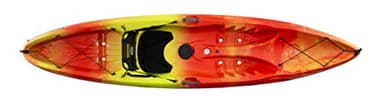
Top pick — The all-round first sit-on-top
Perception Tribe 11.5 Sit-on-Top Kayak
The combination almost nothing else manages: 350 lb of rating, a 30 in beam and enough waterline to hold a line, in a hull a first-timer can climb back onto from the water.
What the listing publishes
137 in long, 30.25 in beam, 52 lb hull, 350 lb rated capacity
Usable at the 65 percent rule: 228 lb (range 210–245 lb), which leaves about 208 lb of paddler after a 20 lb day kit. Why 65 percent.
350 lb rated is about 228 lb usable at 65 percent and 208 lb of paddler after a day kit -- the most headroom of any single boat here, and enough that a 200 lb adult is inside the comfortable band rather than at the edge of it.
Sit-on-top means the deck is open and self-draining. The reason that matters to a beginner is not comfort, it is that remounting from deep water is a maneuver you can actually perform, where a flooded sit-inside cockpit is not.
52 lb is the price. This is at the top of what one person carries any distance, and the reason a cart appears in our cost totals for this boat and not for the Argo.
What it does well
- 350 lb rated capacity gives real headroom for larger adults or a child up front
- Open self-draining deck is the forgiving choice for a first summer
- 137 in of hull tracks far better than the 9 and 10 ft boats here
What it costs you
- 52 lb is a two-person lift onto a roof for most people
- You will get wet. Sit-on-tops always do, and that is a season decision not a design flaw
- 11 ft 5 in needs more storage length than the 10 ft boats
Skip this if you paddle in cold water or a cold shoulder season. An open deck in 55-degree water is a different and less pleasant sport, and a sit-inside is the right answer there.
#ad · how this is funded · price as of October 18, 2026
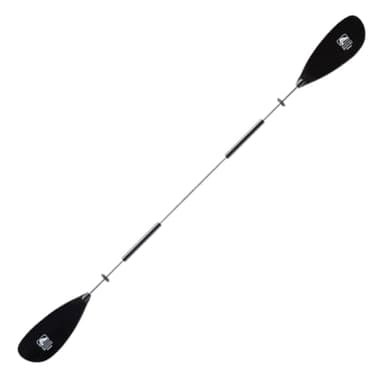
Pick 2 — The first paddle worth keeping
Bending Branches Whisper Kayak Paddle, 230 cm
230 cm is the length our formula puts most adults in a 28 to 32 in recreational kayak on, and this is the least expensive paddle at that length made by a company that only makes paddles.
What the listing publishes
230 cm, two-piece aluminum shaft, polypropylene blades, 0 and 60 degree feathering
230 cm is what 104 + 1.333 x (boat width + your height in inches) returns for a 5 ft 8 in paddler in a 30 in boat. If you are much taller or your boat is much wider, check the chart before you buy this length rather than the paddle.
The 0 and 60 degree feather settings are the useful part. Feathering angles the second blade so it slices through wind instead of catching it, and being able to turn it off while you learn matters more than the setting itself.
An aluminum shaft is cold in the hands in spring and fall, and it is the reason people upgrade. It is not a reason to avoid this paddle as a first one.
What it does well
- 230 cm suits the great majority of recreational kayaks and adult paddlers
- Two feather settings, including flat, which is what a beginner should start with
- Made by a dedicated paddle manufacturer rather than bundled with a boat
What it costs you
- Aluminum shaft is genuinely cold to hold in cool weather
- Polypropylene blades flex more than fiberglass under a hard stroke
- Only two lengths of adjustment -- it is a fixed size, so get the size right
Skip this if our chart puts you at 240 or 250 cm. A wide inflatable kayak or a tall paddler needs more paddle, and the right length in a cheaper paddle beats the wrong length in a better one.
#ad · how this is funded · price as of October 18, 2026
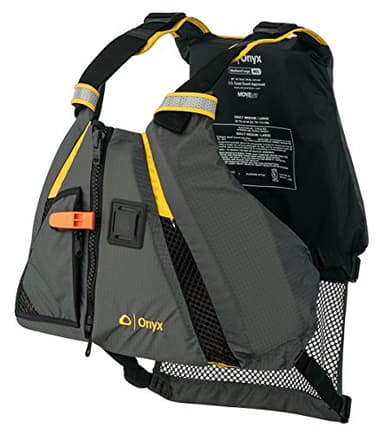
Pick 3 — The PFD you will actually keep on
Onyx MoveVent Dynamic Paddle Vest
A paddling-cut vest with a mesh lower back, which is the design difference that stops a PFD from being pushed up your neck every time you sit against a seat back.
What the listing publishes
USCG and Transport Canada approved, 90 to 300 lb range, 1.7 lb, ventilated back panel
The U.S. Coast Guard requires a wearable approved PFD for every person aboard a recreational vessel, and requires children under 13 to wear one while under way. Kayaks, canoes and paddle boards count as vessels. Carrying it satisfies the law for adults; wearing it is what actually works.
The 90 to 300 lb rating on the listing is a chest-size and buoyancy fit range, not a capacity. Get the size right -- a PFD that rides up when you lift your arms is one you will take off.
The ventilated back panel exists because kayak seats have backrests. A flat-backed general-purpose vest and a seat back fight each other for the same space, and the vest loses.
What it does well
- Cut for paddling, so the lower back clears a kayak seat
- Ventilated panel makes it bearable in real summer heat
- USCG and Transport Canada approved, which is the only certification that counts
What it costs you
- Costs several times a general-purpose orange vest
- Sized ranges mean you must check the fit chart, not just buy a Medium
- Mesh back panels snag on rough gear
Skip this if this is a once-a-year rental-style outing. A cheap approved vest is legally identical and the comfort argument only pays off with hours in it.
#ad · how this is funded · price as of October 18, 2026
Pick 4 — A car with no roof bars at all
Attwood Universal Rack-Free Car-Top Kayak Carrier Kit
The whole no-rack problem solved for the price of a tank of fuel, provided you accept that the straps go through the inside of your car.
What the listing publishes
Foam blocks, cam straps, bow and stern lines, 600 lb load capacity
Rack-free kits work by passing cam straps through the open doors and cinching them over the hull. That is secure and it means your doors cannot be opened while the boat is on -- plan the loading order.
Bow and stern lines are not optional decoration on a rack-free setup. Without them a hull can lift and pivot at highway speed, and the straps alone will not stop it.
The 600 lb load figure is a strap rating, not a permission slip: your car's roof load limit is the real ceiling and it is usually between 100 and 165 lb.
What it does well
- Turns any car with a roof into a kayak carrier for very little money
- Includes the bow and stern lines that make it safe rather than just tight
- Packs into a boot when not in use
What it costs you
- Straps run through the cabin, so doors stay shut while loaded
- Slower to fit than a proper cradle every single trip
- Wind noise through the cabin seals is real and constant
Skip this if you already have factory crossbars. Cradles are faster, quieter and hold the hull in a shape it likes.
#ad · how this is funded · price as of October 18, 2026
Pick 5 — Keeping the phone, keys and a dry layer dry
Pelican ExoDry 20L Dry Bag
Twenty liters is the size that takes a dry layer, a towel, a phone and a lunch -- which is the actual list, rather than the 5 L that only takes a phone.
What the listing publishes
20 L, roll-top closure, shoulder straps, 1.2 lb
Roll-top closure is the whole mechanism. Three folds and a clip, and it is watertight; two folds and it is a bag with a hole in it. Roll it properly.
20 L is the useful size for a day. 5 L bags are for a phone and a wallet, and 30 L bags do not fit through a kayak hatch.
It floats when it is sealed and mostly full of soft goods, which is a genuine safety feature the day something goes over the side.
What it does well
- 20 L is the size that actually holds a day's kit
- Roll-top and clip, so there is no zip to fail
- Shoulder straps for the walk from the car
What it costs you
- Roll-tops are only waterproof if you roll them three times
- Wide bags can be awkward through a small kayak hatch
- No structure, so hard objects poke through against your back
Skip this if you only need to keep a phone dry. A 5 L bag or a phone case is a fraction of the price and easier to stow.
#ad · how this is funded · price as of October 18, 2026
The costs people forget
- **A second life jacket**, the first time someone comes with you. The requirement is per person aboard, not per boat.
- **A cart**, if the walk from the parking lot is more than a hundred yards and the boat is over about 45 lb. Why carry weight and distance multiply.
- **A better paddle**, in year two. The one that came with a cheap boat is a starter part, and this is the upgrade people notice most.
- **An electric pump**, if you own an inflatable and launch more than a couple of times a month. Whether it is worth it.
- **State registration.** Several states register non-motorized paddlecraft. It is usually a small annual fee and it varies — check your own state's boating agency.
- **Roof bars**, if you buy J-cradles without checking whether your car has them. This is the most expensive version of this mistake.
Where to spend and where not to
| Item | Worth spending on? | Why |
|---|---|---|
| The hull or board | Up to a point | Capacity and width matter enormously; brand and finish much less |
| The life jacket | Yes | A cheap approved vest floats you identically — but comfort decides whether you wear it |
| The paddle | Length first, then money | The right length in a cheap paddle beats the wrong length in a good one |
| Transport | Buy what fits your car | A foam block kit is a fraction of a rack system and works |
| Dry bag | No | 20 L, roll-top, done. There is nothing to pay extra for |
| Pump | Only if you launch often | The one in the box works. It is slow, not broken |
Questions people actually ask
How much does a beginner kayak setup cost?
Do paddle boards come with everything you need?
What do I need to buy with a kayak?
Is it cheaper to buy a kayak or a paddle board?
Can you kayak without a life jacket?
Where these numbers came from
Every figure on this page traces to one of these. Where a number could not be sourced, the page says so rather than estimating it.
- U.S. Coast Guard — Life Jacket Wear / Wearing Your Life Jacket (federal carriage and under-13 wear requirements)
- Eddyline Kayaks — Maximum weight capacity versus ideal capacity for various styles of kayaks (manufacturer, states the 60-70% ideal-capacity band)
- Perception Tribe 11.5 Sit-on-Top Kayak — manufacturer specification as published on the Amazon listing, read 2026-09-02
- Bending Branches Whisper Kayak Paddle, 230 cm — manufacturer specification as published on the Amazon listing, read 2026-09-02
- Onyx MoveVent Dynamic Paddle Vest — manufacturer specification as published on the Amazon listing, read 2026-09-02
- Attwood Universal Rack-Free Car-Top Kayak Carrier Kit — manufacturer specification as published on the Amazon listing, read 2026-09-02
Read next
Tandem Kayak or Two Single Kayaks?
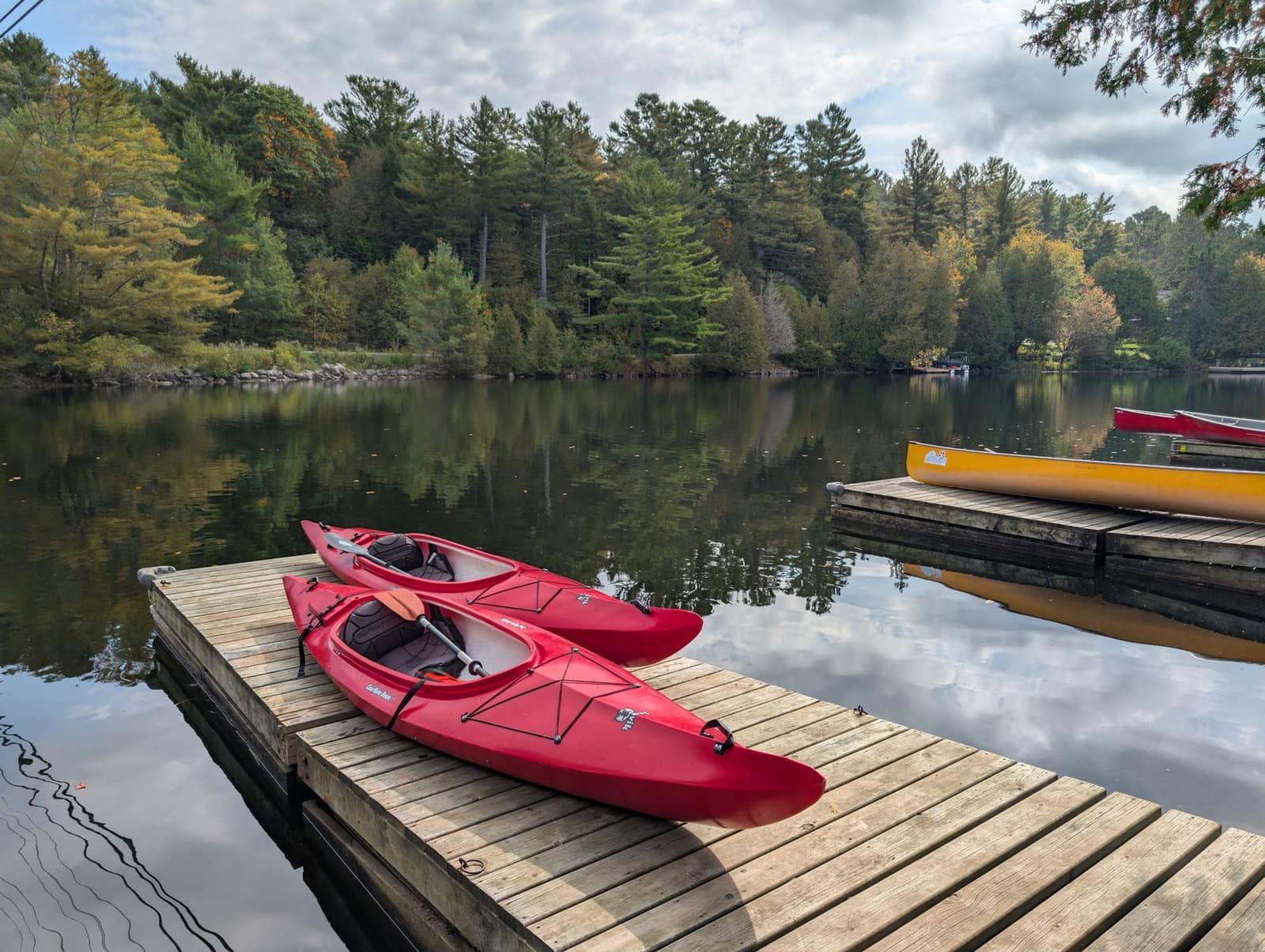
One boat or two? Decided on carry weight, storage length and whether you will ever paddle alone — with the capacity arithmetic that tandem listings leave out.
Top pick
Perception Rambler 13.5 Tandem Sit-on-Top Kayak
Two adults plus a child or a dog
#ad · how this is funded · price as of October 18, 2026

Best Under $500
The Best Kayaks Under $500
Under $500 is where a real hard-shell hull just becomes possible. What the bracket buys, which boats sit either side of the line, and the one to avoid.
Top pick
Pelican Seek 100X Sit-on-Top Kayak, 10 ft
A sit-on-top that still fits a small car
#ad · how this is funded · price as of October 18, 2026

Best Budget Board
The Best Budget Paddle Boards
The entry-tier boards where the compromise is one you can live with — a missing spec, a narrower deck, a starter paddle — named per board so you choose the right one.
Top pick
Roc Inflatable Stand Up Paddle Board, 10 ft 6 in x 33 in
The default first inflatable board
#ad · how this is funded · price as of October 18, 2026
Should You Rent or Buy Your First Kayak?
Rental breaks even against a starter kayak in about four to six outings. The math, plus the three cases where renting is genuinely the better call.
Top pick
Lifetime Lotus Sit-on-Top Kayak, 8 ft (paddle included)
The cheapest complete way onto flat water
#ad · how this is funded · price as of October 18, 2026
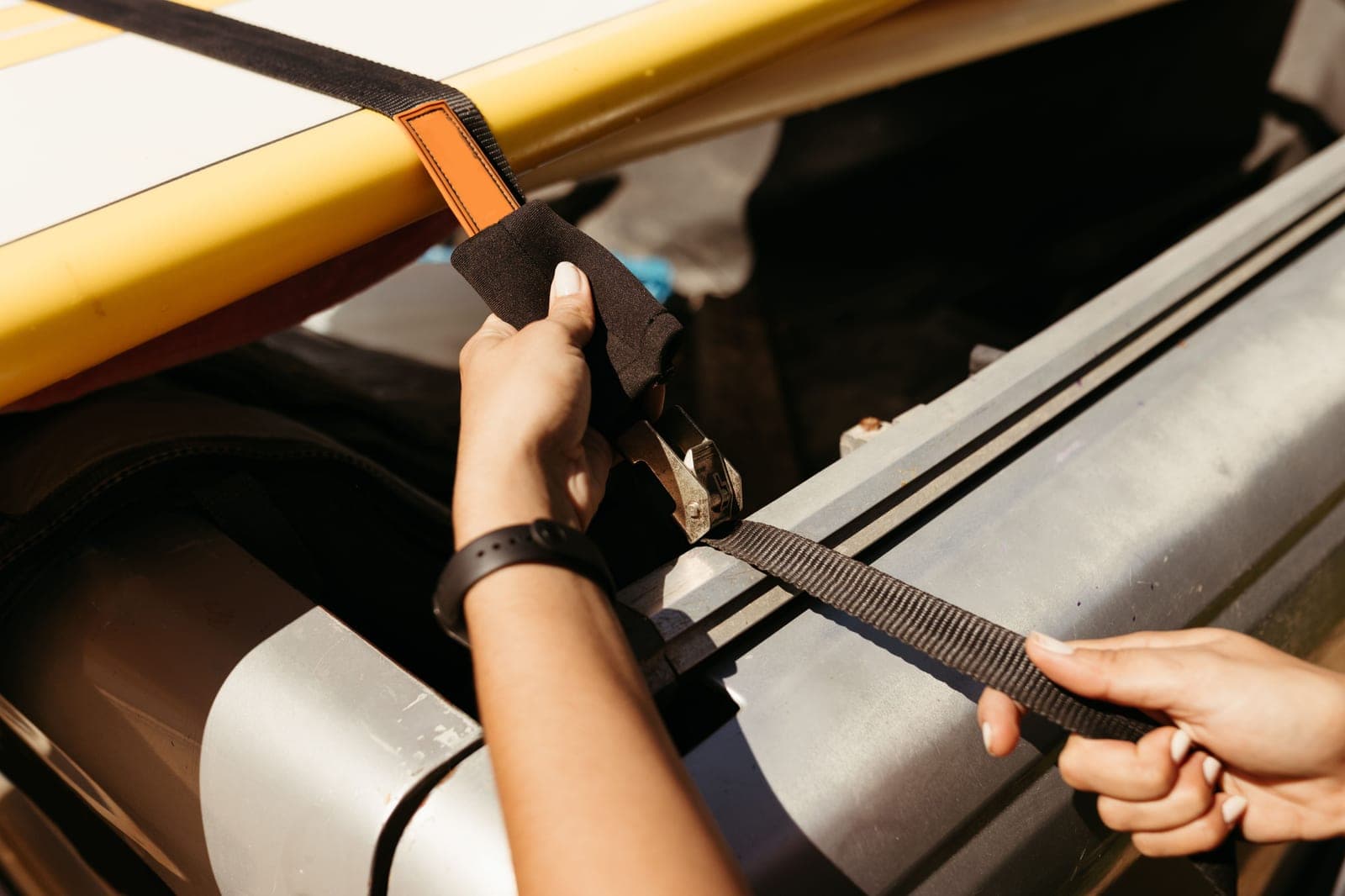
Getting Your Kayak to the Water
Four ways to move a kayak, including one that needs no roof bars and one that removes the problem entirely.
Top pick
Attwood Universal Rack-Free Car-Top Kayak Carrier Kit
A car with no roof bars at all
#ad · how this is funded · price as of October 18, 2026
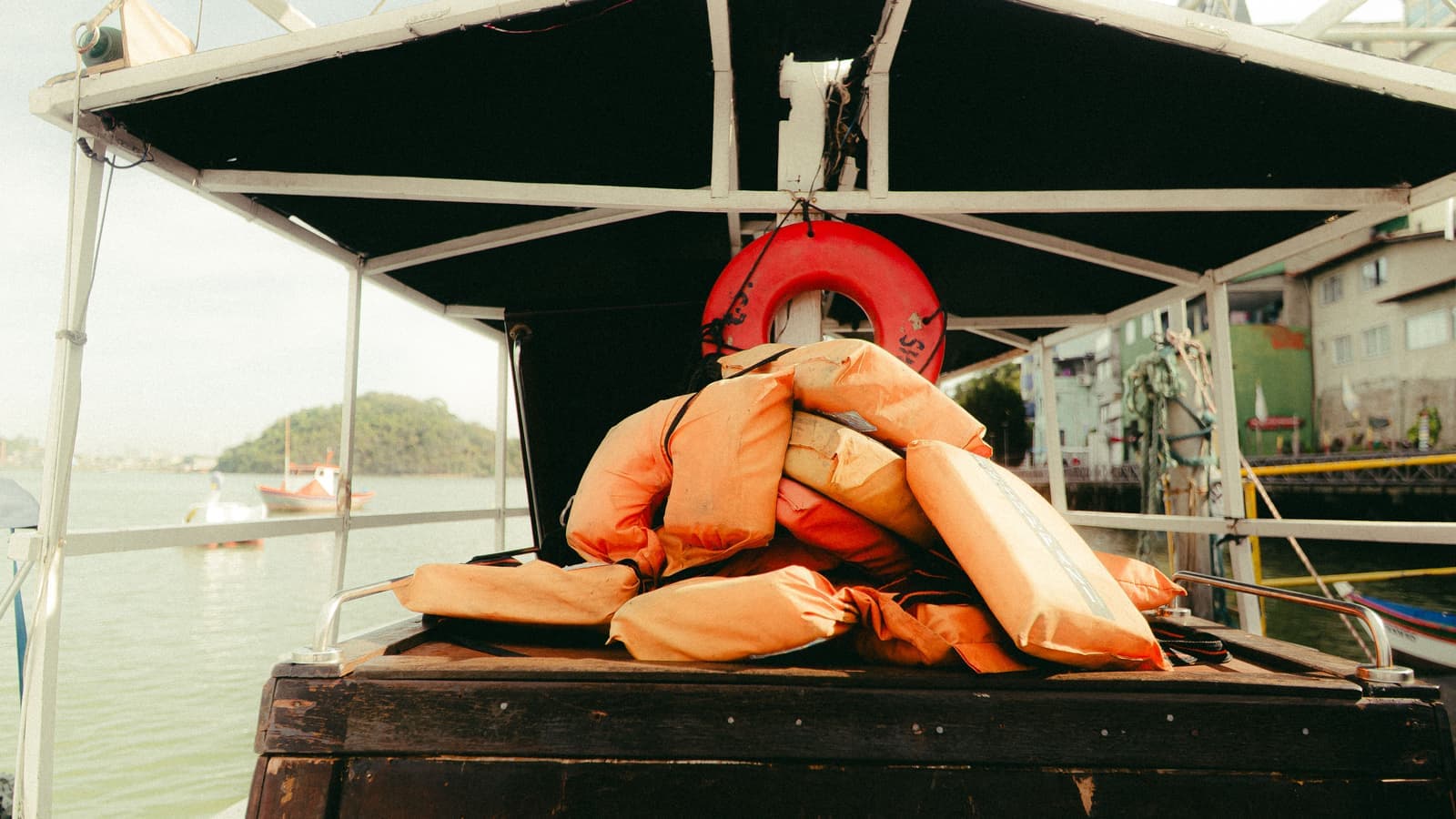
Best Life Jacket
The Best Life Jackets for Paddling
Approved vests compared on cut and comfort — the variables that decide whether it stays on.
Top pick
Onyx MoveVent Dynamic Paddle Vest
The PFD you will actually keep on
#ad · how this is funded · price as of October 18, 2026