Choosing Your First
Choosing Your First Board or Boat
Four questions come before any product decision, and they are the four nobody answers for you: which craft, what it really costs, how it gets to the water, and what happens when you push off.

The order in which people research a first purchase is almost always wrong. They start with products, narrow to a shortlist, buy, and then discover the boat does not fit on the car, or that the total was half as much again as the listing price, or that the thing they actually wanted was the other kind of craft entirely.
This section is the four questions in the order that saves the most time and money.
One: which craft?
A paddle board and a kayak are more different than they look. A board is simpler, stores in a cupboard, and is more physically demanding. A boat carries more, keeps you drier, handles wind far better and needs somewhere to live.
We earn the same commission either way, which is worth stating explicitly on a page whose job is to send you toward one of them. Nothing here is steering you. The full comparison.
Two: what does it actually cost?
The hull or the board is most of it, and it is not all of it. A life jacket is a legal requirement rather than an accessory. A paddle is separate on almost every kayak. A way to get it to the water is a real cost with a real number, and it is the one that surprises people.
We add up every line item, with a live price against each one rather than a figure typed into a sentence that will be wrong next week.
Three: how does it get to the water?
This is the question that turns a purchase into a regret. A 12 foot hard-shell kayak needs a roof rack, straps, a loading routine and somewhere to store it — and if any of those is missing, the boat does not get used.
There are more options than most people realize, including foam block kits that need no roof bars at all, and the inflatable route that removes the problem entirely. All of them, with the trade-offs.
Four: what happens on the first outing?
Very little goes wrong on flat water in warm weather with a life jacket on. The things that do go wrong are predictable, and knowing about them in advance is most of the difference between a good first afternoon and a discouraging one.
What to expect, and the short list that actually matters.
And the questions that come up next
- **Are the warehouse-store boards any good?** The honest verdict, and it is not the one you would expect from a site with affiliate links.
- **What about the kayaks at Walmart?** Same treatment — some of them are genuinely fine and the reason why is specific.
- **Kayak or canoe?** A real comparison, because a canoe is the better answer more often than the internet suggests.
- **Where do I keep it?** Storage, off-season and apartment options.
- **Do I legally need a life jacket?** Yes, and here is the actual regulation rather than a paraphrase.
How this section is written
We have not paddled any of the equipment we recommend. What we have done is read the manufacturers' published specifications and the federal regulations, run the arithmetic, and show the working on every page.
For the safety and legal content specifically, every claim is sourced to the U.S. Coast Guard or the named agency, dated, and accompanied by an instruction to check your own state — because those rules genuinely vary and nothing on this subject is written from memory. The full methodology.
Every page in this section

Paddle Board or Kayak?
The honest board-versus-boat comparison, from a site that earns identically either way.
Top pick
Roc Inflatable Stand Up Paddle Board, 10 ft 6 in x 33 in
The default first inflatable board
#ad · how this is funded · price as of October 18, 2026

What a First Setup Actually Costs
Every line item in a first setup, including the ones that surprise people — with live prices rather than stale numbers.
Top pick
Perception Tribe 11.5 Sit-on-Top Kayak
The all-round first sit-on-top
#ad · how this is funded · price as of October 18, 2026
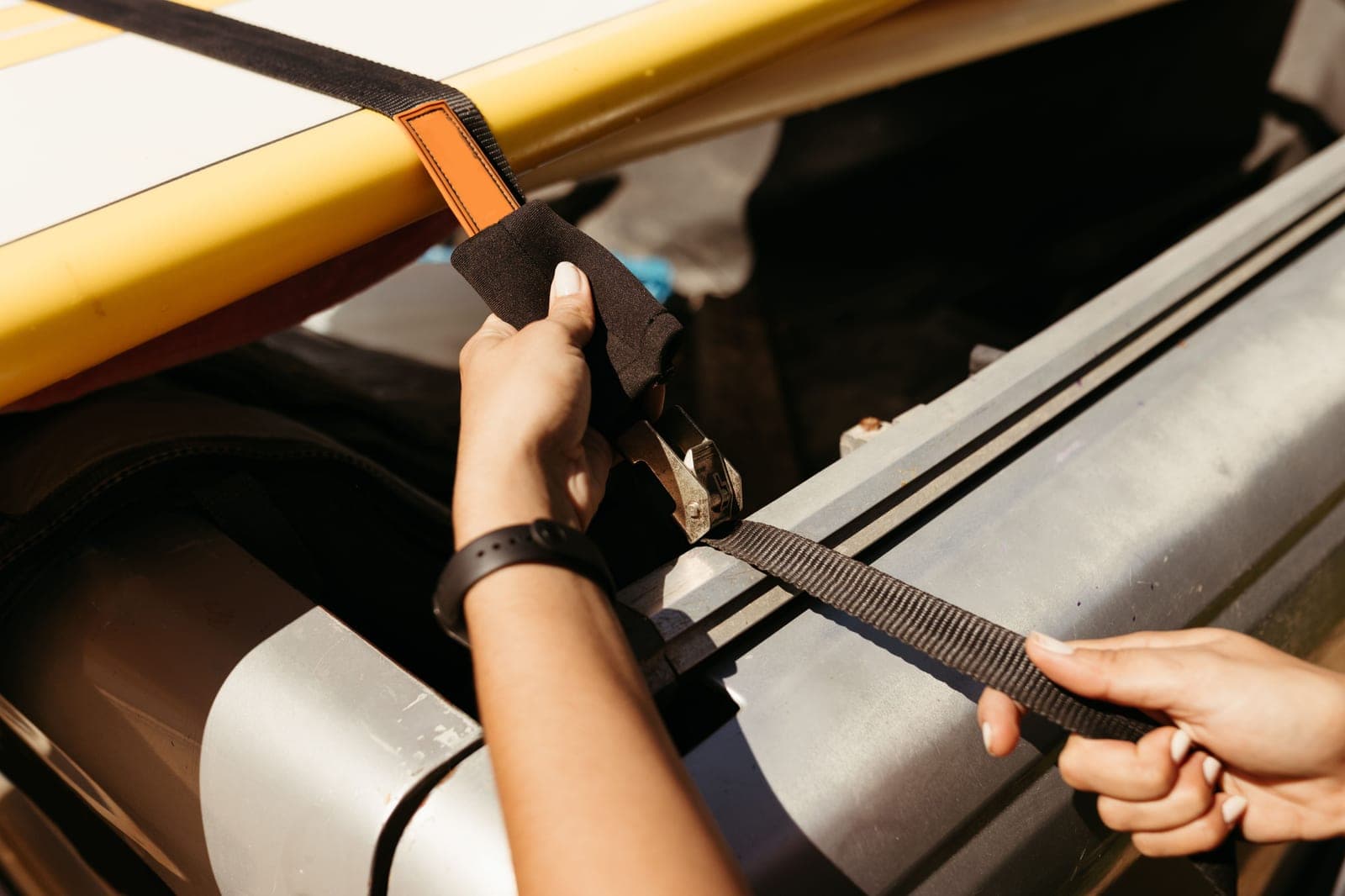
Getting Your Kayak to the Water
Four ways to move a kayak, including one that needs no roof bars and one that removes the problem entirely.
Top pick
Attwood Universal Rack-Free Car-Top Kayak Carrier Kit
A car with no roof bars at all
#ad · how this is funded · price as of October 18, 2026

Your First Time on the Water
What a first outing is actually like, the checklist that matters, and the three mistakes beginners reliably make.
Top pick
Onyx MoveVent Dynamic Paddle Vest
The PFD you will actually keep on
#ad · how this is funded · price as of October 18, 2026
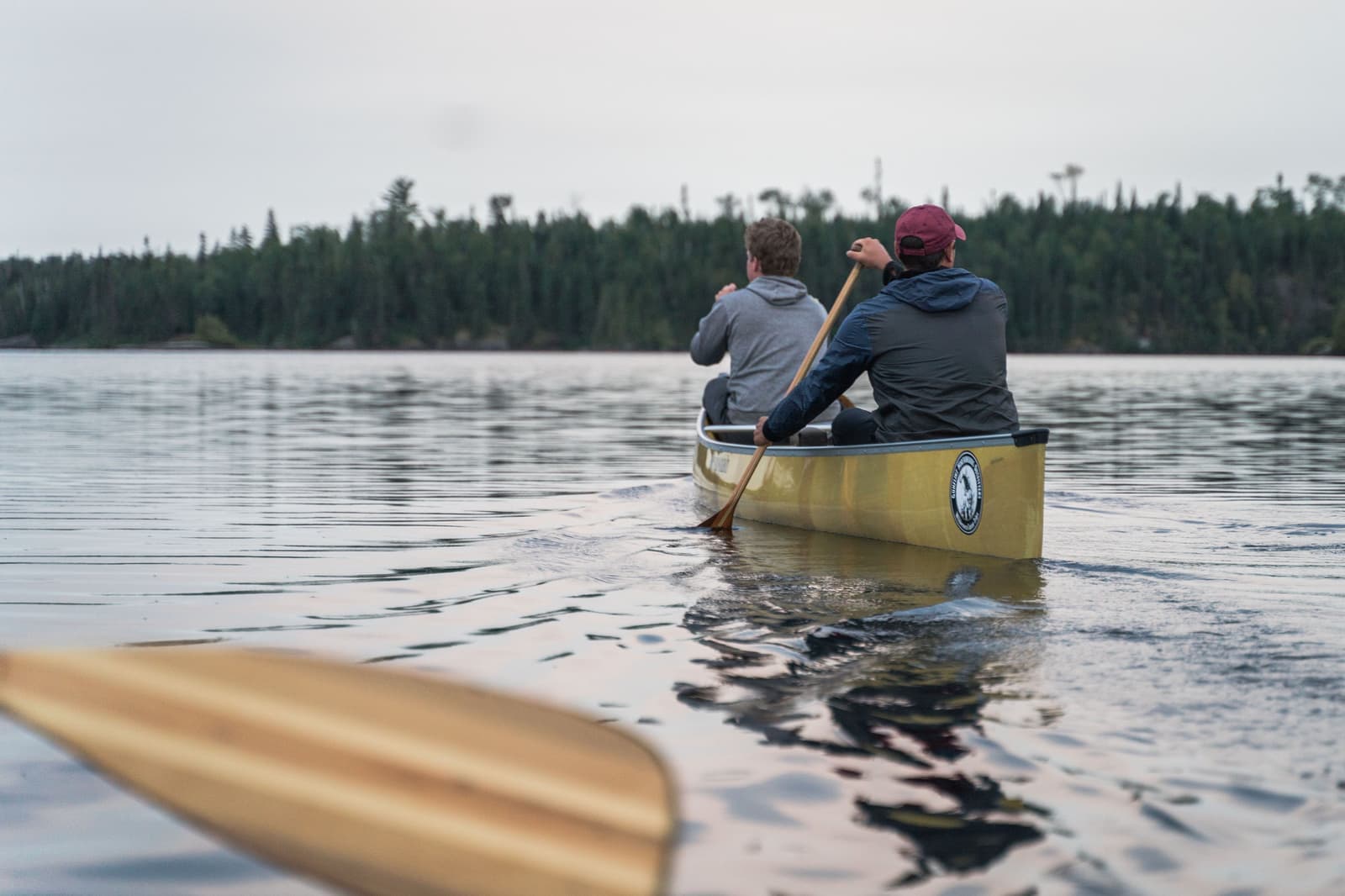
Kayak or Canoe?
The canoe is the better answer more often than the internet allows. Where each one genuinely wins.
Top pick
Perception Rambler 13.5 Tandem Sit-on-Top Kayak
Two adults plus a child or a dog
#ad · how this is funded · price as of October 18, 2026

Are Costco Paddle Boards Worth It?
Warehouse-store boards are usually fine, and here are the two specs that tell you whether this one is.
Top pick
Roc Inflatable Stand Up Paddle Board, 10 ft 6 in x 33 in
The default first inflatable board
#ad · how this is funded · price as of October 18, 2026

Are Walmart Kayaks Worth Buying?
Big-box kayaks are usually the same brands you find online. The capacity rating decides it, not the retailer.
Top pick
Lifetime Cruze 100 Sit-In Kayak, 10 ft
The cheapest hard-shell sit-inside worth owning
#ad · how this is funded · price as of October 18, 2026
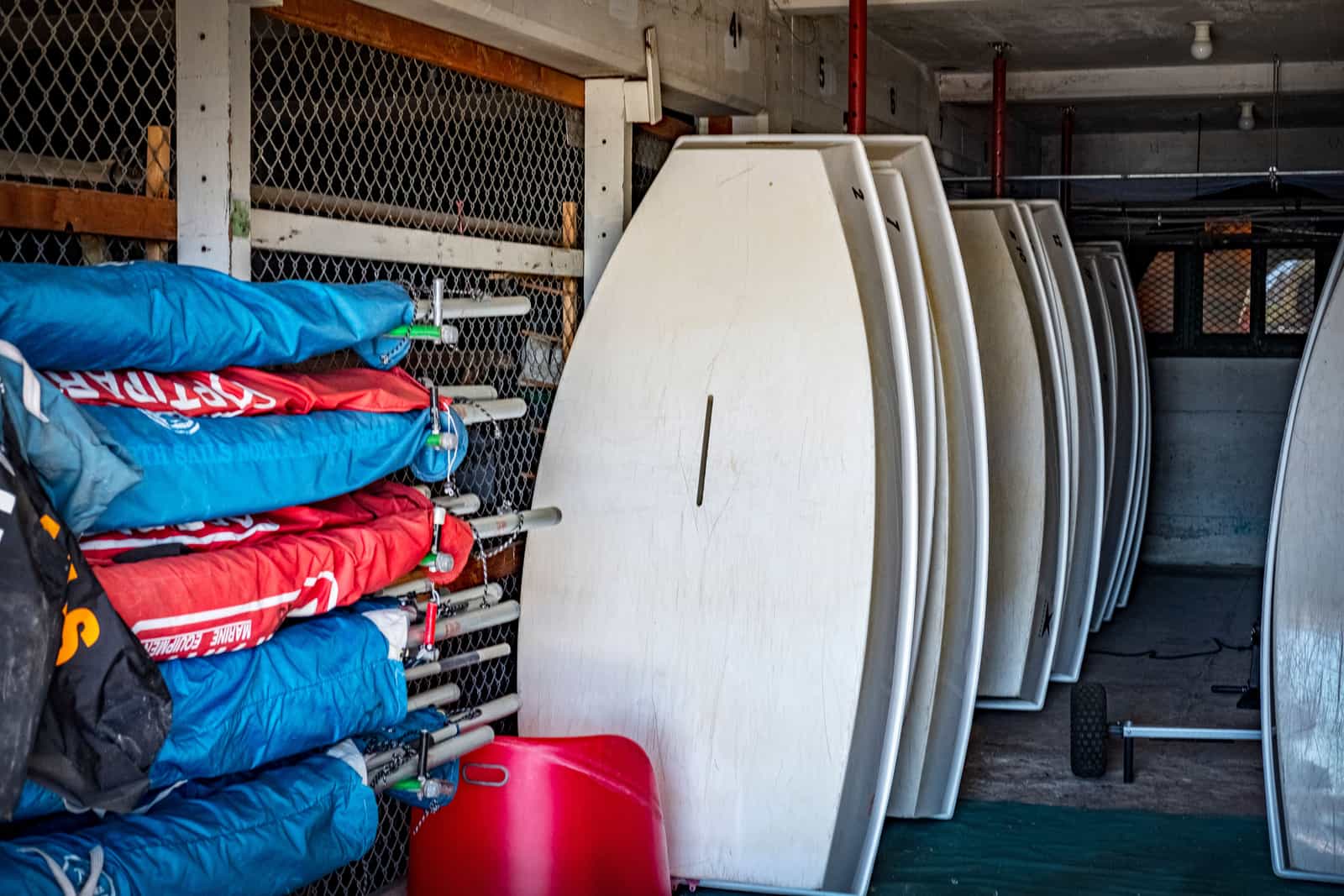
Where to Keep a Kayak or Paddle Board
Where to put it, how to avoid deforming the hull, and what the off-season actually requires.
Top pick
Roc Inflatable Stand Up Paddle Board, 10 ft 6 in x 33 in
The default first inflatable board
#ad · how this is funded · price as of October 18, 2026
Life Jacket Rules for Paddlers
The federal PFD requirement, the under-13 wear rule, and why your state matters — sourced, not paraphrased.
Top pick
Onyx MoveVent Dynamic Paddle Vest
The PFD you will actually keep on
#ad · how this is funded · price as of October 18, 2026
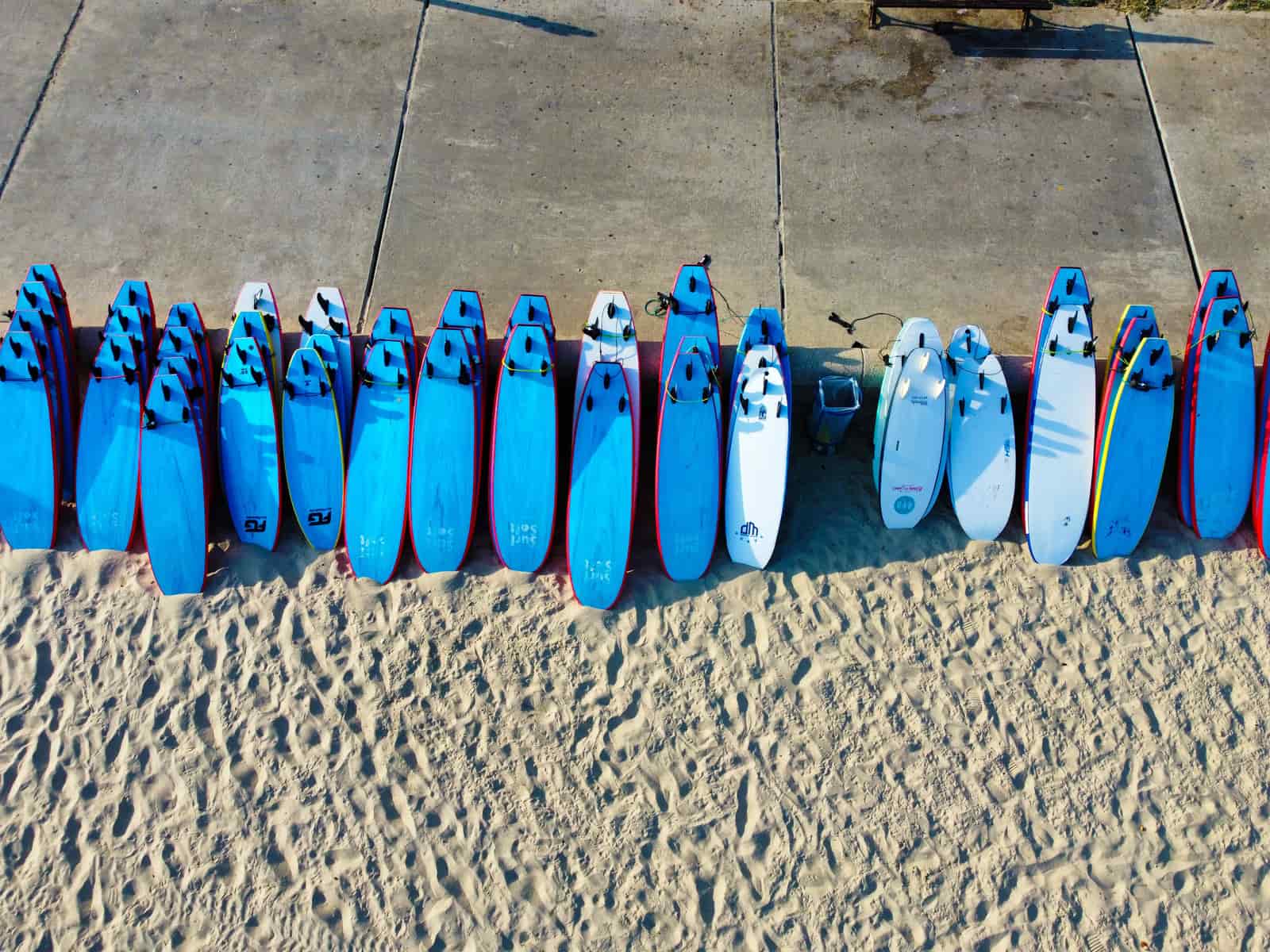
Paddle Board vs Surfboard
Two boards built to opposite specifications. Volume and width explain why neither substitutes for the other.
Top pick
Roc Inflatable Stand Up Paddle Board, 10 ft 6 in x 33 in
The default first inflatable board
#ad · how this is funded · price as of October 18, 2026

Buying a Paddle Board on Amazon
How to read an Amazon board listing: the three specs that decide it, the two that are usually missing, and what the review count is not telling you.
Top pick
Roc Inflatable Stand Up Paddle Board, 10 ft 6 in x 33 in
The default first inflatable board
#ad · how this is funded · price as of October 18, 2026

Should You Rent or Buy Your First Kayak?
Rental breaks even against a starter kayak in about four to six outings. The math, plus the three cases where renting is genuinely the better call.
Top pick
Lifetime Lotus Sit-on-Top Kayak, 8 ft (paddle included)
The cheapest complete way onto flat water
#ad · how this is funded · price as of October 18, 2026

Paddle Board vs Canoe
A canoe carries a family and a week of gear. A board carries you. Which one fits, and why most people asking are really asking something else.
Top pick
Roc Inflatable Stand Up Paddle Board, 10 ft 6 in x 33 in
The default first inflatable board
#ad · how this is funded · price as of October 18, 2026
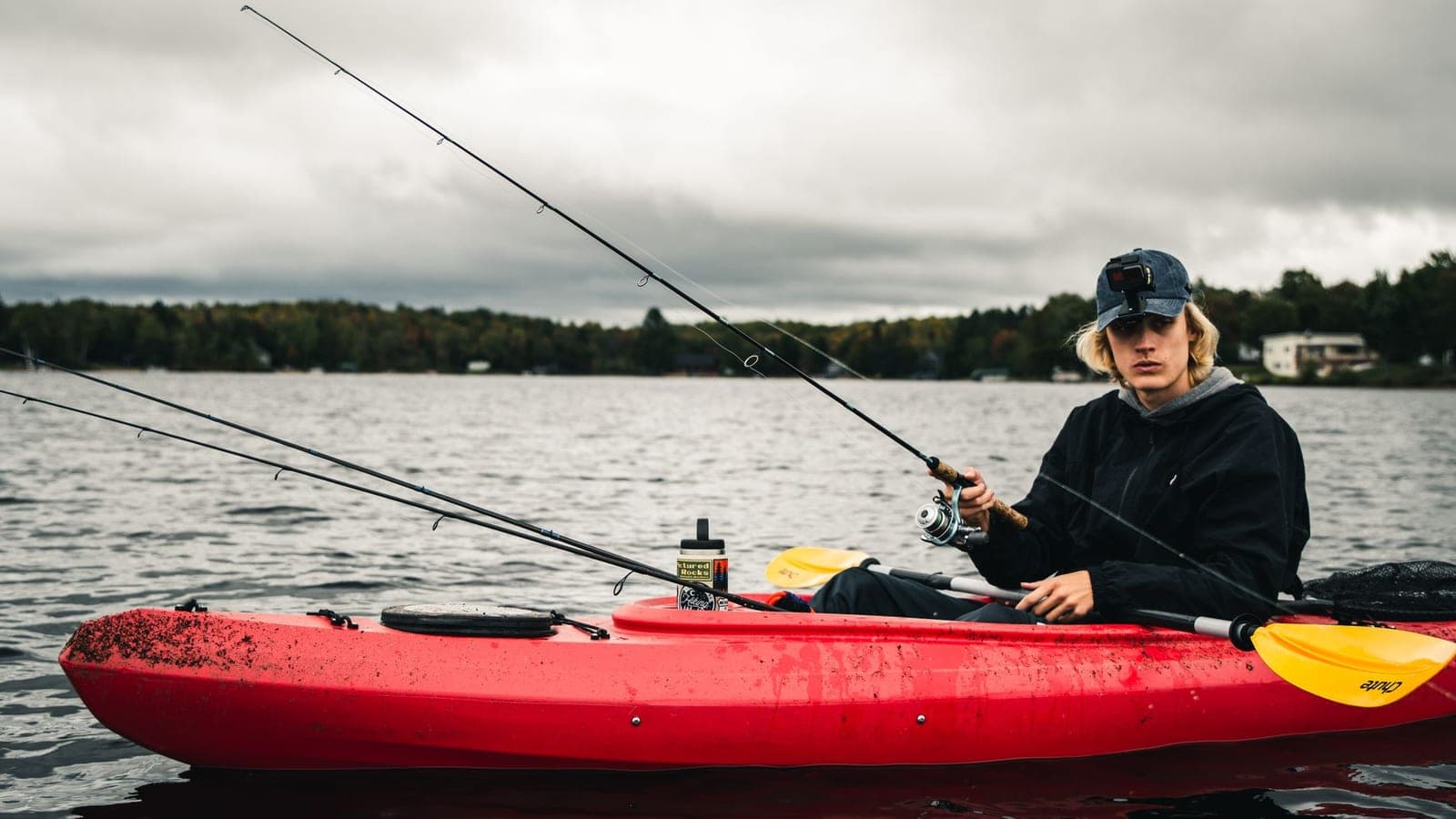
Kayak or Paddle Board for Fishing?
A kayak for most anglers, a board for shallow warm sight-fishing. Six criteria judged head to head, with a pick on each side.
Top pick
Perception Tribe 11.5 Sit-on-Top Kayak
The all-round first sit-on-top
#ad · how this is funded · price as of October 18, 2026

Can You Kayak If You Can't Swim?
Yes, under four conditions. Why the vest matters more than the stroke, which hull to choose, and the honest limits.
Top pick
Onyx MoveVent Dynamic Paddle Vest
The PFD you will actually keep on
#ad · how this is funded · price as of October 18, 2026
Questions people actually ask
Should I get a kayak or a paddle board first?
What do I need to buy besides the kayak?
Do I need a roof rack for a kayak?
Is kayaking or paddle boarding harder?
What is the cheapest way to get on the water?
Where these numbers came from
Every figure on this page traces to one of these. Where a number could not be sourced, the page says so rather than estimating it.
- U.S. Coast Guard — Life Jacket Wear / Wearing Your Life Jacket (federal carriage and under-13 wear requirements)
- U.S. Coast Guard — Recreational Boaters (federal equipment requirements for vessels, paddlecraft included)
- Eddyline Kayaks — Maximum weight capacity versus ideal capacity for various styles of kayaks (manufacturer, states the 60-70% ideal-capacity band)
- Thurso Surf — What Size Paddle Board Is Right for You (manufacturer, states the weight-in-kg x 2 volume rule and the 32 in beginner width band)
Why there is nothing to buy on this page: This section exists to answer the questions that come before a purchase. The pages below each end in a recommendation with a live buy link where one is genuinely warranted.