Kayaks
The Best Sit-In Kayaks (November 2026)
A cockpit buys you two things an open deck cannot: your legs out of the wind, and somewhere dry to put what you brought. It costs you the one thing that matters most if you capsize.

We have not paddled these, and we are not going to pretend we have. Here is what we did instead. Links to Amazon earn us a commission at no extra cost to you, and commission never decides a pick — how this site is funded.
| # | Product | Best for | The spec it turns on | Price |
|---|---|---|---|---|
| 1 | 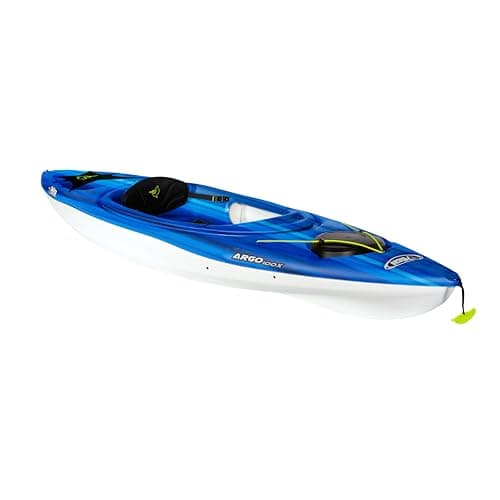 Pelican Argo 100X Sit-In Kayak, 10 ftTop pickThirty-six pounds is the number that matters here: it is the only 10-footer on this page one average adult can get off a car roof without a second person or a bad decision. | The lightest sit-inside to carry alone | 120 in long, 28 in beam, 36 lb hull, 275 lb rated capacity | |
| 2 | 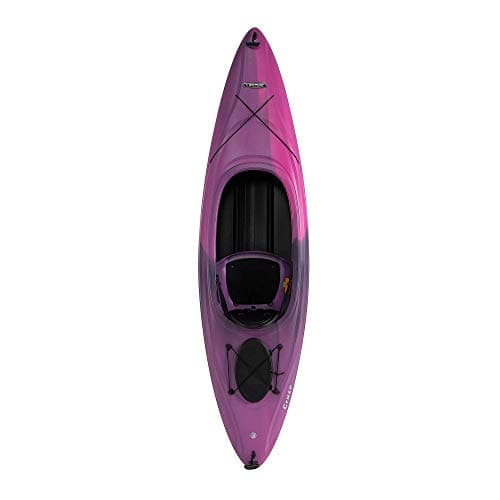 Lifetime Cruze 100 Sit-In Kayak, 10 ftA 30 in beam on a budget hull is the trade worth having: you give up ten pounds of carry weight against the Argo and get back the width that keeps a nervous paddler upright. | The cheapest hard-shell sit-inside worth owning | 120 in long, 30 in beam, 46 lb hull, 275 lb rated capacity | |
| 3 | 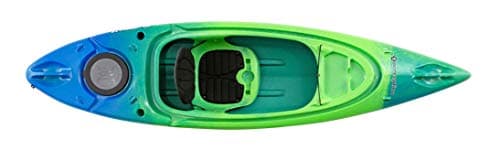 Perception Flash 9.5 Sit-Inside KayakA 325 lb rating in a hull under ten feet is unusual, and it is what makes this the short-boat answer for a larger paddler who still has to store it in an apartment. | The most capacity in the shortest hull | 113 in long, 28.5 in beam, 41 lb hull, 325 lb rated capacity | |
| 4 | 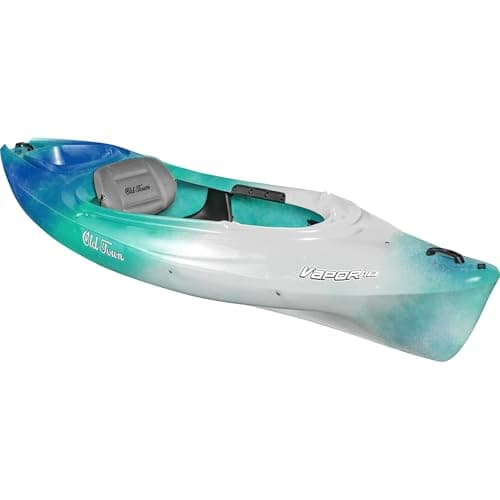 Old Town Vapor 10 Solo Sit-Inside Kayak, 10 ftThe large cockpit is the point. A sit-inside is intimidating to get into for exactly one reason -- the hole is small -- and this one is not. | A first boat with a large, easy-entry cockpit | 10 ft, 325 lb rated capacity | |
| 5 | 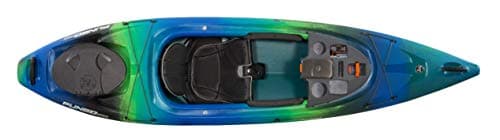 Wilderness Systems Pungo 105 Recreational Kayak, 10 ft 6 inThe only hull here that will still feel right in year three, because the seat and the waterline were designed for people who paddle for three hours rather than forty minutes. | The boat you keep after your first season | 126 in long, 30 in beam, 47 lb hull, 300 lb rated capacity |
If you have read our sit-on-top versus sit-inside page and landed on the cockpit, this is the page that follows. It ranks the five sit-insides we cover against each other rather than against an open-deck boat, on the three figures their own listings publish: beam, hull weight and rated capacity.
First, what a cockpit is actually for, because the usual framing -- that sit-insides are the serious kayaks and sit-on-tops are the toys -- is wrong and unhelpful. A cockpit does three real things. It puts your legs inside the hull and out of the wind, which is worth a surprising amount on a cool morning. It gives you a dry place to put a phone, a layer and lunch. And it lets you brace your knees against the hull, which is how a paddler eventually makes a boat lean on purpose rather than by accident.
How we judged these
- **Hull weight first, which is unusual for us and deliberate here.** Every boat on this page is a rotomolded hard shell between 36 and 47 lb. There is no inflatable escape hatch in this form factor, so the carrying problem is real for all five and it is the thing most likely to decide how often the boat is used.
- **Then rated capacity, through the 65 percent rule.** Sit-insides on this page run 275 to 325 lb rated, a narrower band than the sit-on-tops, and the bottom of it rules out more adults than people expect.
- **Then beam.** 28 to 30 in across these five. Two inches sounds like nothing and is the difference between a boat that feels twitchy for an hour and one that does not.
- **Then the cockpit itself.** Opening size is the specification nobody publishes and everybody notices, so where a maker describes it we say so, and where they do not we do not invent a measurement.
- **Price last, and named honestly.** The spread across this page is wide, and the most expensive boat here is genuinely the nicest to sit in. Whether that is worth two and a half times the cheapest is a question the page answers rather than dodges.
The remount problem, stated before anything else
This is the honest cost of every boat on this page and it belongs near the top rather than buried in a cons list. If you capsize a sit-inside in deep water, you cannot simply climb back in. The cockpit fills, the boat becomes a swamped tube, and getting back aboard requires a paddle float, a pump, a second boat or a shore you can swim to. It is a learnable skill and most recreational paddlers never learn it.
What that means practically is a rule rather than a warning: paddle a sit-inside within swimming distance of a shore you could walk out of. On a small lake, a slow river or a sheltered bay that is not a restriction at all. It is why we recommend an open deck to anyone who is unsure of their swimming, and why our page on paddling if you cannot swim exists.
The five, side by side
| Boat | Length | Beam | Hull weight | Rated | Usable at 65% |
|---|---|---|---|---|---|
| Pelican Argo 100X | 10 ft | 28 in | 36 lb | 275 lb | 179 lb |
| Lifetime Cruze 100 | 10 ft | 30 in | 46 lb | 275 lb | 179 lb |
| Perception Flash 9.5 | 9 ft 5 in | 28.5 in | 41 lb | 325 lb | 211 lb |
| Old Town Vapor 10 | 10 ft | Not published | Not published | 325 lb | 211 lb |
| Wilderness Systems Pungo 105 | 10 ft 6 in | 30 in | 47 lb | 300 lb | 195 lb |
The table makes one thing obvious that the price list does not. The two cheapest boats here are rated 275 lb, which is 179 lb of usable load -- and 179 lb rules out a very large share of adult paddlers once clothing, a PFD and a bag of lunch are counted. The Flash 9.5 and the Vapor 10 both clear 211 lb in the shortest and second-shortest hulls on the page, which is the most genuinely useful fact on it.
Two cells read 'not published' and they stay that way. Old Town's listing gives a length and a rated capacity and describes the cockpit as large; it does not publish a beam or a hull weight, so this page does not print one. A number we cannot read is a number we will not estimate.
Check the capacity against yourself first
| Rated capacity | Usable (60-70%) | Usable at 65% | Left for the paddler |
|---|---|---|---|
| 250 lb | 150-175 lb | 163 lb | 143 lb |
| 275 lb | 165-193 lb | 179 lb | 159 lb |
| 300 lb | 180-210 lb | 195 lb | 175 lb |
| 325 lb | 195-227 lb | 211 lb | 191 lb |
| 350 lb | 210-245 lb | 228 lb | 208 lb |
| 400 lb | 240-280 lb | 260 lb | 240 lb |
| 450 lb | 270-315 lb | 293 lb | 273 lb |
| 500 lb | 300-350 lb | 325 lb | 305 lb |
Cockpit size is the specification nobody prints
It is also, after about two hours, the one you care about most. A large cockpit opening is easier to get into, easier to get out of in a hurry, and far less claustrophobic for anyone who has never been inside a kayak. A small one keeps more weather out and lets you brace better.
Makers rarely publish an opening dimension, which is why this page cannot rank on it. What we can say is what the makers themselves claim: Old Town describes the Vapor 10 as having a large cockpit and markets it on exactly that, and Wilderness Systems built the Pungo line around an oversized opening that is the reason the boat has the reputation it has. If you are tall, long-legged, or nervous about being enclosed, those two are where to look, and both cost more than the rest of the page for that reason.
Season is the real reason to choose this form factor
A sit-inside is a shoulder-season boat. In April and October, with your legs inside the hull and out of a 12 mph wind, the difference against an open deck is not subtle -- it is the difference between a pleasant hour and a cold one. That is the single best argument for everything on this page, and it is why plenty of households that own one of each reach for the cockpit boat from September onwards.
The corollary is that in July, on hot flat water you might want to swim in, you will probably wish you had the other thing. Neither form factor is better. They are answers to different months.
Where the money actually goes
The spread on this page is roughly two and a half to one between the cheapest hull and the dearest, and it does not buy capacity -- the most expensive boat here is rated 300 lb and a mid-priced one is rated 325 lb. What it buys is finish: a seat with real adjustment rather than a moulded pad, a defined keel that holds a line without a rudder, a cockpit shaped by a company that has been refining the same hull for years, and outfitting that can be replaced rather than replaced-by-buying-another-boat.
Whether that is worth it depends entirely on how many times a year the boat gets wet. Six outings a season and the cheapest hull that clears your capacity number is the right answer. Thirty outings and the seat becomes the most important component on the boat. Our rent or buy page is the honest place to start if you do not know yet which of those you are.
What you still have to buy
All five of these are hull-only. Budget for a paddle, a life jacket, cam straps and a carrier if it rides on a car, and a 20 litre dry bag -- which on a sit-inside is doing a job the cockpit already half does, so it matters a little less here than on an open deck. What a first setup costs has the real total.
One sit-inside-specific item is worth skipping for a first season: a spray skirt. They are sold heavily alongside these boats and they solve a problem -- water coming into the cockpit from waves -- that you will not have on the sheltered flat water a first season should happen on. They also make an exit slower, which is the wrong trade for a new paddler.
What you can ignore while you shop
- **Bulkheads and sealed hatches on a 10 ft recreational hull.** Useful on a 16 ft sea kayak. On these boats the dry storage is a moulded well with a cover and it is fine.
- **Rudders and skegs at this length.** A 10 ft hull turns easily by edging and paddle technique. A rudder is weight, cost and one more thing to break.
- **Claimed speed.** Waterline length sets the ceiling and nothing here is over 10 ft 6 in.
- **Thigh braces as a selling point.** They matter when you start leaning the boat deliberately, which is a season two concern.
- **Hull color,** except that brighter is easier for a powerboat to see.
Boats we left off, and why
Touring and sea kayaks, 14 ft and up, are a different category with different skills attached, and recommending one to a first-time buyer is how people end up with a boat they are afraid of. Whitewater boats are the same argument with more consequences. And we have left off folding and inflatable sit-insides from this page specifically, not because they are bad -- the inflatable roundup covers the good ones -- but because this page is about what a rigid cockpit does, and an inflatable cockpit does something different.
Questions people actually ask
What is the best sit-in kayak for beginners?
Are sit-in kayaks more stable than sit-on-tops?
Can you get back into a sit-in kayak in deep water?
Do you stay dry in a sit-in kayak?
What size cockpit do I need?
How heavy is a sit-in kayak?
Do I need a spray skirt for my kayak?
Is a sit-in kayak better for cold weather?
Where these numbers came from
Every figure on this page traces to one of these. Where a number could not be sourced, the page says so rather than estimating it.
- Eddyline Kayaks — Maximum weight capacity versus ideal capacity for various styles of kayaks (manufacturer, states the 60-70% ideal-capacity band)
- U.S. Coast Guard — Life Jacket Wear / Wearing Your Life Jacket (federal carriage and under-13 wear requirements)
- Pelican Argo 100X Sit-In Kayak — manufacturer specification as published on the Amazon listing, read 2026-09-02
- Lifetime Cruze 100 Sit-In Kayak — manufacturer specification as published on the Amazon listing, read 2026-09-02
- Perception Flash 9.5 Sit-Inside Kayak — manufacturer specification as published on the Amazon listing, read 2026-09-02
- Old Town Vapor 10 Solo Sit-Inside Kayak — manufacturer specification as published on the Amazon listing, read 2026-09-02
- Wilderness Systems Pungo 105 Recreational Kayak — manufacturer specification as published on the Amazon listing, read 2026-09-02
Read next

Sit-On-Top vs Sit-In Kayak
Water temperature and remounting decide this, not preference. The honest comparison, with picks for each.
Top pick
Perception Tribe 11.5 Sit-on-Top Kayak
The all-round first sit-on-top
#ad · how this is funded · price as of November 25, 2026

Best Sit-On-Top
The Best Sit-On-Top Kayaks (November 2026)
Every sit-on-top we cover, ranked on beam, hull weight and rated capacity. Why the self-draining deck is the decision, and which boat fits which paddler.
Top pick
Perception Tribe 11.5 Sit-on-Top Kayak
The all-round first sit-on-top
#ad · how this is funded · price as of November 25, 2026
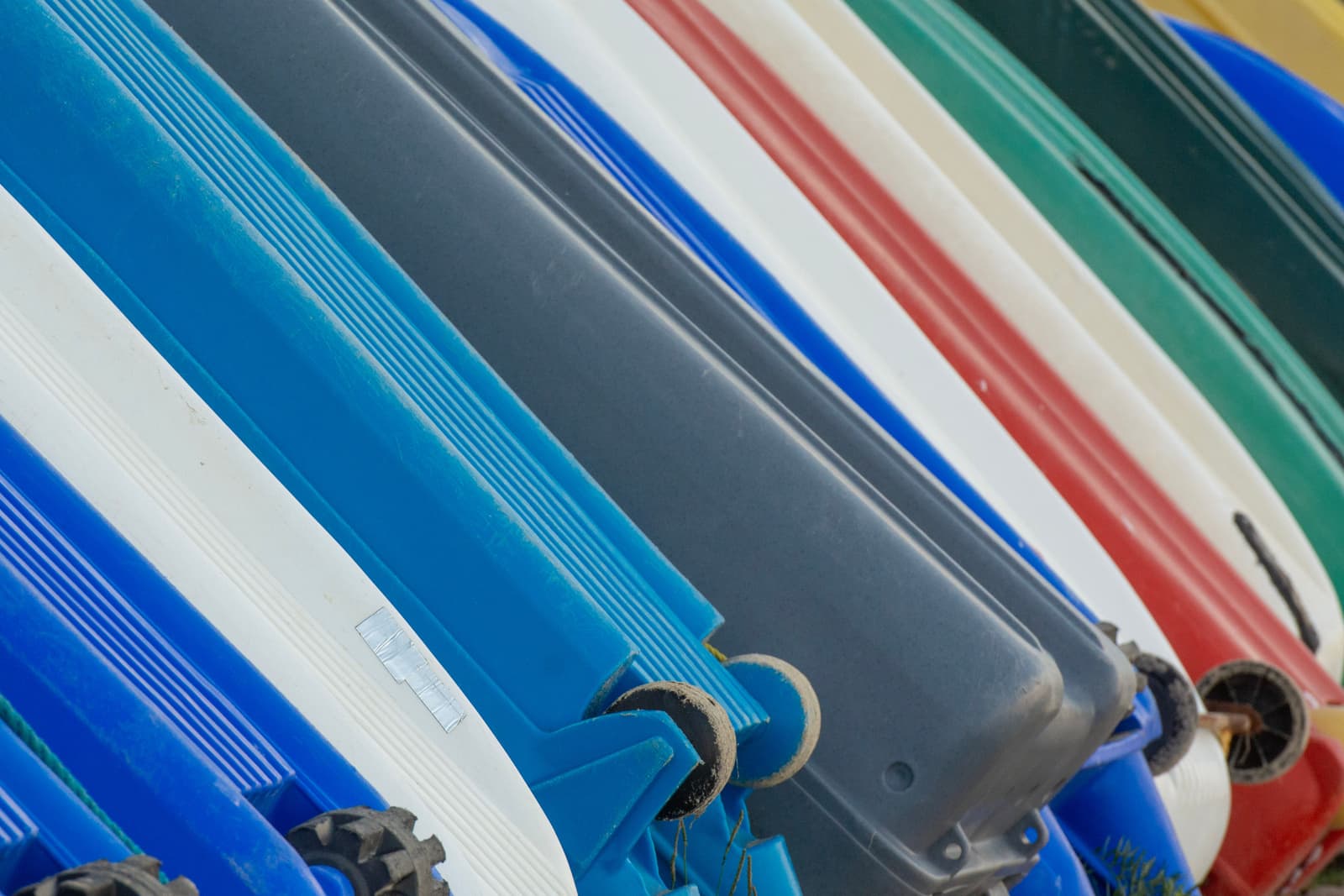
Kayak Hull Types: What Each Shape Does on the Water
Flat, shallow-V, rounded and pontoon hulls — what each shape actually does, and which one belongs under a beginner.
Top pick
Perception Tribe 11.5 Sit-on-Top Kayak
The all-round first sit-on-top
#ad · how this is funded · price as of November 25, 2026
Wilderness Systems Pungo 105: What the Specs Say
126 in of waterline, a 30 in beam, 47 lb and 300 lb rated — the numbers behind the boat people keep after their first season.
Top pick
Wilderness Systems Pungo 105 Recreational Kayak, 10 ft 6 in
The boat you keep after your first season
#ad · how this is funded · price as of November 25, 2026
Lightest to Carry
The Best Lightweight Kayaks
Ranked on published hull weight, because the carry is what decides whether a kayak leaves the garage. What each pound saved costs in capacity.
Top pick
Pelican Argo 100X Sit-In Kayak, 10 ft
The lightest sit-inside to carry alone
#ad · how this is funded · price as of November 25, 2026

Best First Kayak
The Best Kayaks for Beginners
Beginner kayaks ranked on width, carry weight and usable capacity — with the 65 percent arithmetic run on every one.
Top pick
Perception Tribe 11.5 Sit-on-Top Kayak
The all-round first sit-on-top
#ad · how this is funded · price as of November 25, 2026