Gear & Getting There
The Best Waterproof Phone Pouches (November 2026)
Three pages on this site already tell you to put your phone in a waterproof pouch. None of them has ever told you which one, and the thing that decides it is not the waterproof rating.
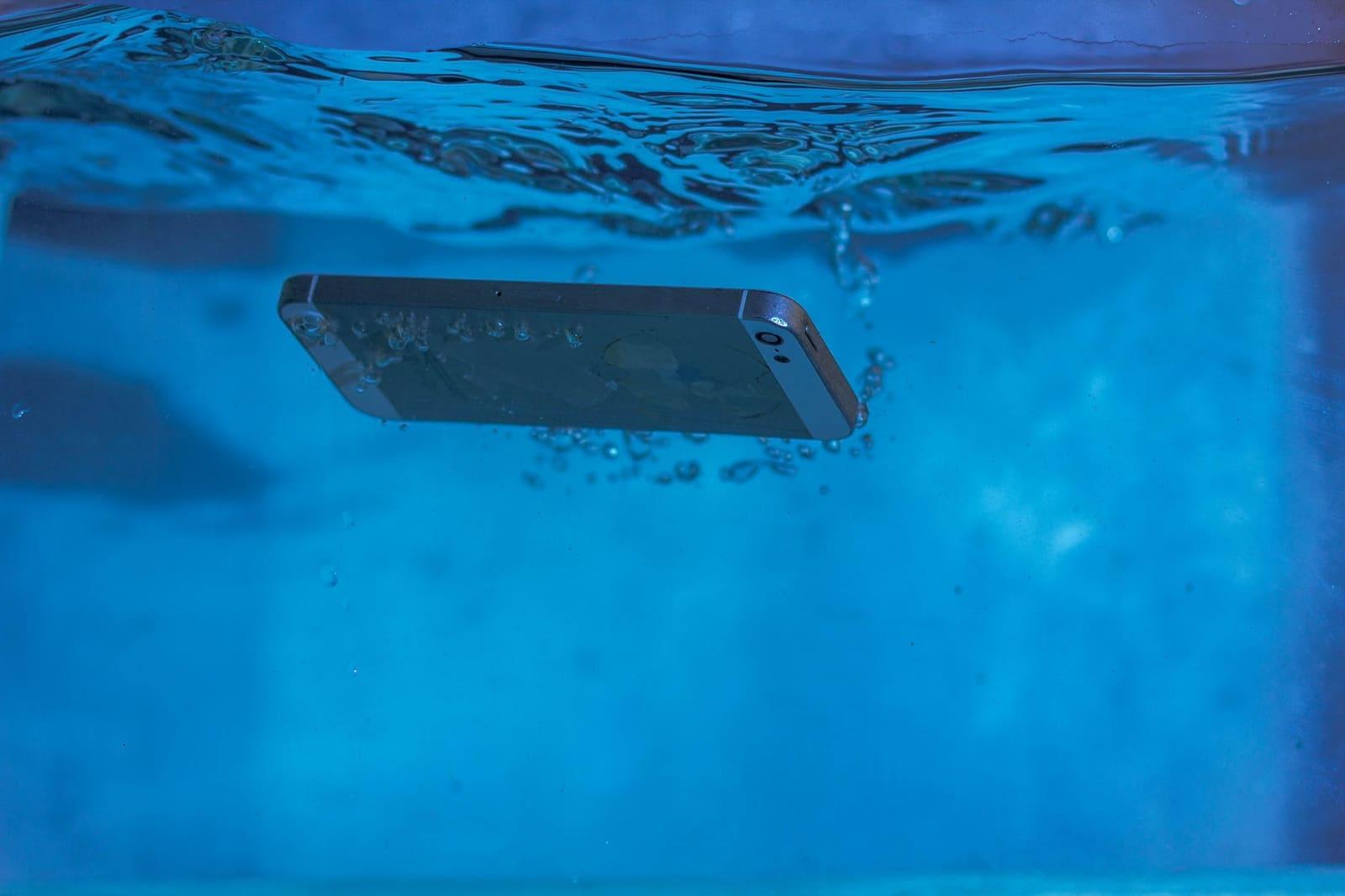
We have not paddled these, and we are not going to pretend we have. Here is what we did instead. Links to Amazon earn us a commission at no extra cost to you, and commission never decides a pick — how this site is funded.
| # | Product | Best for | The spec it turns on | Price |
|---|---|---|---|---|
| 1 | 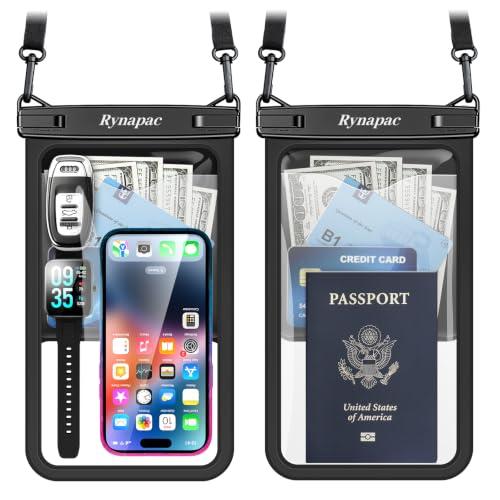 Rynapac Large Waterproof Phone Pouch, up to 10 in, 2-packTop pickThe one pouch here that publishes an actual interior dimension instead of claiming to fit all phones, and at 10 in it swallows anything with a screen. | A big phone, in a case, with a card behind it | IPX8 published rating, published interior fit up to 10 in, touchscreen, adjustable lanyard, two per pack | |
| 2 | 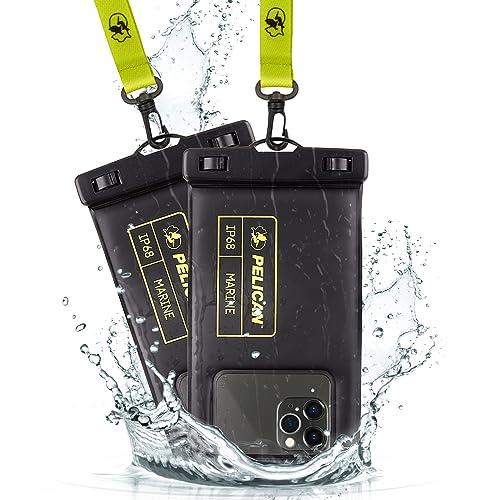 Pelican Marine Waterproof Phone Pouch, 2-pack, regularThe pouch from the maker already supplying the dry bag on this site, published at IP68 where the rest of this page publishes IPX8 -- two different labels, which is a reason to read the rest of the spec rather than the rating. | The one to buy if you only read one line of this page | IP68 published rating, floating, touchscreen-operable, detachable lanyard, published as fitting all phones, two per pack | |
| 3 | 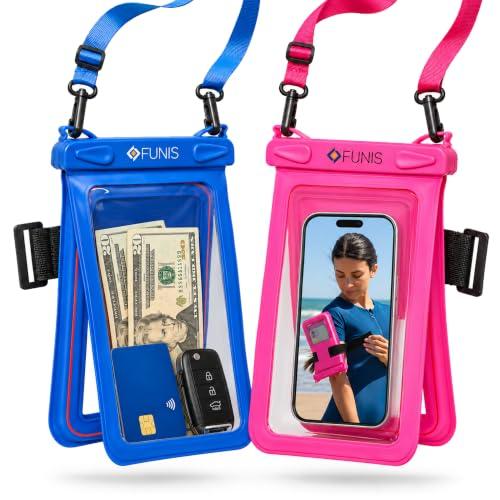 AQUAVAULT Floating Waterproof Phone Pouch, large, 2-packTwo compartments, which solves the problem every single-pocket pouch creates: a car key loose against a phone screen for three hours. | Keeping a key and a card separate from the phone | IPX8 published rating, floating, dual compartment, armband and lanyard both included, published as fitting large current phones, two per pack | |
| 4 | 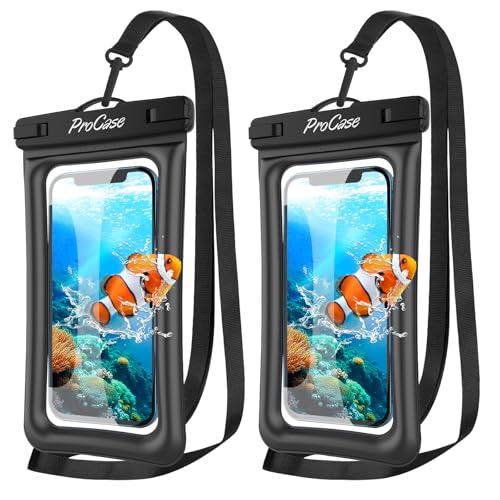 ProCase Floating Waterproof Phone Pouch, 2-pack, for 7 in phonesUnder ten dollars for two, which makes this the pouch to buy in quantity and leave in every bag, boat and glovebox you own. | Buying four and not caring where they end up | IPX8 published rating, floating, published interior fit for phones up to 7 in, touchscreen, two per pack | |
| 5 | 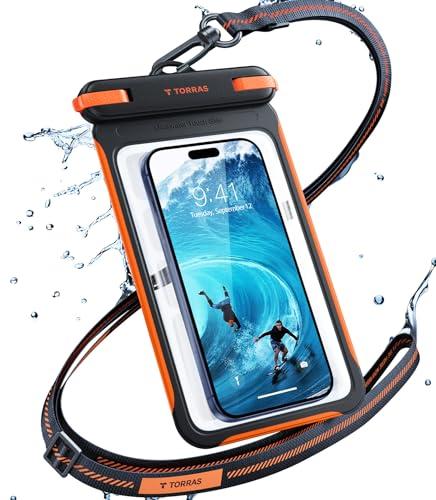 TORRAS Waterproof Phone Pouch, floating, 7.0 inThe pouch sold on its window rather than its seal, and if you intend to shoot from the water that is the specification that matters. | Actually taking photographs rather than just keeping the phone dry | IPX8 published rating, floating, published for underwater touch screen use, lanyard included, published 7.0 in fit |
Our first trip checklist says to bring a phone in a waterproof case. Dry bags and keeping things dry says a phone, a car key and a wallet belong in a small sealed pouch inside the dry bag rather than loose in it. Kayak accessories lists a phone pouch among the two cheap things nobody mentions. Three pages, one piece of advice, and nothing to buy at the end of it. This page fixes that.
It is also the cheapest page on this site. Everything here costs less than a tank of fuel, which changes how you should think about the purchase: a pouch is a consumable, not an investment. The window clouds, the seal stiffens, somebody loses one on a beach. Buy a two-pack, treat them as disposable, and replace them when the window gets scratched enough to ruin photographs.
The rating is the entry ticket, not the ranking
Four of the five pouches here publish IPX8 and one publishes IP68. Those are different labels, and this site is not going to rank one pouch above another on the strength of a code it cannot independently verify -- we have no way to test a seal and we are not going to pretend otherwise.
What we can say is that every pouch in this category keeps lake water out of a phone, and that the ones that fail do not fail because the rating was wrong. They fail because the seal was closed badly, because something hard was shut in with the phone, or because the pouch was three years old. Treat the rating as the entry ticket to the category and spend your attention on the three things below instead.
What actually decides which pouch to buy
- **Published interior size, measured against your phone with the case on.** This is the specification that makes or breaks the purchase and almost nothing in the category publishes it. A 6.9 in phone in a rugged case is well over 7 in overall, and a 7 in pouch will not take it.
- **Whether it floats.** A sealed pouch that sinks has protected your phone and then lost it in forty feet of water. Every pouch here floats and that is the minimum bar, not a feature.
- **Window quality, if you intend to take photographs.** They all let you tap and swipe. They differ a lot in how good the picture looks through them, and a thin or textured window turns every shot into a soft, flared mess.
- **Whether anything hard is going in with the phone.** A car key against a screen for three hours is a scratched screen. A second compartment is a cheap fix.
- **How it attaches.** A lanyard clipped inside a cockpit, or an armband on a paddle board. A pouch loose on a deck is a pouch in the water.
The five, side by side
| Pouch | Published rating | Published fit | Per pack | Notable |
|---|---|---|---|---|
| Rynapac large | IPX8 | Up to 10 in | 2 | Only published size over 7 in |
| Pelican marine | IP68 | 'Fits all phones' | 2 | Detachable lanyard |
| AquaVault large | IPX8 | Large current phones | 2 | Two compartments, armband |
| ProCase | IPX8 | Up to 7 in | 2 | Cheapest per pouch |
| TORRAS | IPX8 | 7.0 in | 1 | Sold on the window |
The fit column is the interesting one and it is why the Rynapac is the first pick rather than the Pelican. 'Fits all phones' is a claim rather than a dimension, in exactly the way that 'universal' is a claim on a scupper plug rather than a diameter. Up to 10 in is a measurement, and in a category where the single most common complaint is that the phone did not fit, a measurement wins.
Measure your phone before you order
This takes thirty seconds and it is the difference between a pouch that works and one that goes back. Measure the diagonal of your phone with its case fitted, not the screen size on the box. A 6.7 in screen on a phone in a chunky protective case is commonly around 7 in corner to corner overall, and that is exactly the figure at which the two 7 in pouches here stop working.
If you are at or near 7 in, buy the Rynapac and accept that the pouch will be baggy. Slack is a nuisance; a phone that does not fit is a return.
Closing one properly, which is how they actually fail
- **Check the gasket is clean and dry** before anything goes in. A grain of sand on the seal is the most common leak in the category.
- **Put the phone in screen-side toward the clear window,** and nothing else hard in with it.
- **Fold the top closure the full number of times the maker specifies,** then press both clips home until they click. Two folds where three are specified is not a seal.
- **Test it empty first, once.** Put a folded paper towel in, close it, hold it under water for a minute. If the towel is dry you have learned how to close that pouch; if it is wet you have learned it before your phone did.
- **Attach the lanyard to the boat or to you,** not to a deck bungee that you then forget about.
That fourth step is the one worth doing. It costs nothing, it takes a minute, and it is the only honest way to have confidence in a seal that neither you nor we can test to a standard.
What a pouch is not for
A pouch is for the phone you want in reach -- for the map, for a photograph, for the call you hope not to make. It is not a dry bag and it is not where anything irreplaceable goes. Our position on that has not changed and this page does not change it: a 20 litre roll-top dry bag carries the layer, the towel and the lunch, the pouch carries the phone, and the two do different jobs.
It is also not a substitute for telling somebody where you are going. A phone in a pouch on a lake with no signal is a camera. The first trip checklist covers what actually makes a first outing safe, and a float plan left with somebody on shore is worth more than any of it.
One more thing worth knowing before you rely on it: fingerprint sensors do not work through a pouch window, and face unlock through a wet, flexing window is unpredictable. Set a PIN you can type blind before you need it, because the moment you want the phone is not the moment to discover this.
What you can ignore while you shop
- **Depth ratings in meters.** You are on a lake, not diving. Any pouch here survives being dropped over the side and fished out.
- **'Underwater photography' as a headline,** unless you genuinely intend to shoot below the surface. Above the water the window matters; below it, light does.
- **Brand-name phone compatibility lists.** They are marketing. The interior dimension is the specification.
- **Armbands,** unless you paddle a board and like the phone off the deck. In a kayak a lanyard inside the cockpit is better.
- **Neck lanyards as a safety feature.** A cord round your neck in a capsize is the one attachment style we would not choose. Clip it to the boat or to a PFD.
The honest summary
This is a ten to twenty dollar purchase where the differences between products are small and the difference between having one and not having one is large. Buy the one that fits your phone, buy two of them, close them properly, and put nothing in them you could not replace. That is genuinely the whole of it.
Questions people actually ask
What is the best waterproof phone pouch for kayaking?
Do waterproof phone pouches actually work?
Will my phone fit in a waterproof pouch?
Does a waterproof phone pouch float?
Can you use a touchscreen through a waterproof pouch?
Should I use a pouch or a dry bag for my phone?
How long does a waterproof phone pouch last?
Is a waterproof case better than a pouch?
Where these numbers came from
Every figure on this page traces to one of these. Where a number could not be sourced, the page says so rather than estimating it.
- Rynapac Large Waterproof Phone Pouch, up to 10 in — manufacturer specification as published on the Amazon listing, read 2026-11-21
- Pelican 2-Pack Marine Waterproof Phone Pouch — manufacturer specification as published on the Amazon listing, read 2026-11-21
- AQUAVAULT Floating Waterproof Phone Pouch, large — manufacturer specification as published on the Amazon listing, read 2026-11-21
- ProCase 2-Pack Floating Waterproof Phone Pouch — manufacturer specification as published on the Amazon listing, read 2026-11-21
- TORRAS Waterproof Phone Pouch, floating, 7.0 in — manufacturer specification as published on the Amazon listing, read 2026-11-21
Read next

Best Dry Bag
Dry Bags and Keeping Things Dry
20 liters, roll-top, done. Why the size matters and why the number of folds does too.
Top pick
Pelican ExoDry 20L Dry Bag
Keeping the phone, keys and a dry layer dry
#ad · how this is funded · price as of November 24, 2026

The First Trip Checklist
A deliberately short packing list for a first outing, plus the two-minute check before you launch.
Top pick
Onyx MoveVent Dynamic Paddle Vest
The PFD you will actually keep on
#ad · how this is funded · price as of November 24, 2026
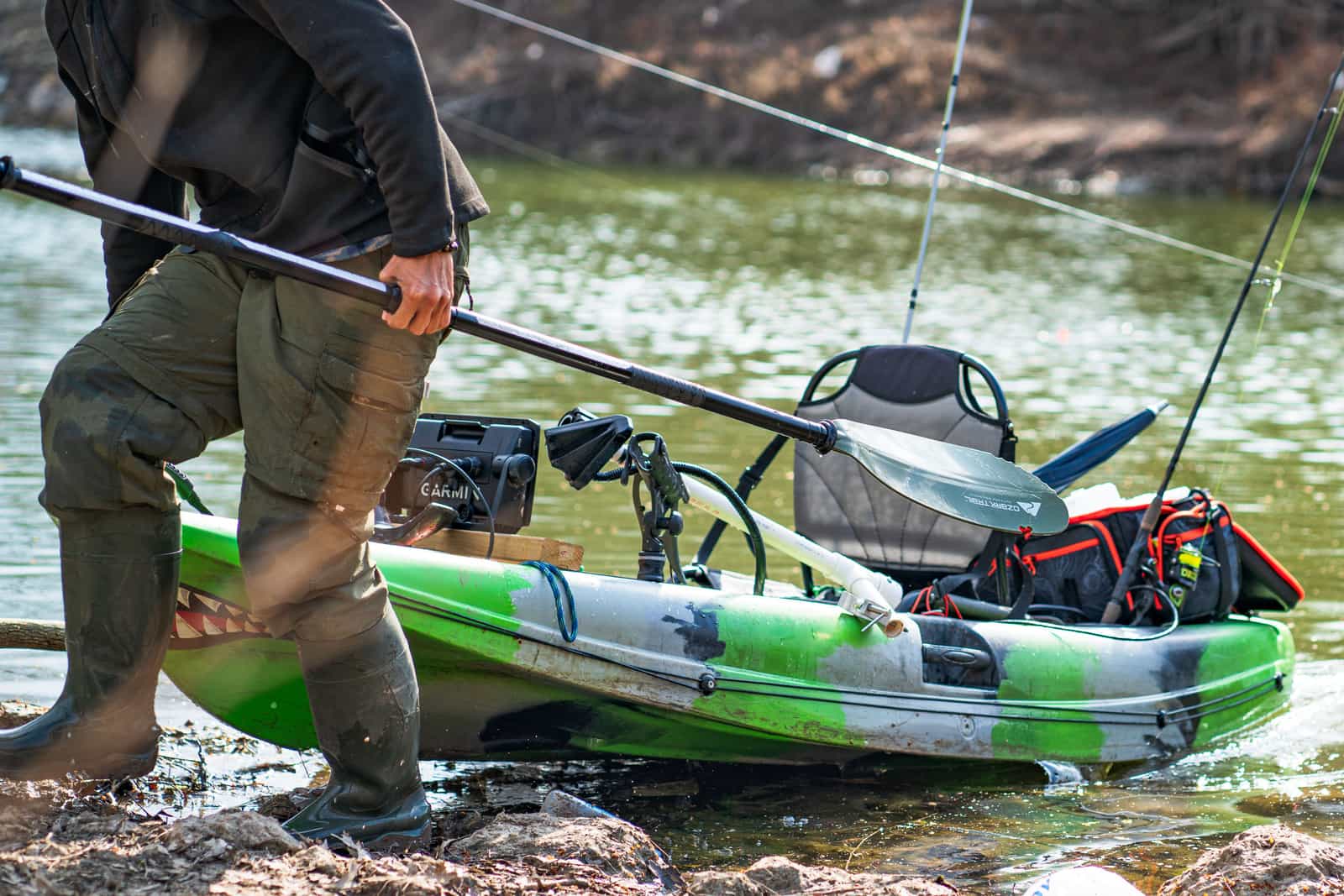
Best First Accessory
Kayak Accessories: What Actually Earns a Place
Five accessories that change every outing, ranked by how much they improve it per dollar — and the ones you can safely skip for a season.
Top pick
Bending Branches Whisper Kayak Paddle, 230 cm
The first paddle worth keeping
#ad · how this is funded · price as of November 24, 2026

Your First Time on the Water
What a first outing is actually like, the checklist that matters, and the three mistakes beginners reliably make.
Top pick
Onyx MoveVent Dynamic Paddle Vest
The PFD you will actually keep on
#ad · how this is funded · price as of November 24, 2026
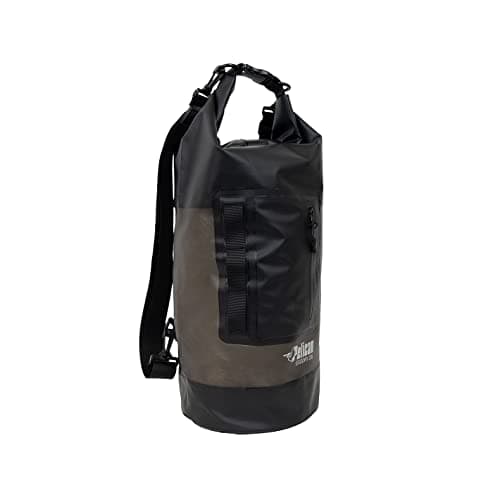
Pelican ExoDry 20L: The Size That Actually Holds a Day
20 L of 500D PVC with a roll-top, a translucent panel and removable shoulder straps. Pelican state it is not intended for submersion, which changes how you pack it.
Top pick
Pelican ExoDry 20L Dry Bag
Keeping the phone, keys and a dry layer dry
#ad · how this is funded · price as of November 24, 2026
Best SUP Leash
The Best Paddle Board Leashes
The water decides the leash: coiled for flat, straight for surf, quick-release for anything moving. Six picks, and the river rule that makes the choice a safety one.
Top pick
Dakine SUP Coiled Ankle Leash, 10 ft x 3/16 in
Flat water, and the default if you buy one leash
#ad · how this is funded · price as of November 24, 2026